

Category: Critical Conversations ← Back to categories

The Sacred As Bordering Practice, Part 1 (Anna-Maria Edlinger)
Part 1 theorizes the sacred as bordering practice, showing how ritual and discourse draw limits, authorize belonging, and organize contested social and
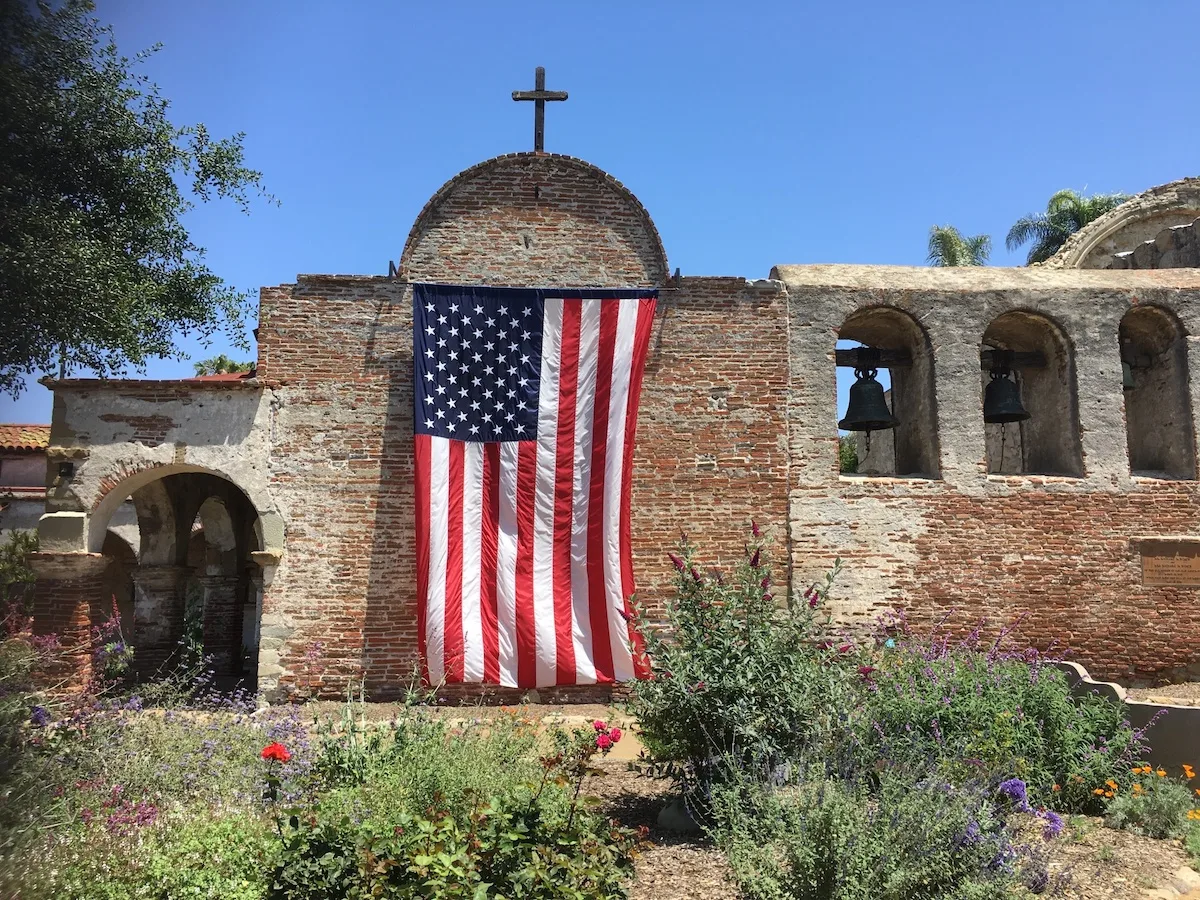
Evangelicalism, Pentecostalism, And The Quotidian Academic Terror Of “Christian Nationalism”
The following essay appeared recently in The New Polis. It is republished here because of its timeliness and importance. What exactly is Christian nationalism?
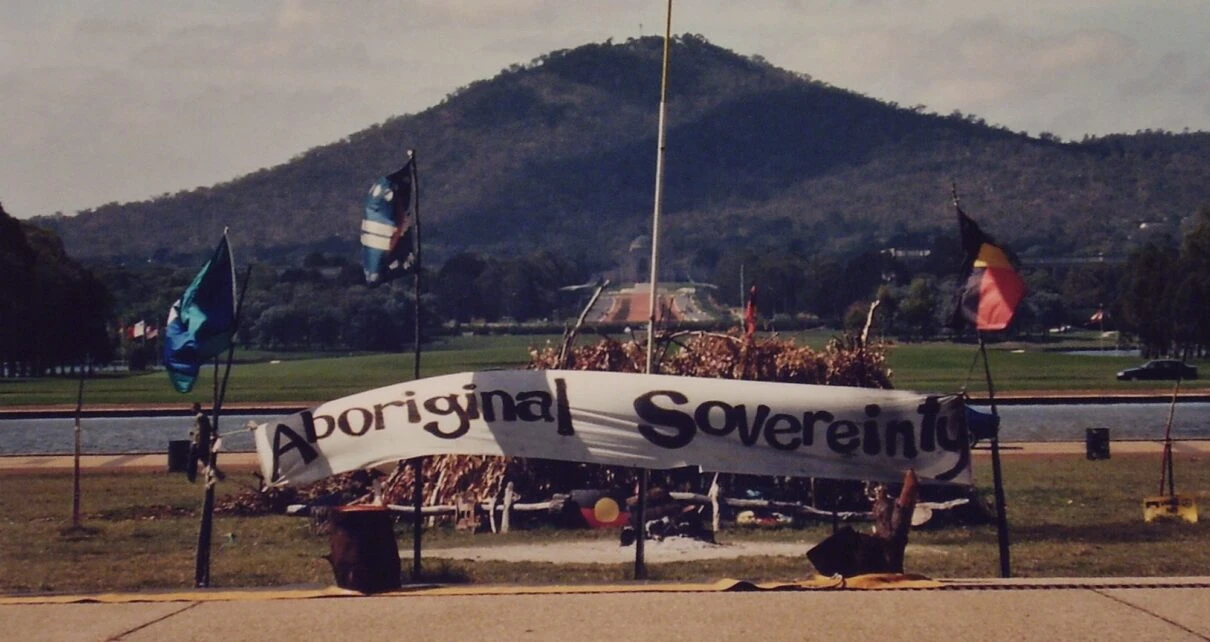
Critical Conversations – A Conversation With Arthur Bradley On Sovereignty, Part 2
The following is the second part of a transcript of one of our ongoing “Critical Conversations” with distinguished British political philosopher Arthur Bradley
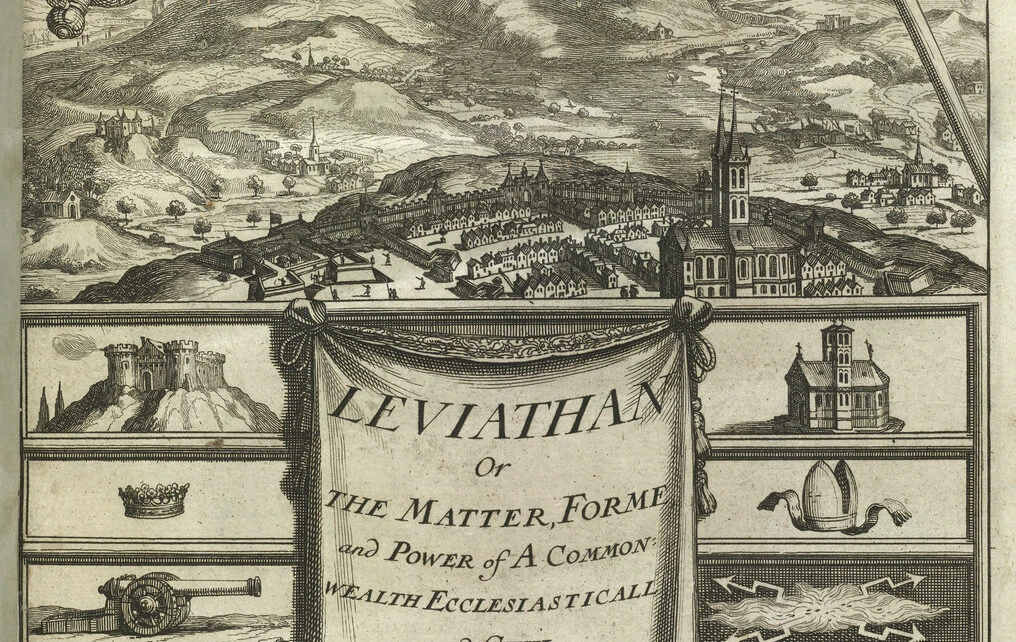
Critical Conversations – A Conversation With Arthur Bradley On Sovereignty, Part 1
The following is the first part of a transcript of one of our ongoing “Critical Conversations” with distinguished British political philosopher Arthur Bradley

Psychedelic Aesthetics And The Crises Of Liberalism – A “Critical Conversation” With Roger Green
The following Critical Conversation took place on February 17, 2022 with Roger Green, author of A Transatlantic Political Theology of Psychedelic Aesthetics:

The Fracturing Of World Order – A Series of International and Interdisciplinary Online Mini-Conferences, Call For Papers And Presentations (Announcement)
The Journal for Cultural and Religious Theory and The New Polis in collaboration with representatives of the University of Denver announces a call for papers
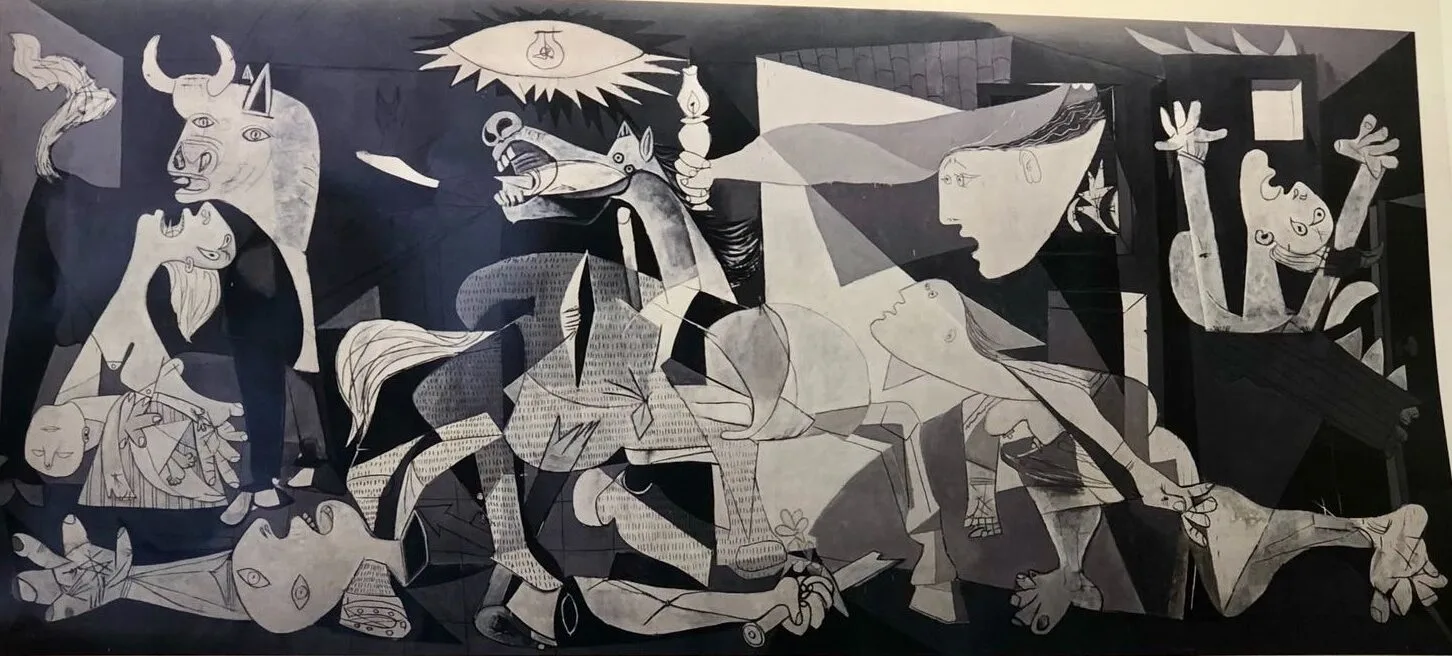
Critical Conversations – The Power Of “Political Erasure”, A Seminar With Arthur Bradley (Announcements)
Sign up for this online seminar with distinguished British political philosopher Arthur Bradley on the compelling and most timely issue of “political erasure.“

Locating The Oceanic In Sylvia Wynter’s “Demonic Ground”, Part 3 (Justine M. Bakker)
Part 3 concludes the series by synthesizing Wynter's oceanic analytics and drawing implications for contemporary religious theory, critique, and decolonial

Let’s Get Real About Race – Two Very Timely Upcoming Online Seminars (Announcement)
It’s time to get real when we talk these days about race and racism. Ever since the murder of George Floyd in Minneapolis in the late spring of 2020 at the

Difficult Discussions – Christian Evangelicalism And Critical Race Theory (Announcement)
When: Thursday, September 23, 2021, 10 am-12 pm (Mountain Daylight Time) Register for online seminar: It highlights key arguments and implications for

Economic Theology And The Indebtedness Of Everyday Life (Philip Goodchild And Devin Singh)
The following is the transcript of “Critical Conversations” No. 9, an ongoing series of Zoom seminars conducted by Whitestone Publications with distinguished
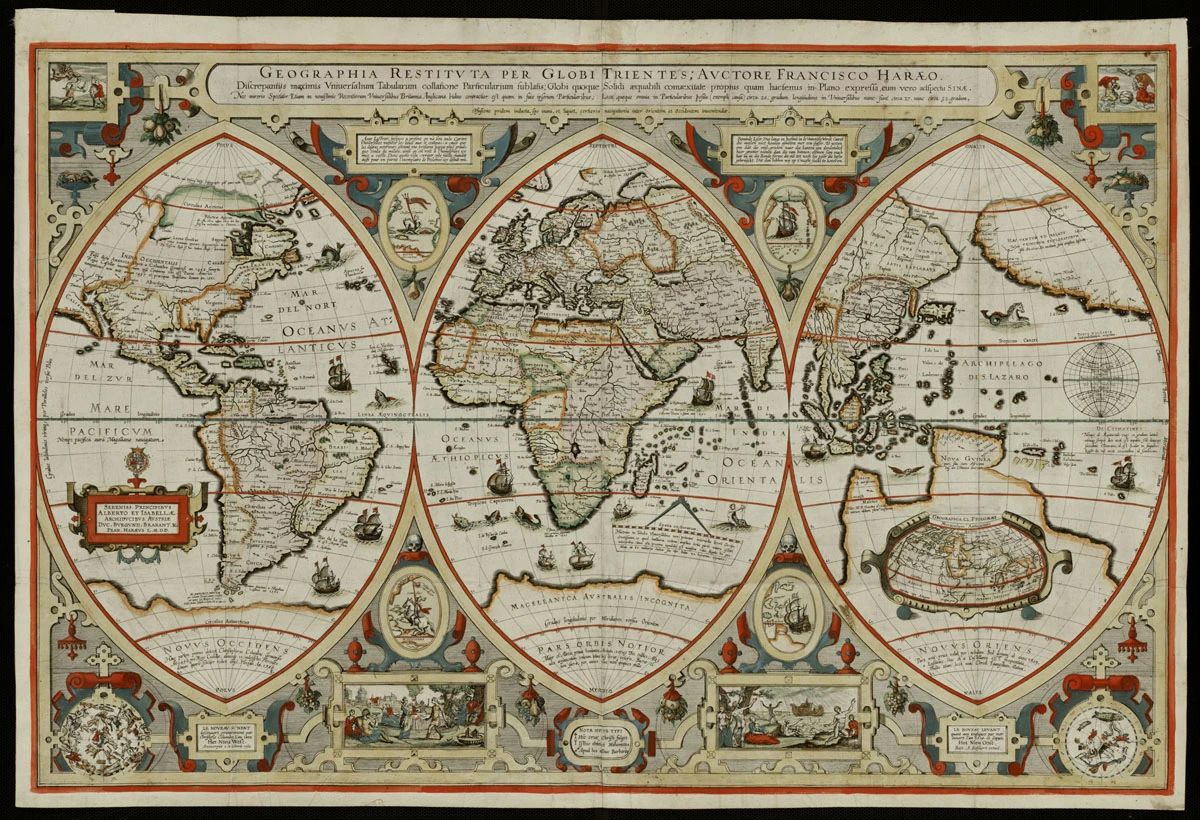
“The End Of Cognitive Empire” (Critical Conversations)
The following is the video and transcript of the first of “Critical Conversations”, a monthly Zoom seminar with advance registration sponsored by The New Polis
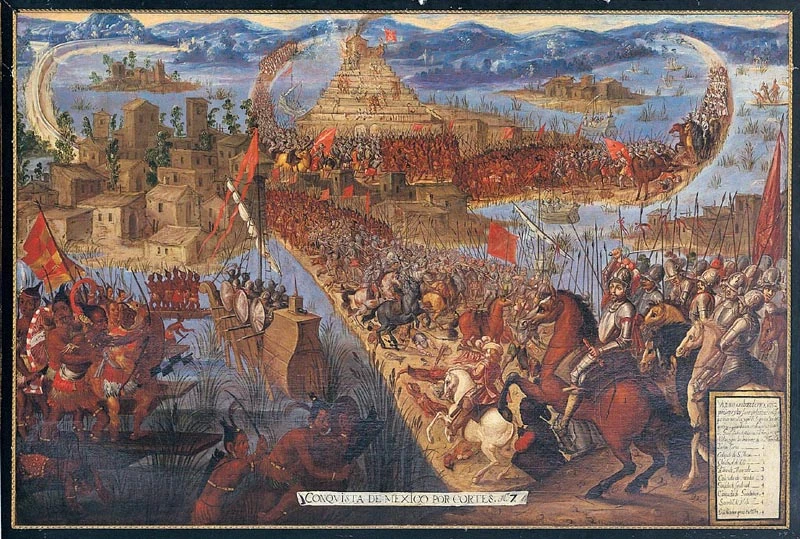
Critical Conversations – “The End Of Cognitive Empire” (Announcement)
“Critical Conversations” is an ongoing initiative of Whitestone Publications. The main sponsor of the current series is The New Polis It highlights key

Call for Contributors – The Dialectic of Divine Presence and Absence
Since the philosopher Nietzsche announced the “death of God” over a century ago, the specter of divine absence has hovered over Western civilization It

“Notations” – Call for Contributors
In addition to reviews and commentaries, the new JCRT feature “religious theory” ([jcrt.org](https://jcrt.org)/religioustheory), updated regularly, will publish...

Collective Desire and the Pathology of the Individual, Part 1 (Jodi Dean)
An interesting strand of contemporary theory designates the specificity of capitalism with the qualifier “cognitive.” I do not write under this term, although I

A Preface To The Genealogy of Neoliberalism, Part 2 (Carl Raschke)
The following is the second installment of a lecture delivered to the faculty and students of the Research Platform on Religion and Transformation from the

A Preface To The Genealogy of Neoliberalism, Part 1 (Carl Raschke)
The following is the first installment of a lecture delivered to the faculty and students of the Research Platform on Religion and Transformation from the
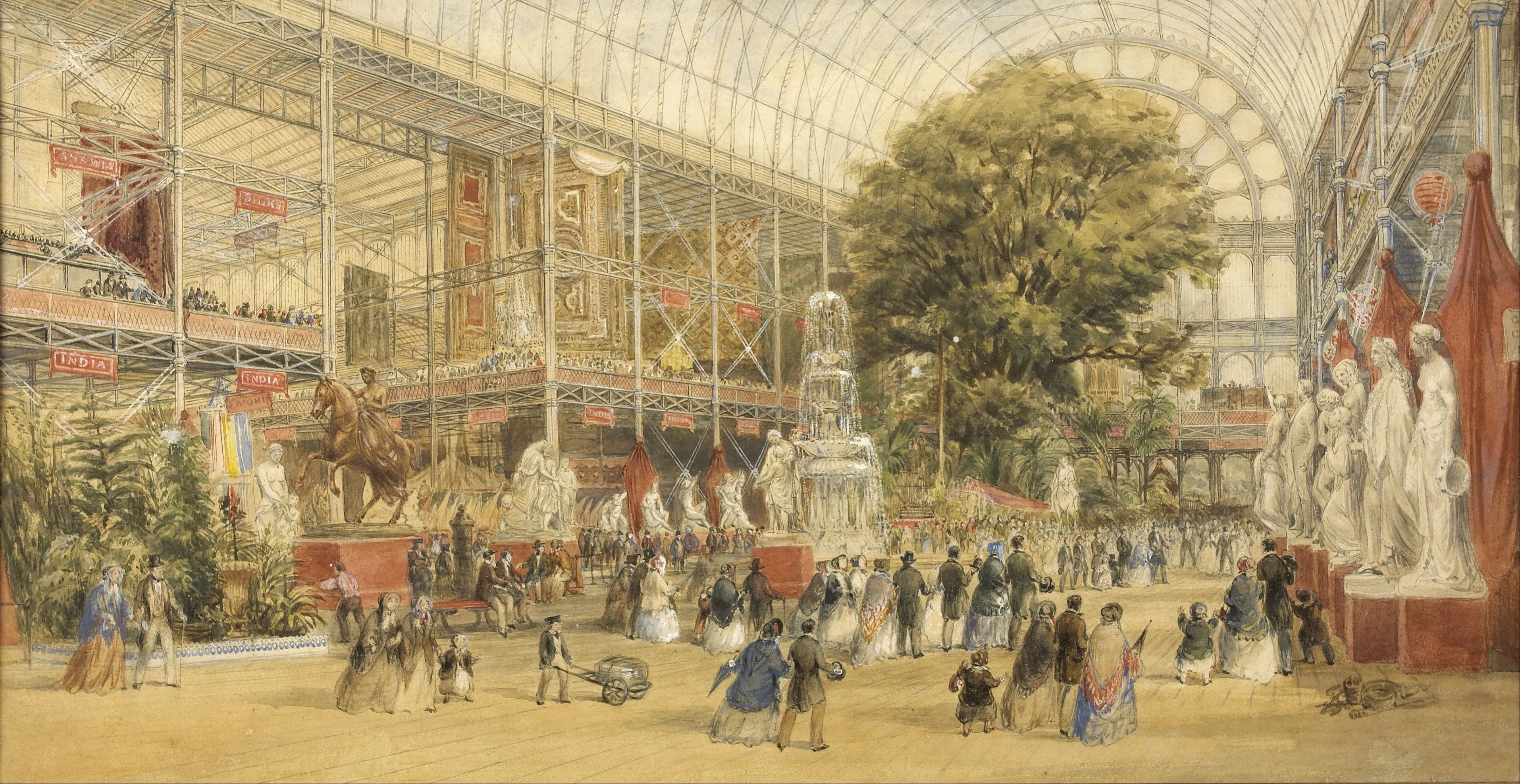
Benjamin’s Concept of History As A Source of Arendt’s Idea of Judgment – Part 2 (Ronald Beiner)
Part 2 extends the Benjamin-Arendt comparison by testing judgment against crisis and memory, clarifying how historical rupture reshapes political discernment

Force in Religious Thought – Carl Raschke and Victoria Kahn in Dialogue, Part 3 (Roger Green)
The following is the last of a three-part series. The first part was published on May 31, 2016. The second part was published on June 17 It highlights