

Category: Philosophy of Religion ← Back to categories

The Image of God and Our Vocation of the Soil, Part 2 (Mick Pope)
The article is published in two installments. The first can be found here. It is generally recognised that the Garden story is more environmentally friendly

What Exactly Is Postmodernism, And How Did It Change The Landscape Of Religious Studies?, Part 2 (Carl Raschke)
This article is published in two installments. The first can be found here. Taylor’s typification of postmodernism as Flatland, however, as the quintessential

What Exactly Is Postmodernism, And How Did It Change The Landscape Of Religious Studies?, Part 1 (Carl Raschke)
Almost a half century ago a change took place in the humanities, and by extension in the fledgling field of religious studies It highlights key arguments
The Imagination In Spinoza – The Moral Good Between Prophecy And The Amor Dei Intellectualis, Part 2 (Caterina De Gaetano)
The following is the second of a two-part series. The first can be found here. The entire article appears in Issue 22.1 of the Journal for Cultural and

The Imagination In Spinoza – The Moral Good Between Prophecy And The Amor Dei Intellectualis, Part 1 (Caterina De Gaetano)
The following is the first of a two-part series. The entire article appears in Issue 22.1 of the Journal for Cultural and Religious Theory It highlights
Hegel Contra God – Replying To Gavin Hyman’s “New Hegel”, Part 3 (Rebekah Howes)
The following is the last of a three-part series. The first can be found here, the second here. The earlier article by Prof The earlier article by Prof.
Hegel Contra God – Replying To Gavin Hyman’s “New Hegel”, Part 2 (Rebekah Howes)
The following is the second of a three-part series. The first can be found here. The earlier article by Prof. Hyman to which the author replies can be found
Hegel Contra God – Replying To Gavin Hyman’s “New Hegel”, Part 1 (Rebekah Howes)
The following is the first of a three-part series. The earlier article by Prof. Hyman to which the author replies can be found here It highlights key arguments
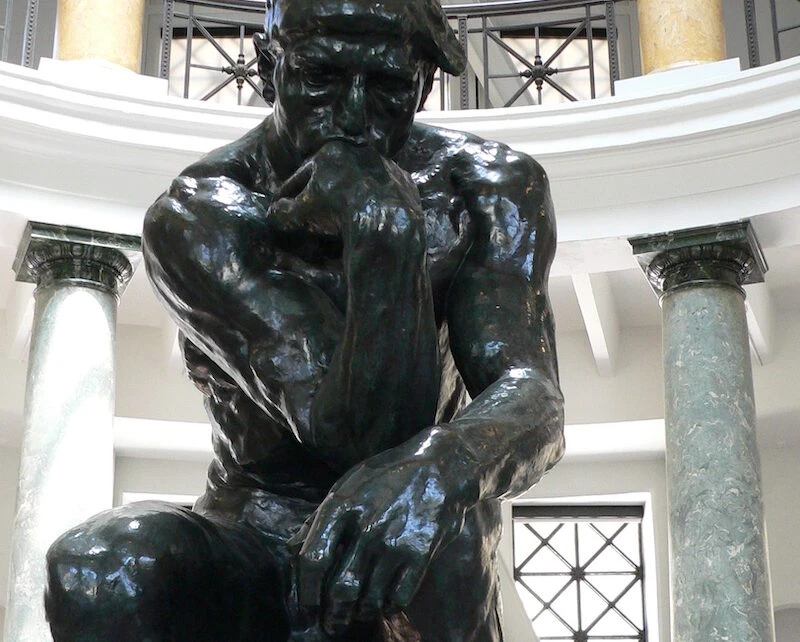
Philosophy As Love – Unblocking The Road From Athens To Jerusalem, Part 3 (Erik Meganck)
The following is the third of a three part-series. The first can be found here, the second here. Where planning fails, despair grows Planning is also faithless.

Philosophy As Love – Unblocking The Road From Athens To Jerusalem, Part 2 (Erik Meganck)
The following is the second of a three part-series. The first can be found here. Love is not the opposite of planning; openness is not the opposite of
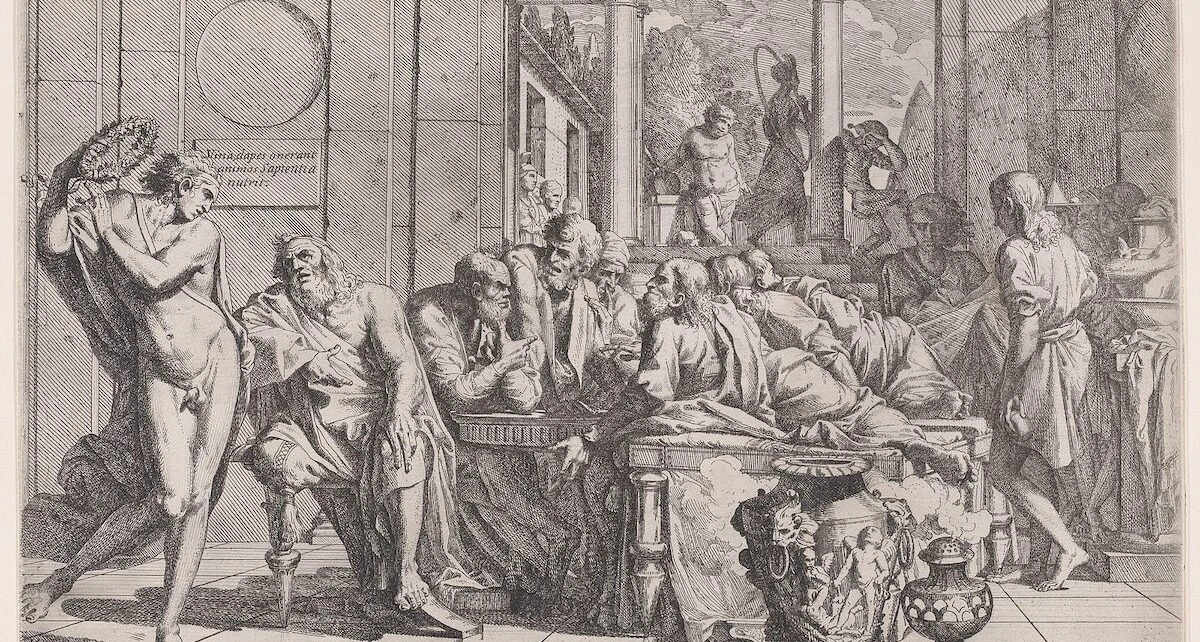
Philosophy As Love – Unblocking The Road From Athens To Jerusalem, Part 1 (Erik Meganck)
Philo-sophy literally means “love of wisdom.” But this can be read in more than one way. There is the well-known objective genitive, proposing that philosophers
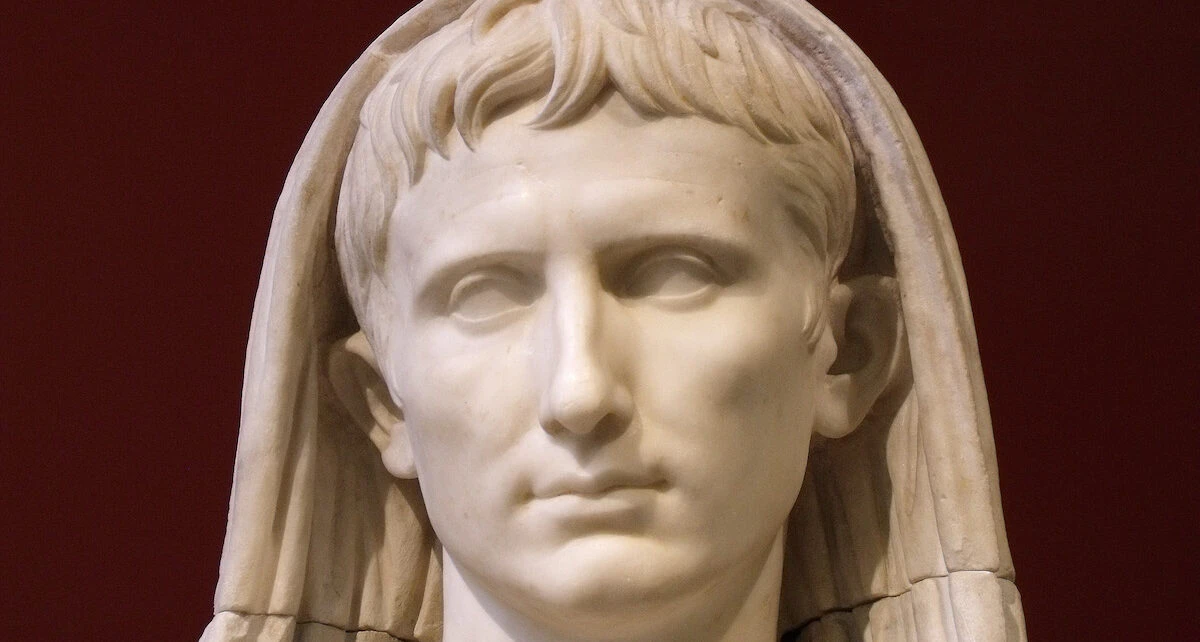
Religious Studies As The “State Religion” Of Neoliberalism, Part 1 (Carl Raschke)
> “Neptunus alii per alia, poterunt intellegi qui qualesque sint, quoque eos nomine consuetudo nuncupaverit, hoc eos et venerari et colere debemus.” – Cicero
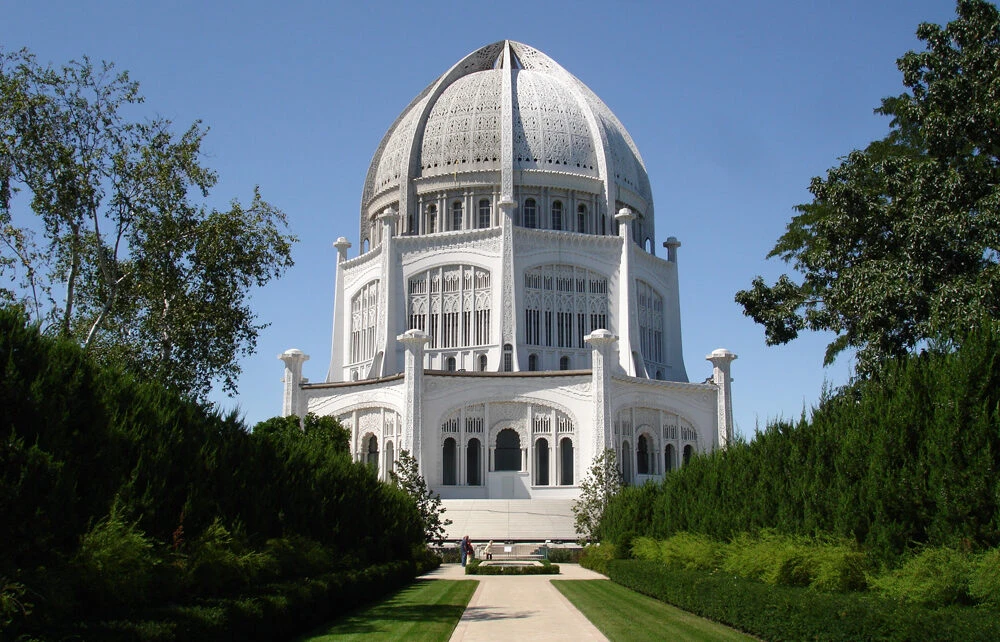
Orientalism, Ontology, And Orientation – A Muslim Perspective On Charles H. Long, Part 2 (Mehnaz Afridi)
The following is the second of a two-part series. The first can be found here. The full article is published in the spring 2022 issue of the Journal for

Orientalism, Ontology, And Orientation – A Muslim Perspective On Charles H. Long, Part 1 (Mehnaz Afridi)
The following is the first of a two-part series. The full article is published in the spring 2022 issue of the Journal for Cultural and Religious Theory
The Legacy Of Charles H. Long – Resisting and Short-Circuiting the Discourses Of Exclusion In The Theory And Practice Of Administration (Victor E. Taylor)
The following essay introduces the upcoming volume of the Journal for Cultural and Religious Theory featuring reflections on the work of renowned religious

From Holistic To In-Between Theology – The Ethiopian Evangelical Church Mekane Yesus, Part 1 (Rode Molla)
The Ethiopian Evangelical Church Mekane Yesus: Simultaneously Western and Indigenous Even though the Ethiopian Evangelical Church Mekane Yesus has a Lutheran

Geschlecht III – Authentic Faith, Religion, And Politics In Derrida’s Readings Of Heidegger’s “Geist”, Part 3 (Jake Sirota)
The following is the third of a three-part series. The first can be found here, the second here. Derrida’s suspicion of and discomfort with the seemingly
Geschlecht III – Authentic Faith, Religion, And Politics In Derrida’s Readings of Heidegger’s “Geist”, Part 2 (Jake Sirota)
The following is the second of a three-part series. The first can be found here. At this point Derrida’s appraisal of Heidegger’s Introduction to Metaphysics
Geschlecht III – Authentic Faith, Religion, And Politics In Derrida’s Readings of Heidegger’s “Geist”, Part 1 (Jake Sirota)
Jacques Derrida’s prolonged and intimate proximity to the thought of Martin Heidegger has played a significant role in the understanding and debate of Derrida’s

The Futurity Of God, Part 2 (Lenart Škof)
The following is the second of a two-part series. The first can be found here. In a chapter titled “The Magic of Being Mormon”, Stephen H It highlights
The Futurity Of God, Part 1 (Lenart Škof)
God, if we hold to this word, is the future itself, or rather the eternal reservoir beyond time and creating time, who constantly projects himself or pours

The Unbroken Middle: Overcoming The Empty Sacrifices Of Modernity With Gillian Rose And Paul, Part 2 (Michael C. Raubach)
The following is the second of a two-part series. The first can be found here Is it not true, though, that many individuals of different races, creeds, and

The Unbroken Middle: Overcoming The Empty Sacrifices Of Modernity With Gillian Rose And Paul, Part 1 (Michael C. Raubach)
In her 1992 masterpiece, The Broken Middle, the philosopher Gillian Rose explored what she saw as a baleful crisis of ethics in modern political discourse

Truth And Irony – Beyond Binary Patterns In Theological Reasoning, Part 1 (Florian Klug)
The following is the first of a three-part series. It will appear as a full article in the Fall 2021 issue of the Journal for Cultural and Religious Theory
“Scale Relative Ontology” And Simone Weil’s Spiritual Philosophy, Part 1 (N.E. Boulting)
Can the debilitating effects of Scientism – identifying knowledge solely “with science” – be overcome? To answer that question, Simone Weil’s treatment of her

Modern Theology And The Dialectic Of God, Part 3 (Kelly Maeshiro)
The following is the third of a four-part series. The first can be found here, the second here. Philosophically speaking, Hegel’s Absolute idealism represented

Modern Theology And The Dialectic Of God, Part 2 (Kelly Maeshiro)
The following is the second of a four-part series. The first can be found here. Kantian idealism for Hegel represents the “shape” of Spirit corresponding to

The Religious Significance Of Miracles – Why Hume’s Critique Is Superfluous, Part 3 (Alberto Urquidez)
Surprisingly few commentators have advanced this basic criticism against Hume’s argument. One glaring exception is the Wittgensteinian philosopher of religion
The Religious Significance Of Miracles – Why Hume’s Critique Is Superfluous, Part 2 (Alberto Urquidez)
The following is the second of a three-part series. The first can be found here. The question I shall now consider is this: If not all miracles are religious
The Religious Significance Of Miracles – Why Hume’s Critique Is Superfluous, Part 1 (Alberto Urquidez)
The argument from miracles seeks to prove that a religious deity (such as God) exists on the premise that only God could have caused a miracle to occur

Longing For An Impossible Past – Derrida’s Of Grammatology And The Coronavirus As The Inauguration Of An Age Of Writing, Part 2 (Jared Lacy)
The following is the second of a two-part series. The first can be found here. Furthermore there is an element of nostalgia implicit in this desire It

Longing For An Impossible Past – Derrida’s Of Grammatology And The Coronavirus As The Inauguration Of An Age Of Writing, Part 1 (Jared Lacy)
As we witness the aftermath of the initial responses to the ongoing COVID-19 pandemic — the failures and successes of the various shelter-in-place orders and a

Revolutionary Love – Kierkegaard’s Gift Economy As A Religious Corrective To The Leveling Of The Public Sphere, Part 2 (Andrew Ball)
The following is the second insatallment of a three-part series. The first can be found here. In his late authorship Kierkegaard articulates the social ontology
Revolutionary Love – Kierkegaard’s Gift Economy As A Religious Corrective To The Leveling Of The Public Sphere, Part 1 (Andrew Ball)
Though Kierkegaard is typically considered to be the consummate philosopher of the single individual, his critique of secular modernity and institutional
The Curious Whiteheadian Proclivity In Scheler’s Account Of God And Persons, Part 2 (J. Edward Hackett)
The following is the second installment of a two-part series. The first can be found here. Before talking about Scheler’s conception of the person It highlights
The Curious Whiteheadian Proclivity In Scheler’s Account Of God And Persons, Part 1 (J. Edward Hackett)
Before explicating the underlying structure of Scheler’s panentheism, I wanted to take some time and explain what Scheler’s phenomenological method entails and

Lacan And Pneumatology (Mark Murphy)
There has been much work on Lacan in describing his relationship to a Christological theology. We see this in work such as Žižek’s The Fragile Absolute and also

Horror Fiction And Catholic Theology – A Rhetorical Synthesis, Part 2 (Gavin Hurley)
The following is the second of a two-part-series. The first can be read here. What specifically sets horror apart from other genres such as fantasy and science

Horror Fiction And Catholic Theology – A Rhetorical Synthesis, Part 1 (Gavin Hurley)
Catholic horror—horror fiction that integrates Catholic perspectives into the fiction itself—is often be seen by Catholics to be incompatible with the mission
From The Gift Of Mortality To The Name Of God (Jakob Helmut Deibl)
The following is a continuation of a series of articles corresponding to chapters of the book Preis der Sterblichkeit: Christentum und Neuer Humanismus
The Irreducible (Jean-Luc Marion)
Of that which we cannot speak, must we remain silent? Probably—especially if we understand why we cannot say anything about it, and have good reason for not

The “New Hegel” And The Question Of God, Part 3 (Gavin Hyman)
The following is the last installment of a three-part series. The first one can be found here. The second one can be found here. As Thomas A As Thomas A.
The “New Hegel” And The Question Of God, Part 2 (Gavin Hyman)
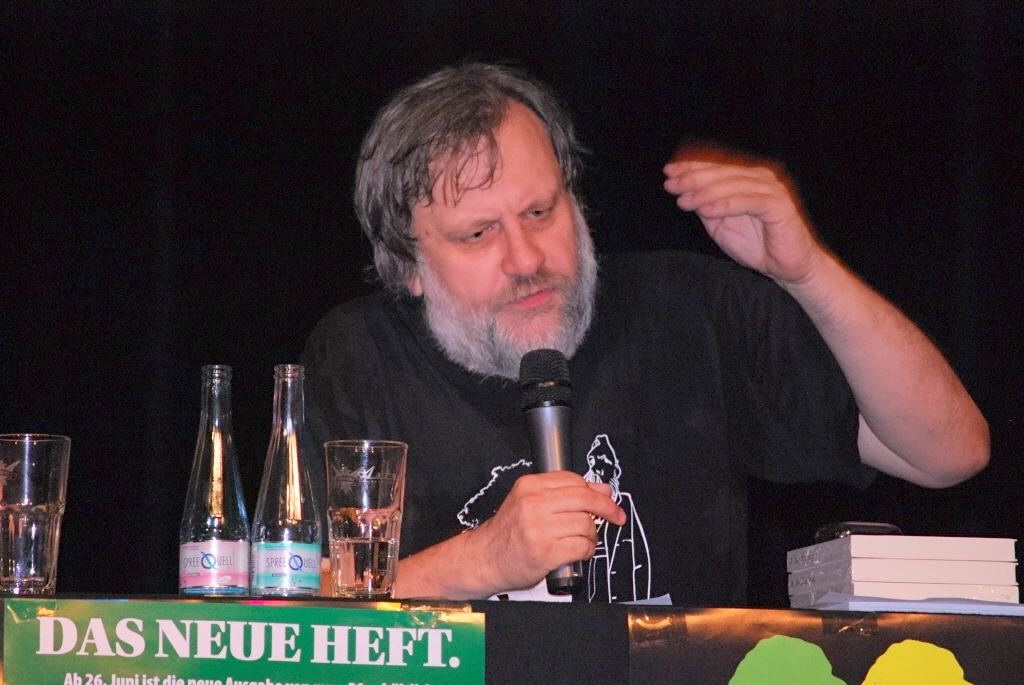
The following is the second installment of a three-part series. The first one can be found here. Slavoj Žižek’s return to God in the context of his wider return
The “New Hegel” And The Question Of God, Part 1 (Gavin Hyman)
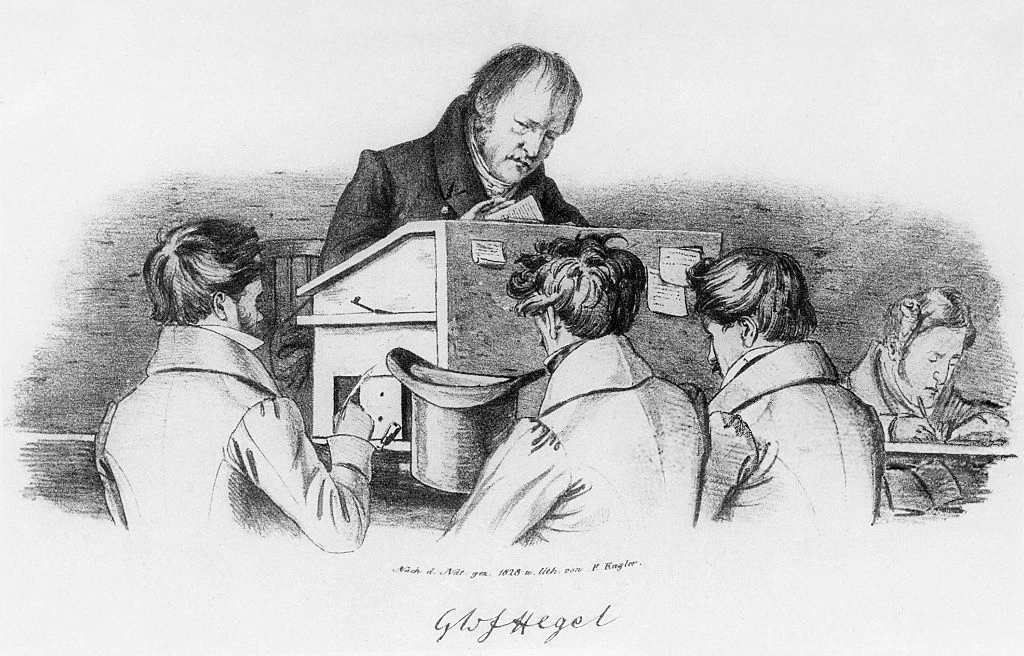
Among recent developments in continental philosophy and religious thought, one of the most prominent has been a ‘return to Hegel.’ It has been exemplified in

From Kant to Hölderlin – Poetry And Religion In The Wake Of Philosophical Aesthetics, Part 3 (Jakob Deibl)
The following is the second installment of a three-part series. The first one can be found here, the second one here. Translated by Philipp Schlögl It

From Kant to Hölderlin – Poetry And Religion In The Wake Of Philosophical Aesthetics, Part 2 (Jakob Deibl)
The following is the second installment of a three-part series. The first one can be found here. Translated by Philipp Schlögl Translated by Philipp Schlögl.
From Kant to Hölderlin – Poetry And Religion In The Wake Of Philosophical Aesthetics, Part 1 (Jakob Deibl)
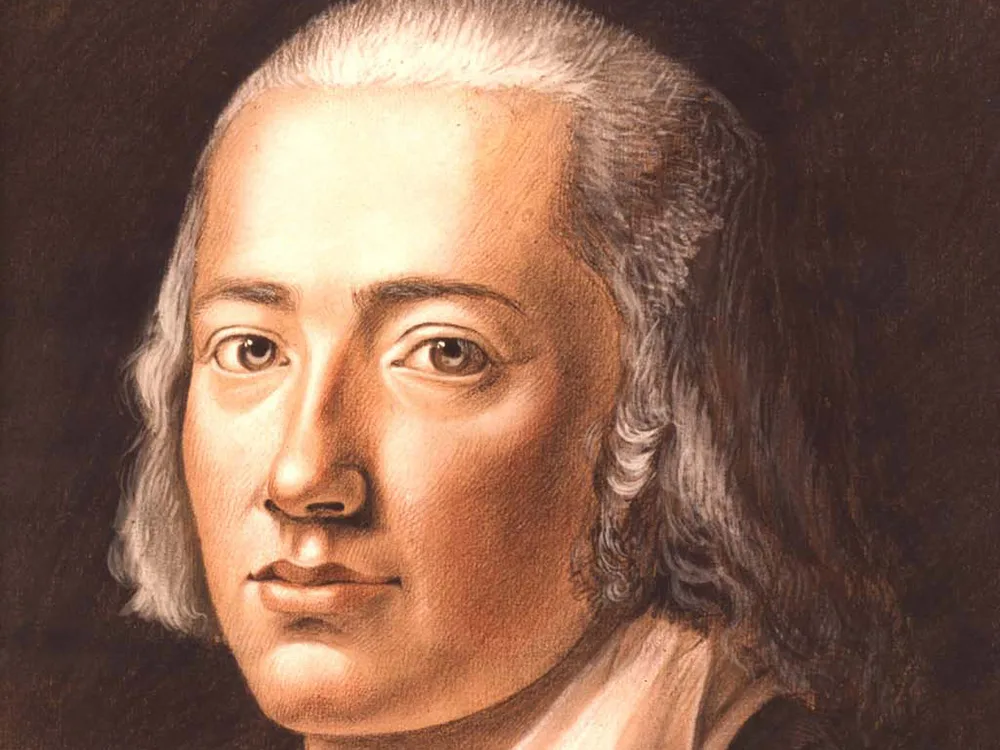
The following is the first installment of a three-part series. Translated by Philipp Schlögl. Friederich Hölderlin’s famous quote “Thus all Religion would be
God As Person and Trinity, Lecture 7 (Johannes Zachhuber)
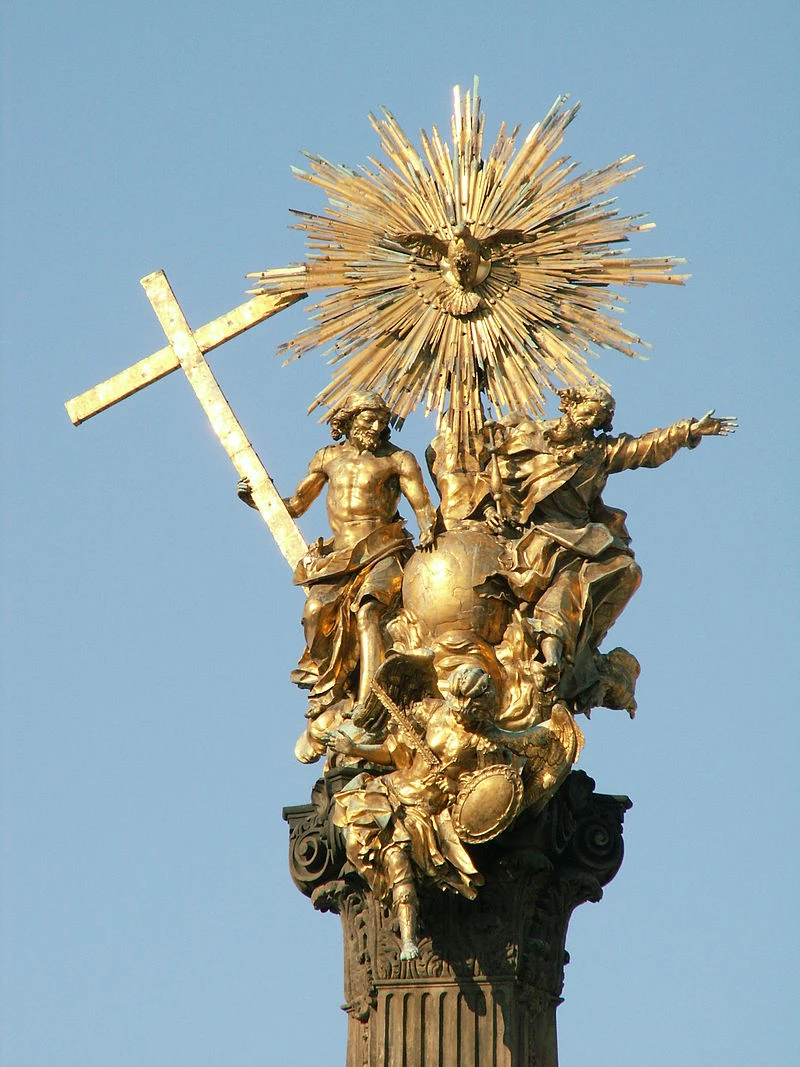
The following is the seventh lecture in an eight-lecture series. The most recent one can be found here. The possibility that God is person has often been
God And Language, Lecture 6 (Johannes Zachhuber)
The following is the sixth lecture in an eight-lecture series. The most recent one can be found here. I started the last couple of lectures with elaborate

Review – Performance Apophatics (John Matthew Allison)
*Claire Maria Chambers. Performance Studies and Negative Epistemology: Performance Apophatics. Palgrave Macmillan, 2017. Hardback Hardback. It highlights

God and History, Lecture 5 (Johannes Zachhuber)
The following is the fifth lecture in an eight-lecture series. The most recent one can be found here. The existentialist approach you heard about last week
Religion And Mental Health – The Therapuetic Value Of The Teachings of Jesus, Part 2 (Thomas Roberts and Delbert Hayden)
The following is the second part in a two-part installment. You can find the first part here. Maintaining a State of Hope and Taking a Transcendent Perspective
Religion And Mental Health – The Therapeutic Value Of The Teachings Of Jesus , Part 1 (Thomas Roberts And Delbert Hayden)
The following is the first part in a two-part installment. The second part can be found here. Author Note: The authors of this article take the position that

Towards A New Comparative Methodology In Religious Studies (Kara Roberts)
Author Note: The following was originally written as the introduction to a much longer comparative project between two religious myths Amy Balogh. It highlights

God And Existence, Lecture 4 (Johannes Zachhuber)
The following is the fourth lecture in an eight-part lecture series. Readers can also refer to lectures one, two, and three It highlights key arguments

Review – Neurotheological Nuances (Joshua Canzona)
Neurotheology: How Science Can Enlighten Us About Spirituality. Newberg, Andrew. New York: Columbia University Press, 2018. ISBN 9780231179041. Hardback

Lacan As “Spiritual Director” – On The Relationship Between Psychoanalysis And Christian Mysticism, Part 2 (Mark Murphy)
The following is the second installment of a three-part series. The first can be found here. What Does Lacan Mean When He Says That Spiritual Direction is a
Negative Theology And Its Problems: Barth And Marion, Lecture 3 (Johannes Zachhuber)
The following is the third lecture in an eight-lecture series. I have described in last week’s lecture how, during the 19th century, some serious challenges

The Dangers Of Dealing With Derrida – Revisiting the Caputo-Hägglund Debate On The “Religious” Reading Of Deconstruction, Part 3 (Neal DeRoo)
The following is the third installment of a three-part series. The first one can be found here, the second here. But one could embrace another prevalence for
The Dangers Of Dealing With Derrida – Revisiting the Caputo-Hägglund Debate On The “Religious” Reading Of Deconstruction, Part 2 (Neal DeRoo)
The following is the second installment of a three-part series. The first one can be found here. If deconstruction problematizes the idea of a ‘pure’ logical

The Dangers Of Dealing With Derrida – Revisiting the Caputo-Hägglund Debate On The “Religious” Reading Of Deconstruction, Part 1 (Neal DeRoo)
On the surface, the debate between John D. Caputo and Martin Hägglund in the Spring 2011 edition of The Journal of Cultural and Religious Theory seems to be a

The Critique Of Theism – Kant, Hegel, Feuerbach, Nietzsche, Lecture 2 (Johannes Zachhuber)
The following is the second lecture in an eight-lecture series. The first can be found here. I introduced these lectures last week by pointing out the unique
Thinking About God In A Pluralistic World – The Challenge of Modern Theology, Lecture 1 (Johannes Zachhuber)
The following is the first lecture in an eight lecture series. A couple of days ago, I read a column in a national newspaper whose title had a strange

Lutheran Theology and Postmodern Philosophy, Part II (Olli-Pekka Vaino)
The following is the second part in a two-part installment. The first part can be found here. Postmodern thinking is generally suspicious against It highlights
Lutheran Theology And Postmodern Philosophy, Part I (Olli-Pekka Vaino)
Recently, Martin Luther and the Lutheran Reformation has received heavy criticism in various theological and philosophical circles It highlights key arguments
Secularism And Its Discontents – On Charting Pathways With A Phenomenology Of Religion, Part 1 (Ludger Hagerdorn and Michael Staudigl)
*The following is the introductory article for the Spring 2018 issue (Vol. 17, No. 2) of the Journal for Cultural and Religious Theory It highlights key
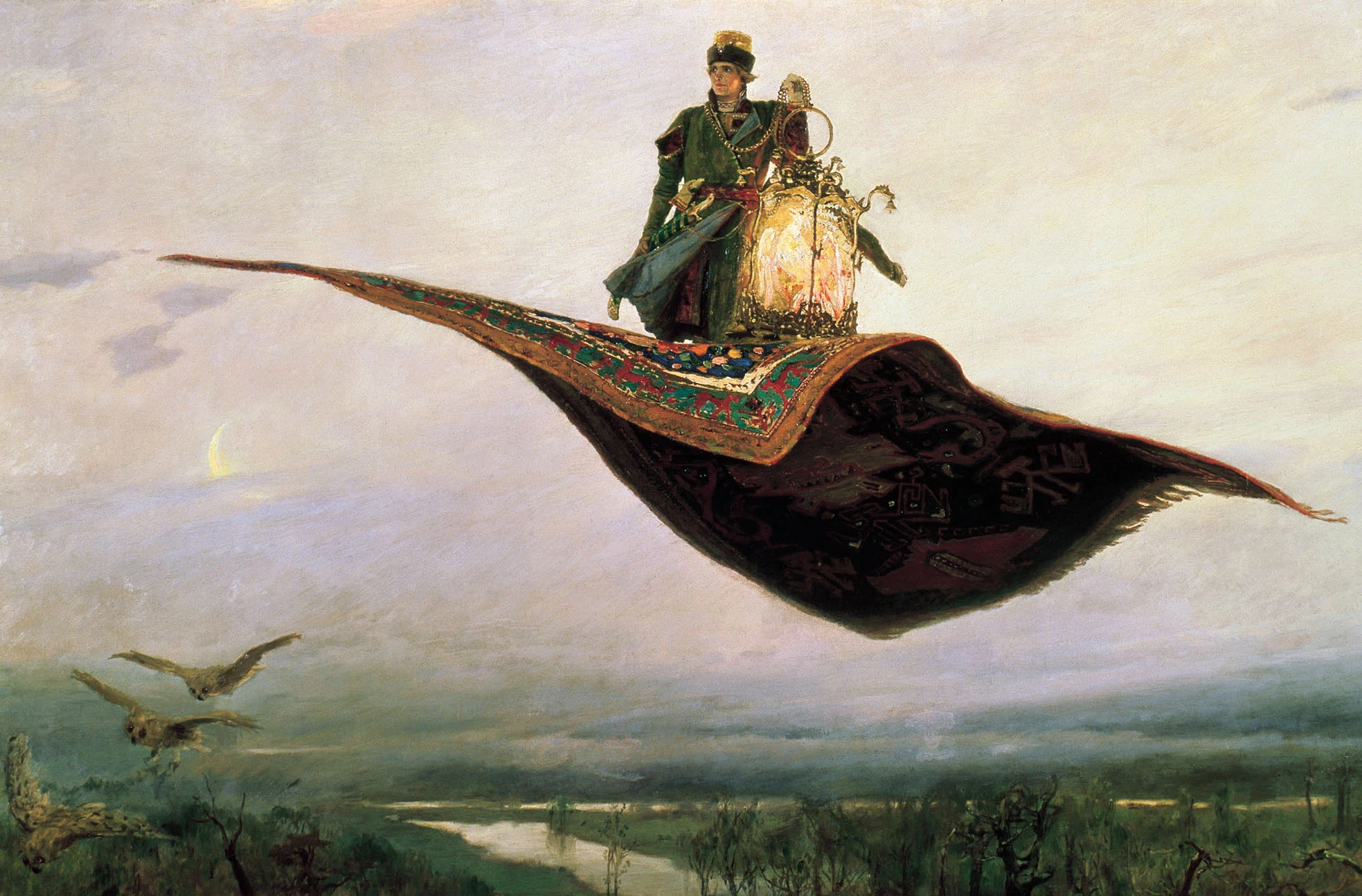
Review – The Ethics Of Time (Matthew Clemente)
The Ethics of Time. Manoussakis, John. New York: Bloomsbury Press, 2017. ISBN: 9781474299169. Hardback. 232 pages. John Manoussakis’s latest book, The Ethics of

Admitting A Certain Fear of Zizek’s Theology – A Modest Plea For A Deleuzian Reading Of The Death Of God (Elijah Prewitt-Davis)
I am told by Zizek—as well as Hegelian friends—that any attempt to argue or disagree with Hegel fits nicely within his dialectical scheme It highlights

The Vertical Form – The Iconological Dimension in 20th Century Russian Religious Aesthetics and Literary Criticism, Part II (Oleg Komkov)
The following is the second part in a two-part installment. The first part can be found here. II. “Absolute Symbolism” of Christian Worldview: The Aesthetic
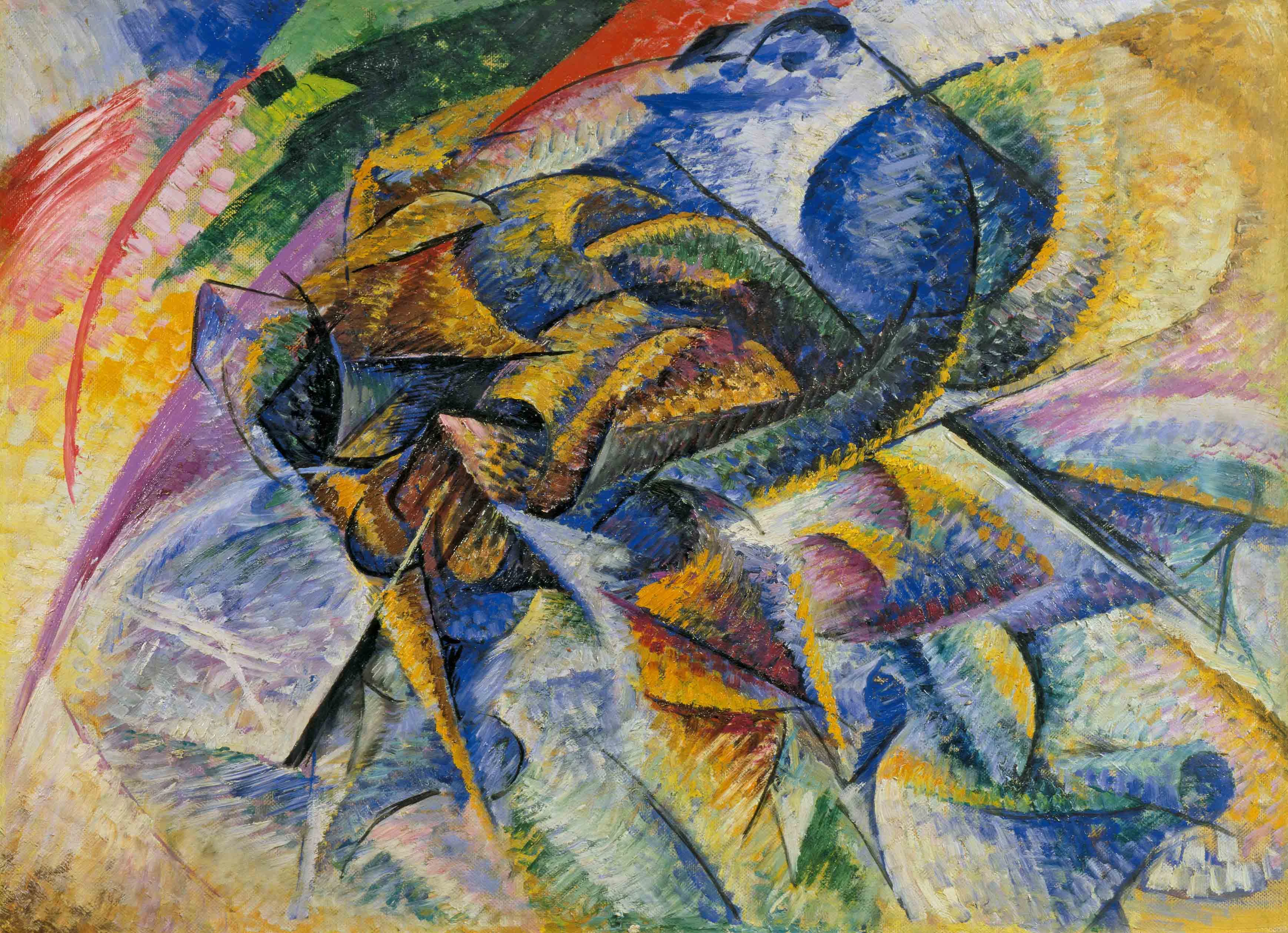
The Vertical Form – The Iconological Dimension in 20th Century Russian Religious Aesthetics and Literary Criticism, Part I (Oleg Komkov)
The following is the first part in a two-part installment. This article is an attempt to highlight and reflect on several interrelated issues that seem to be

Review – An Uncritical Critique of Theism (Rebekah Gordon)
Religion Within Reason. Cahn, Steven M. New York: Columbia University Press, 2017. ISBN: 9780231181617. Paperback. 93 pages.** It is amazing that a book of less
![Prayer After the Death of God, Part II (Ashley [Gay] Graham)](https://files.jcrt.org/images/2018/02/img_0502.webp)
Prayer After the Death of God, Part II (Ashley [Gay] Graham)
The following is the second part in a two-part installment. The first part can be found here. This abandonment is not a permanent void; rather, it demonstrates
![Prayer After The Death Of God, Part I (Ashley [Gay] Graham)](https://files.jcrt.org/images/2018/01/the-praying-jew.webp)
Prayer After The Death Of God, Part I (Ashley [Gay] Graham)
> Metaphysics is onto-theo-logy. Someone who has experienced theology in his own roots, both the theology of the Christian faith and that of philosophy, would
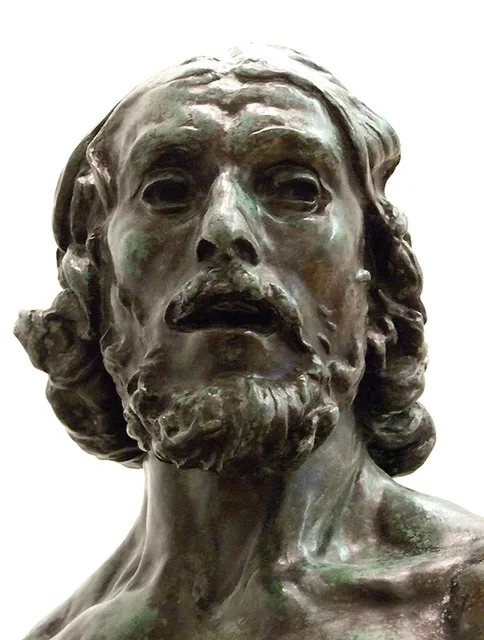
John the Possibilizer: The Promise of a Kearnian Baptismal Hermeneutic, Part II (Eric Trozzo)
The following is the second part in a two-part installment. The first part can be found here. In Kearnian terms, then, the John portrayed by Luke is one who has
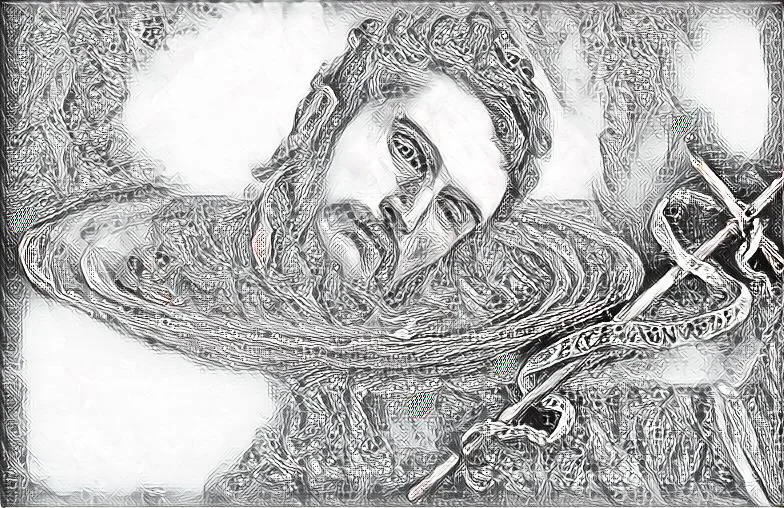
John the Possibilizer: The Promise of a Kearnian Baptismal Hermeneutic, Part I (Eric Trozzo)
The wild hair, the scratchy clothing, the grit and body odor, and the exotic diet. All of these images typically come to mind when one mentions John the
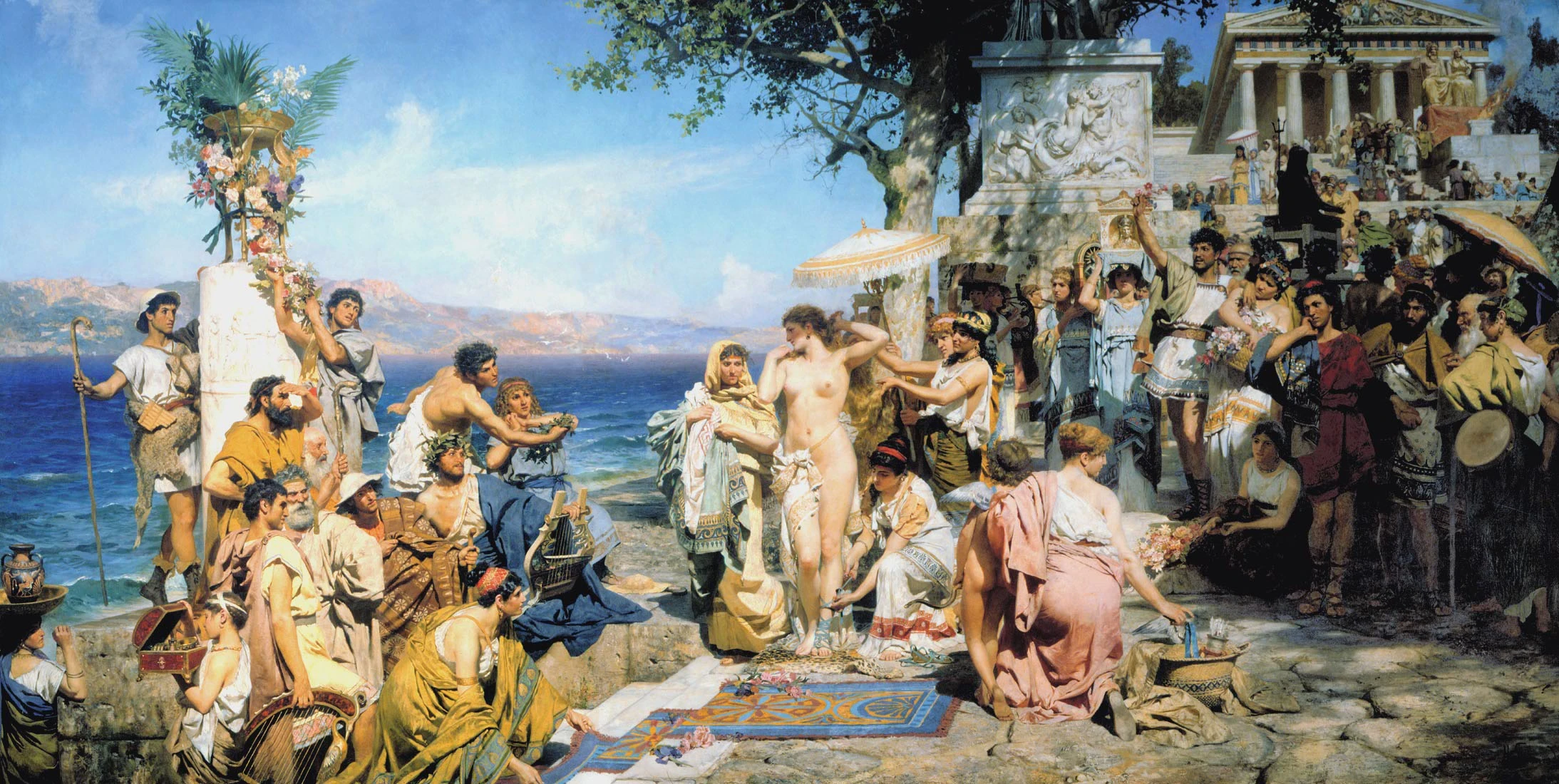
The Mythology of Afterlife Beliefs and Their Impact on Religious Conflict, Part 2 (Brigid Burke)
The following is the second installment of a two-part series. The first installment can be found here. Zoroastrianism is believed to be an outgrowth of an
Review – Reframing Schelling (Rolando Rodriguez)
Daniel Whistler, **Schelling’s Theory of Symbolic Language: Forming the System of Identity (Oxford, UK: Oxford University Press, 2013), 261 ppgs + xi**
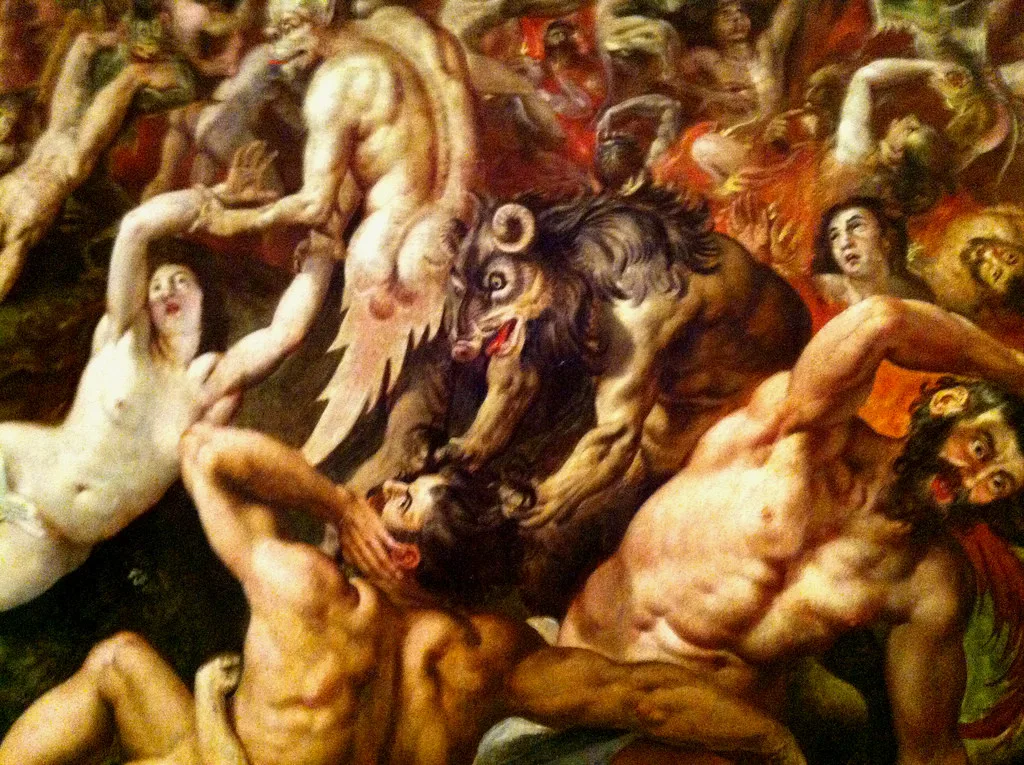
The Mythology of Afterlife Beliefs and Their Impact on Religious Conflict, Part 1 (Brigid Burke)
The question of whether there is life after death, and what that life might be like, is probably one of religion’s oldest questions It highlights key arguments

Slow Journalism? Ethnography as a Means of Understanding Religious Social Activism, Part 2 (James V. Spickard)
The following is a talk presented at the Weatherhead Center for International Affairs, Harvard University, and is the second installment of a two-part series

Slow Journalism? Ethnography As A Means Of Understanding Religious Social Activism, Part 1 (James V. Spickard)
The following is a talk presented at the Weatherhead Center for International Affairs, Harvard University, and is the first installment of a two-part series

Review – Caputo’s “Spooky” Call To Theology (Rob Kennedy)
*Caputo, John D., Moody, Sarah, and DeLay, Tad., It Spooks: Living In Response To An Unheard Call. Rapid City SD: Shelter50 Publishing Collective, 2015
The One Is Not – On the Fate Of Unity in Post-Metaphysical Philosophy (Jussi Backman)
*A Turkish translation of a version of this essay has been published as “Bir, bir şey değildir: post-metafizik düşüncede birlik ve çokluğun akıbeti,” trans
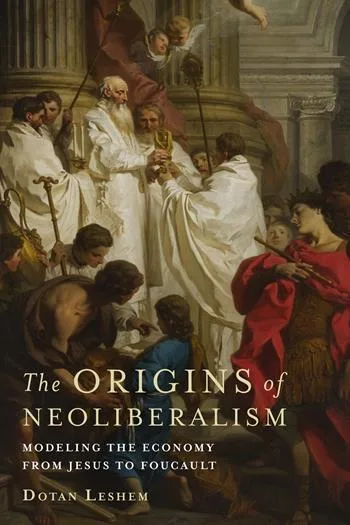
Review – The Origins of Neoliberalism: A Racialized Review (Adam F. Braun)
*Leshem, Dotan. The Origins of Neoliberalism: Modeling the Economy from Jesus to Foucault. New York: Columbia University Press, 2016. ISBN-10: 0231177763
Hegemony And Techno-Rationality – Toward An Aesthetic Soteriology (Mason Davis)
To speak of aesthetics is not simply to consign art to its effects on sensibility, but to open up the configurations of experience that create new modalities of
Untimely Meditations on Techno-Theology and Theo-Poetics, Part 1 (John Panteleimon Manoussakis)
The following is the first half of the article. The second installment can be found here. Philosophy’s very first utterance, according to Aristotle, present us
The Place Of Das Ding – Psychoanalysis, Phenomenology, Religion, Part 1 (John Panteleimon Manoussakis)
The following article is the first installment of a two-part series. The second installment can be found here. “One, two, three, but where is the fourth?”

Philosophy As Interdisciplinary Intensity – An Interview With Giorgio Agamben (Antonio Gnolio/Ido Govrin)
The following is an interview with the famed Continental philosopher Giorgio Agamben conducted by journalist Antonio Gnolio It highlights key arguments

Newest Titles For Review – Freud, Nussbaum, Angst, The Crucified God, Etc.
Religious Theory has just added new titles for which we are looking for reviewers (listed below). If you would like to review one of them, please send an email

Spinoza’s Theory of Religion – Stabilized Superstition (Ehud Benor)
The best interpretations of Spinoza’s philosophy would lead us to believe that, for Spinoza, religion is superstition. Henry Allison’s account is an excellent
Rethinking Anselm’s Atonement Theory – “Unmaking” The Indebted Man (Ryne Beddard)
Throughout Church history Christians have used various images and illustrations to explain why God became a human and died, and why these actions have been
The Semiotics of the Unconscious in Gilles Deleuze and Roland Barthes, Part 2 (Roger Green)
The following is the second of a two-part series. The first installment, published on Dec. 19, 2016, can be found here. In Writing Degree Zero, Barthes suggests

The Semiotics of the Unconscious in Gilles Deleuze and Roland Barthes, Part 1 (Roger Green)
In his preface to Deleuze and Guattari’s Anti-Oedipus, Michel Foucault asks the authors’ forgiveness for describing their book as the first book of ethics

Dreaming Innocence in America – Paul Tillich’s Radical Theology of Liberation, Part 3 (Alan Jay Richard)
The following is the final installment of a three-part series. The first installment can be accessed here. The second part can be found here It highlights

Dreaming Innocence in America – Paul Tillich’s Radical Theology of Liberation, Part 2 (Alan Jay Richard)
The following is the second installment of a multi-part series. The first installment can be accessed here. As Tillich argues in the second dissertation, Kant

Love, Psychoanalysis, and Leftist Political Ontology, Part 2 (Daniel Tutt)
The following is the second installment of a two-part article by Daniel Tutt entitled “Love, Psychoanalysis, and Leftist Political Ontology.” It has been
Love Strong as Death – Jews against Heidegger, On the Issue of Finitude – Part 2 (Agata Bielik-Robson)
The following is the second of a two-part series. The first segment was published on July 25, 2016 and can be accessed here It highlights key arguments
Love Strong as Death – Jews against Heidegger, On the Issue of Finitude – Part 1 (Agata Bielik-Robson)
This article is published in two parts. The second portion will appear on August 1. > I have set before you life and death: choose life. – Deuteronomy 30:19
Jesus’ Ghost – Derrida, Christianity, and “Hauntology” – Part 1
> Jesus, who was concerned till manhood with his own personal development, was free from the contagious sickness of his age and his people; free from the

Review – Carl Raschke’s Force of God Hammers Out A Political Theology Of Insurrection/Resurrection For Our Times
Raschke, Carl. Force of God: Political Theology and the Crisis of Liberal Democracy. New York: Columbia University Press, 2015. ISBN-978-0231-17384-1 It
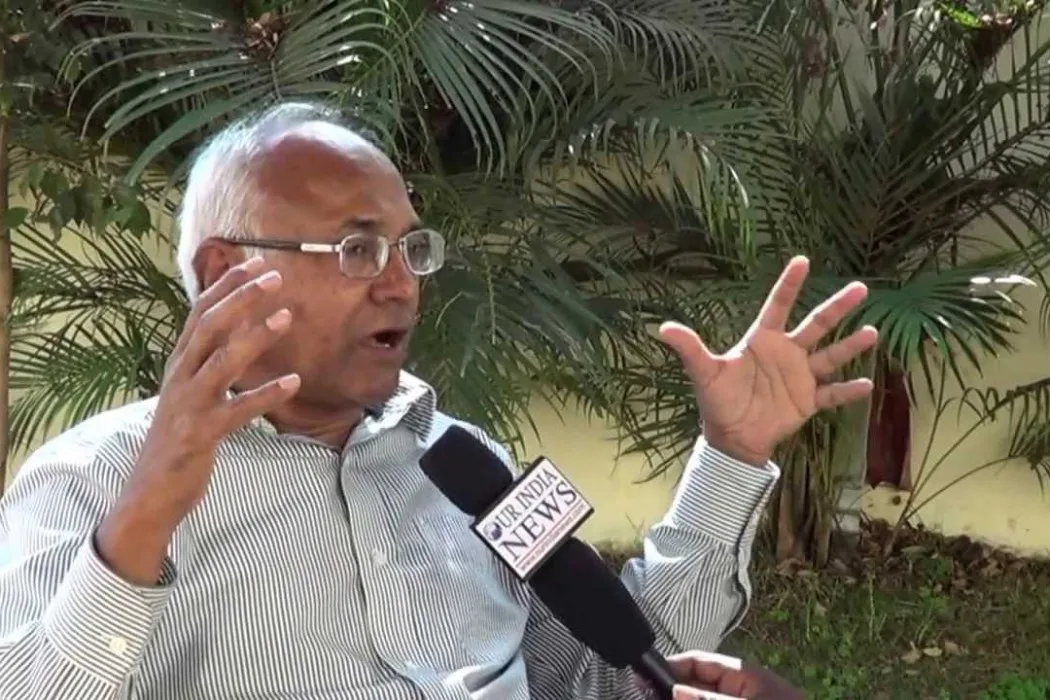
Renegade Hinduism Scholar Featured In Norton’s Anthology of World Religions
The just-released, multi-volume Norton Anthology of World Religions is a major project of substance undertaken by a group of world-renowned scholars in