

Category: Political Theology ← Back to categories
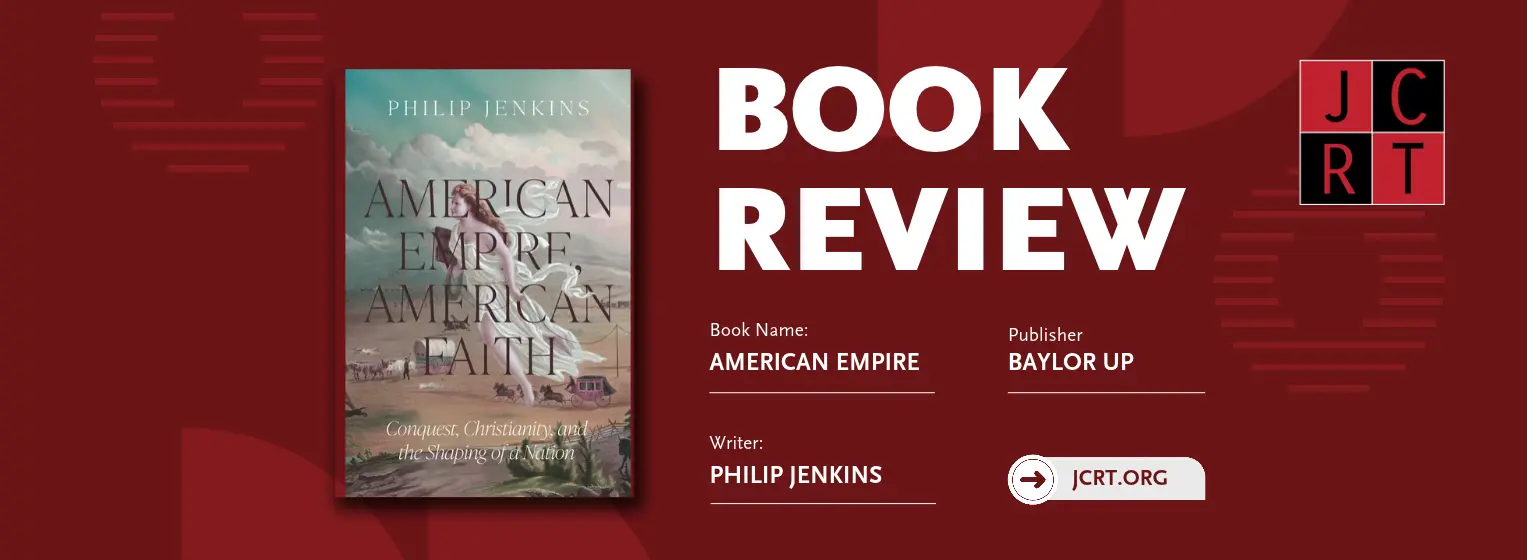
Book Review: American Empire, American Faith: Conquest, Christianity, and the Shaping of a Nation
Kev Grane reviews Philip Jenkins’s American Empire, American Faith, which reframes U.S. empire as a religious and moral order in which Christianity authorized,...
Religious Sacrificial Sympathy- How Man Became More Valuable Than Beast (Kev Grane)
The religious attitude of the West today demonstrates a consumerist ethos that would have been deeply foreign to the religious discourse of old It highlights

The Sacred As Bordering Practice, Part 2 (Anna-Maria Edlinger)
The following is the second of a two-part series. The first portion can be found here. It was originally published in issue 22.1 of the Journal for Cultural and

The Sacred As Bordering Practice, Part 1 (Anna-Maria Edlinger)
Part 1 theorizes the sacred as bordering practice, showing how ritual and discourse draw limits, authorize belonging, and organize contested social and
Evangelicalism, Pentecostalism, And The Quotidian Academic Terror Of “Christian Nationalism”
The following essay appeared recently in The New Polis. It is republished here because of its timeliness and importance. What exactly is Christian nationalism?
Critical Conversations – A Conversation With Arthur Bradley On Sovereignty, Part 2
The following is the second part of a transcript of one of our ongoing “Critical Conversations” with distinguished British political philosopher Arthur Bradley
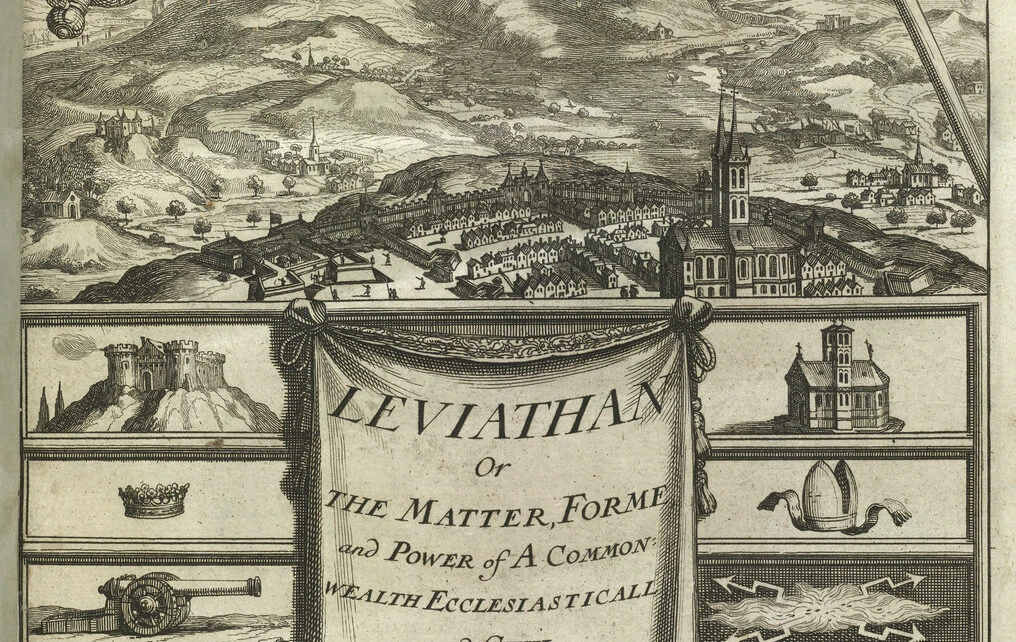
Critical Conversations – A Conversation With Arthur Bradley On Sovereignty, Part 1
The following is the first part of a transcript of one of our ongoing “Critical Conversations” with distinguished British political philosopher Arthur Bradley

Psychedelic Aesthetics And The Crises Of Liberalism – A “Critical Conversation” With Roger Green
The following Critical Conversation took place on February 17, 2022 with Roger Green, author of A Transatlantic Political Theology of Psychedelic Aesthetics:

The Fracturing Of World Order – A Series of International and Interdisciplinary Online Mini-Conferences, Call For Papers And Presentations (Announcement)
The Journal for Cultural and Religious Theory and The New Polis in collaboration with representatives of the University of Denver announces a call for papers
Critical Conversations – The Power Of “Political Erasure”, A Seminar With Arthur Bradley (Announcements)
Sign up for this online seminar with distinguished British political philosopher Arthur Bradley on the compelling and most timely issue of “political erasure.“

Let’s Get Real About Race – Two Very Timely Upcoming Online Seminars (Announcement)
It’s time to get real when we talk these days about race and racism. Ever since the murder of George Floyd in Minneapolis in the late spring of 2020 at the
Difficult Discussions – Christian Evangelicalism And Critical Race Theory (Announcement)
When: Thursday, September 23, 2021, 10 am-12 pm (Mountain Daylight Time) Register for online seminar: It highlights key arguments and implications for

Economic Theology And The Indebtedness Of Everyday Life (Philip Goodchild And Devin Singh)
The following is the transcript of “Critical Conversations” No. 9, an ongoing series of Zoom seminars conducted by Whitestone Publications with distinguished

Call For Presentations And Proposals – Decoloniality And Disintegration Of Western Cognitive Empire, Or Rethinking Sovereignty And Territoriality In The 21st Century (Announcement)
The New Polis in collaboration with the Journal for Cultural and Religious Theory (part of The Whitestone Foundation of publications) announces a webinar-based
Critical Conversations – “On Decoloniality” With Walter Mignolo (Announcement)
An earlier version of this posting had the date listed as “December,” which would imply the webinar had already occurred It highlights key arguments and
Critical Conversations – 2020 And The Catastrophe Of The Global Neoliberal Order (Announcement)
Participants are invited to join us live in the fourth of a monthly series of “Critical Conversations” (Zoom webinars) with eminent scholars from around the
“The End Of Cognitive Empire” (Critical Conversations)
The following is the video and transcript of the first of “Critical Conversations”, a monthly Zoom seminar with advance registration sponsored by The New Polis
“Naming The Darkness,” Spiritual Violence, And Radical Incompleteness – Resituating A Political Theology, Part 2 (James E. Willis, III)
The following is the second of a two-part series. The first can be found here. A philosophy of finite human time is one way to read Martin Hägglund’s recent
“Naming The Darkness,” Spiritual Violence, And Radical Incompleteness – Resituating A Political Theology, Part 1 (James E. Willis, III)
The Death of God theological movement of the mid-twentieth century serves as a productive starting place to consider spiritual violence in our time, or the
To Not Lose Sight Of The Good – Notes On The Zapatismo Ethic, Part 2 (Matt Rosen)
The following is the second of a two-part series. The first can be found here. The recasting of the field of three against the field of two, which is the field
To Not Lose Sight Of The Good – Notes On The Zapatismo Ethic, Part 1 (Matt Rosen)
On the first of January 1994, as the North American Free Trade Agreement (NAFTA) went into effect, the Ejército Zapatista de Liberación Nacional (Zapatista Army
Call For Papers – Special Issue On Walter Benjamin And Religion
What does Walter Benjamin’s work suggest about religion and the methods of studying it? This special issue of The Journal for Cultural and Religious Studies

Transmodern Sufism, Or Stepping With Levinas On The Footprints Of A Speculative Sufism Not Re-Framed By 20th Century Orientalists, Part 2 (Philipp Valentini)
The following is the second installment of a three-part series. The first can be found here. A non-Paulinian theology understands the Law not as a whole but as
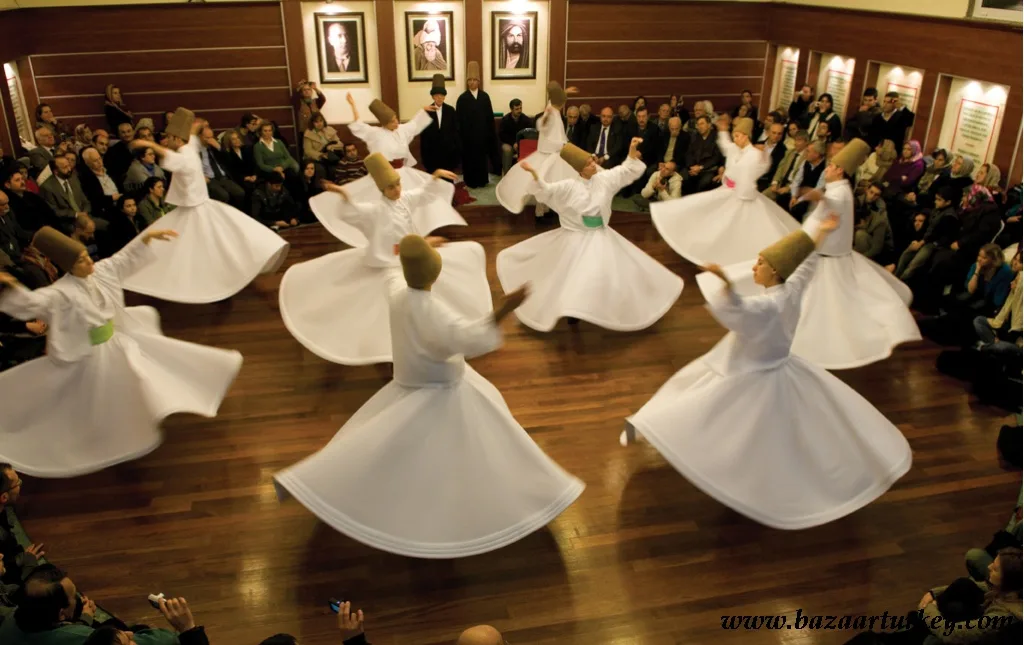
Transmodern Sufism, Or Stepping With Levinas On The Footprints Of A Speculative Sufism Not Re-Framed By 20th Century Orientalists, Part 1 (Philipp Valentini)
> I am wondering if the agony of years > Could be traced to the seed of an hour > If the roots that spread out in the swamp > Ran too deep for the issuing

Lacan As “Spiritual Director” – On The Relationship Between Psychoanalysis And Christian Mysticism, Part 3 (Mark Murphy)
The following is the third installment of a three-part series. The first can be found here. The second one can be found here The second one can be found here.
Announcing “The New Polis” – An E-Publication On Critical Theory, Cultural Analysis, And Political Thought
The directors of The Whitestone Foundation, the Colorado-based 501(c)3 non-profit corporation that has published The Journal for Cultural and Religious Theory
From Christology to Political Theology (Cyril Hovorun)
In the Christian Antiquity and later on during the Middle Ages, there was neither separation nor much distinction between the theological and the political

Looking For Reviewers
We are looking for authors to review the a variety books in different topic areas related to religious and cultural theory It highlights key arguments
“Notations” – Call for Contributors
In addition to reviews and commentaries, the new JCRT feature “religious theory” ([jcrt.org](https://jcrt.org)/religioustheory), updated regularly, will publish...
Framing Religious Conflict and Violence – Insights from Historical Institutionalism, Part 2 (Vivek Swaroop Sharma)
The following is the second installment of a two-part series. The first installment can be found here. There are two important qualifications to the following
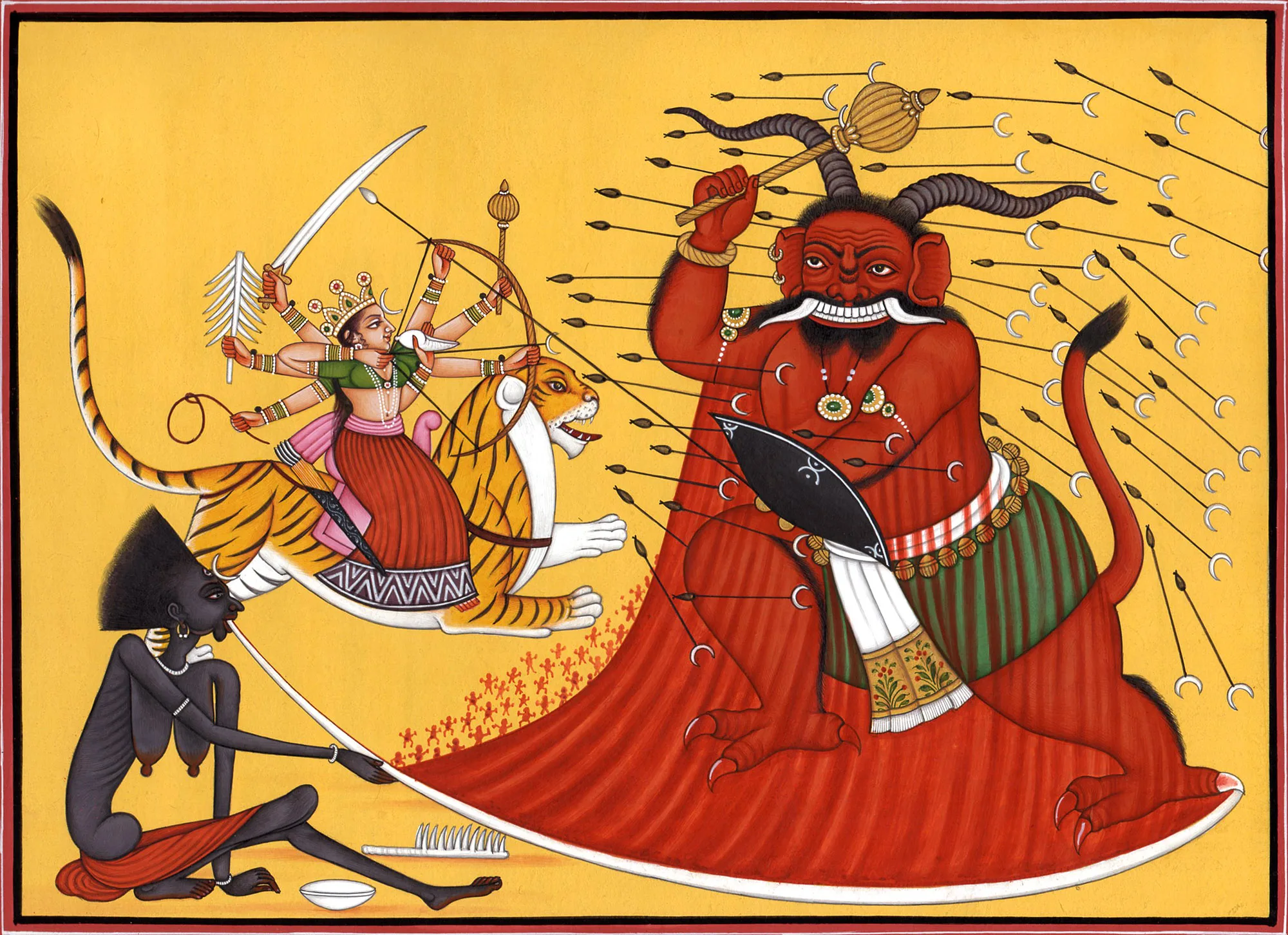
Framing Religious Conflict and Violence – Insights from Historical Institutionalism, Part 1 (Vivek Swaroop Sharma)
Killing hundreds of people in the name of “cow protection” would, at first glance, appear to be a headline drawn from a Monty Python skit It highlights
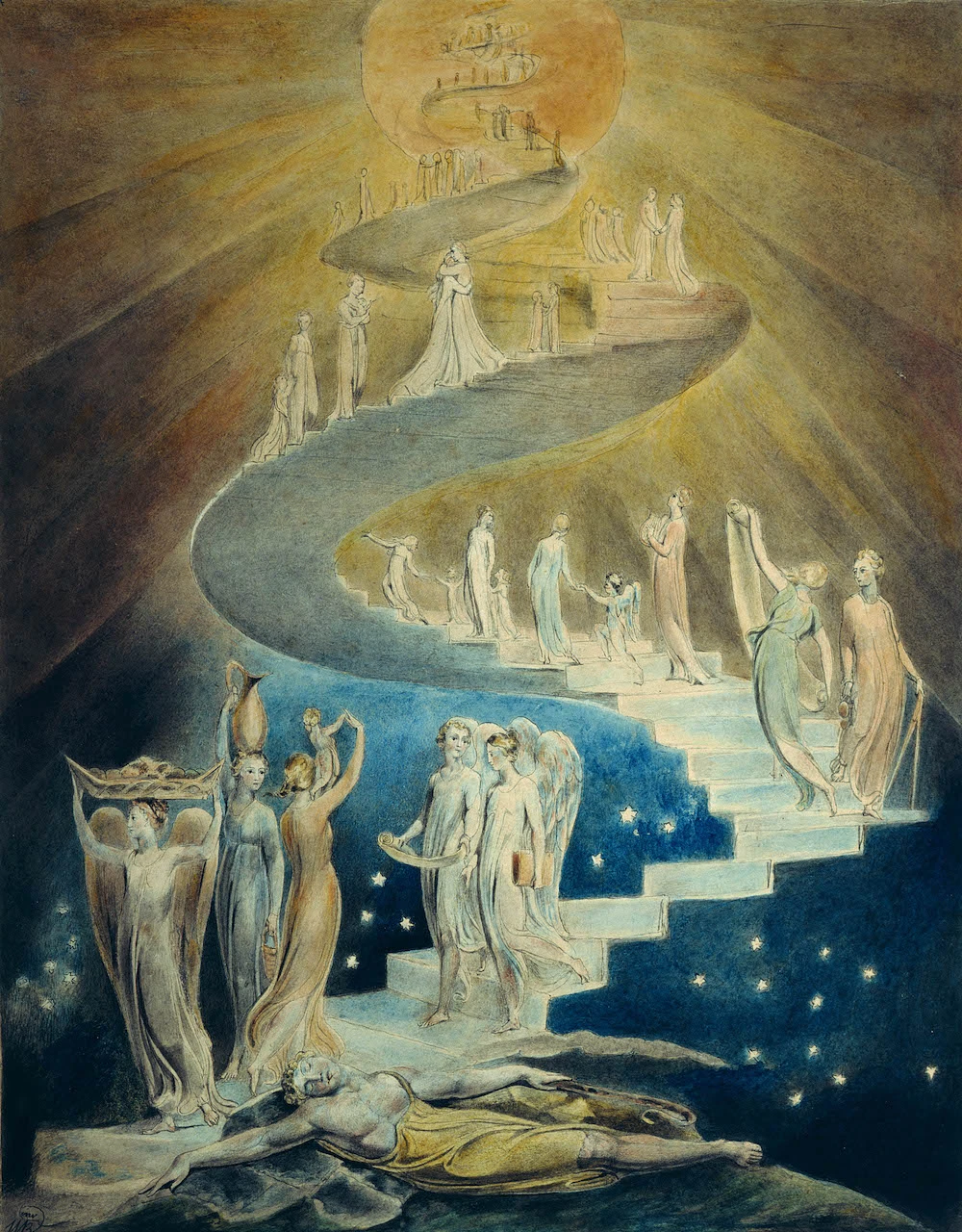
The Kingdom, The Power, The Glory, And The Tawdry – Media And The Undoing Of The Demos, Part 3 (Carl Raschke)
This article is the last of three installments. It was originally a paper given at the international conference “The Crisis of Representation” at Melk
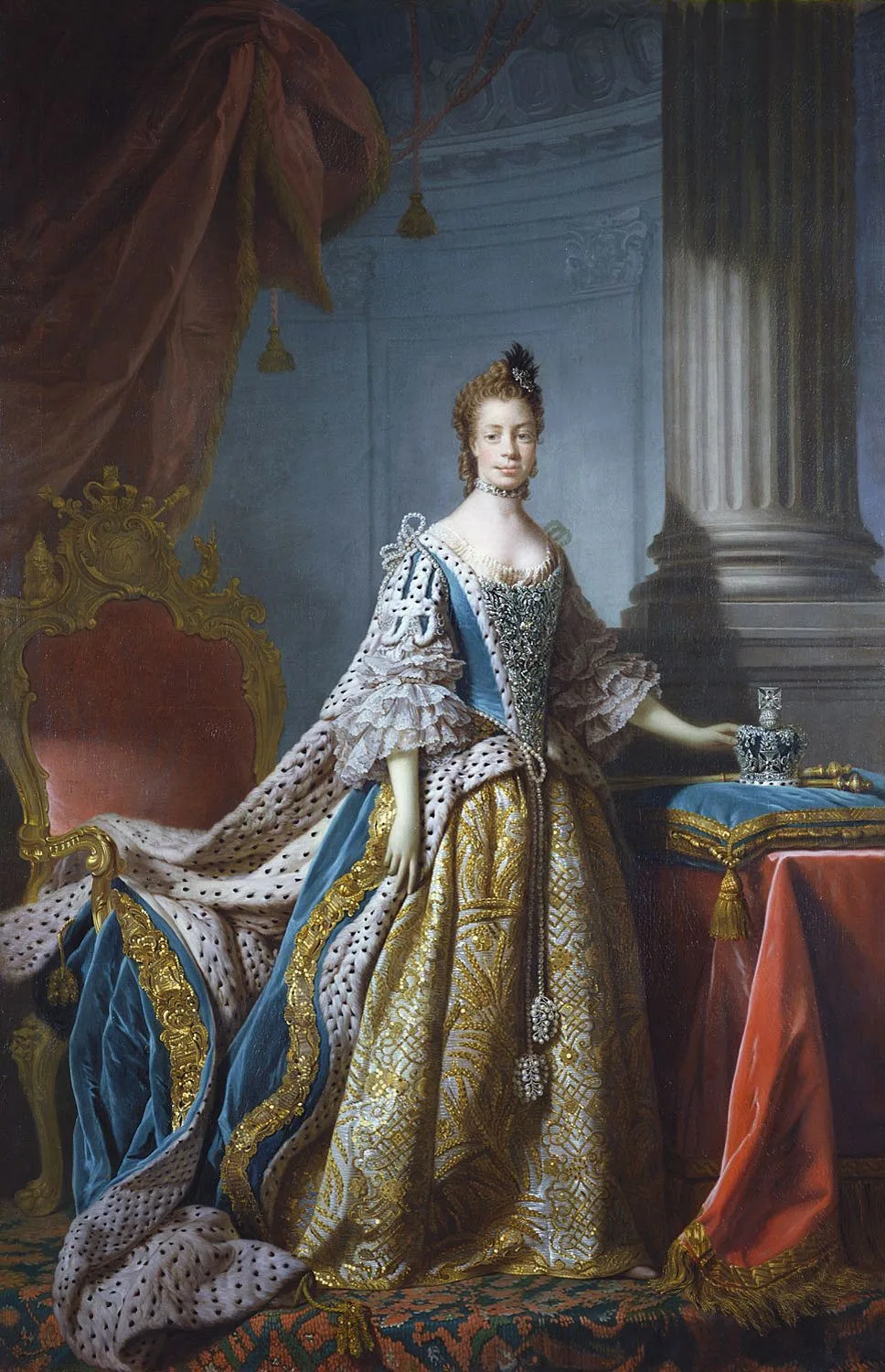
The Kingdom, The Power, The Glory, And The Tawdry – Media And The Undoing Of The Demos, Part 2 (Carl Raschke)
This article is the second of three installments. It was originally a paper given at the international conference “The Crisis of Representation” at Melk

The Kingdom, The Power, The Glory, And The Tawdry – Media And The Undoing Of The Demos, Part 1 (Carl Raschke)
This article appears in three installments. It was originally a paper given at the international conference “The Crisis of Representation” at Melk Conference
Religious Autonomy As Secularism’s Silent Partner (Darshan Datar)
Scholarship has noted that the genealogical trajectory of a state has consistently had an impact on the evolution of state-church relationships It highlights

The Place Of Das Ding – Psychoanalysis, Phenomenology, Religion, Part 2 (John Panteleimon Manoussakis)
The following is the second installment of a two-part series. The first part can be found here. The foregoing has been an effort to inscribe das Ding within a

Philosophy As Interdisciplinary Intensity – An Interview With Giorgio Agamben (Antonio Gnolio/Ido Govrin)
The following is an interview with the famed Continental philosopher Giorgio Agamben conducted by journalist Antonio Gnolio It highlights key arguments
Lacan, Levinas, And The Politics Of The Subject (Joshua Lawrence)
Psychoanalysis has undeniably played a significant role in the development of theories critical of the social landscape It highlights key arguments and

Time Emptied And Time Renewed – The Dominion Of Capital And A Theo-Politics Of Contretemps, Part 3 (Daniel Rhodes)
The following is the third installment of a three-part series. The link to the first portion can be found here. The link to the second is here It highlights
Time Emptied And Time Renewed – The Dominion Of Capital And A Theo-Politics Of Contretemps, Part 1 (Daniel Rhodes)
In his long-awaited interjection into the debates on the future of Marxism after the collapse of Soviet state communism, Jacques Derrida introduces the notion

Love, Psychoanalysis, and Leftist Political Ontology, Part 2 (Daniel Tutt)
The following is the second installment of a two-part article by Daniel Tutt entitled “Love, Psychoanalysis, and Leftist Political Ontology.” It has been
Love, Psychoanalysis, and Leftist Political Ontology, Part 1 (Daniel Tutt)
The following is the first installment of a two-part article by Daniel Tutt entitled “Love, Psychoanalysis, and Leftist Political Ontology.” It has been

A Preface To The Genealogy of Neoliberalism, Part 2 (Carl Raschke)
The following is the second installment of a lecture delivered to the faculty and students of the Research Platform on Religion and Transformation from the
A Preface To The Genealogy of Neoliberalism, Part 1 (Carl Raschke)
The following is the first installment of a lecture delivered to the faculty and students of the Research Platform on Religion and Transformation from the
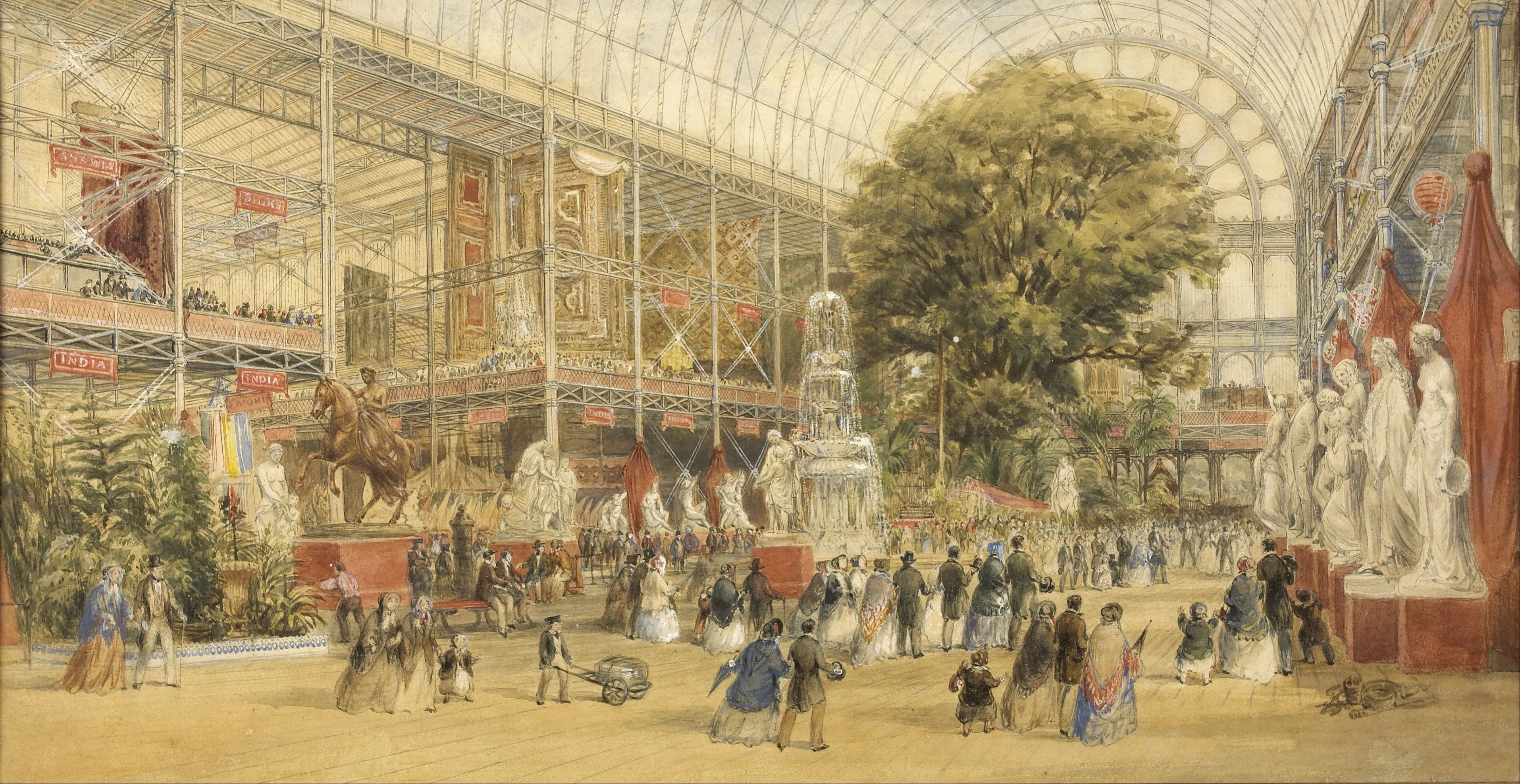
Benjamin’s Concept of History As A Source of Arendt’s Idea of Judgment – Part 2 (Ronald Beiner)
Part 2 extends the Benjamin-Arendt comparison by testing judgment against crisis and memory, clarifying how historical rupture reshapes political discernment
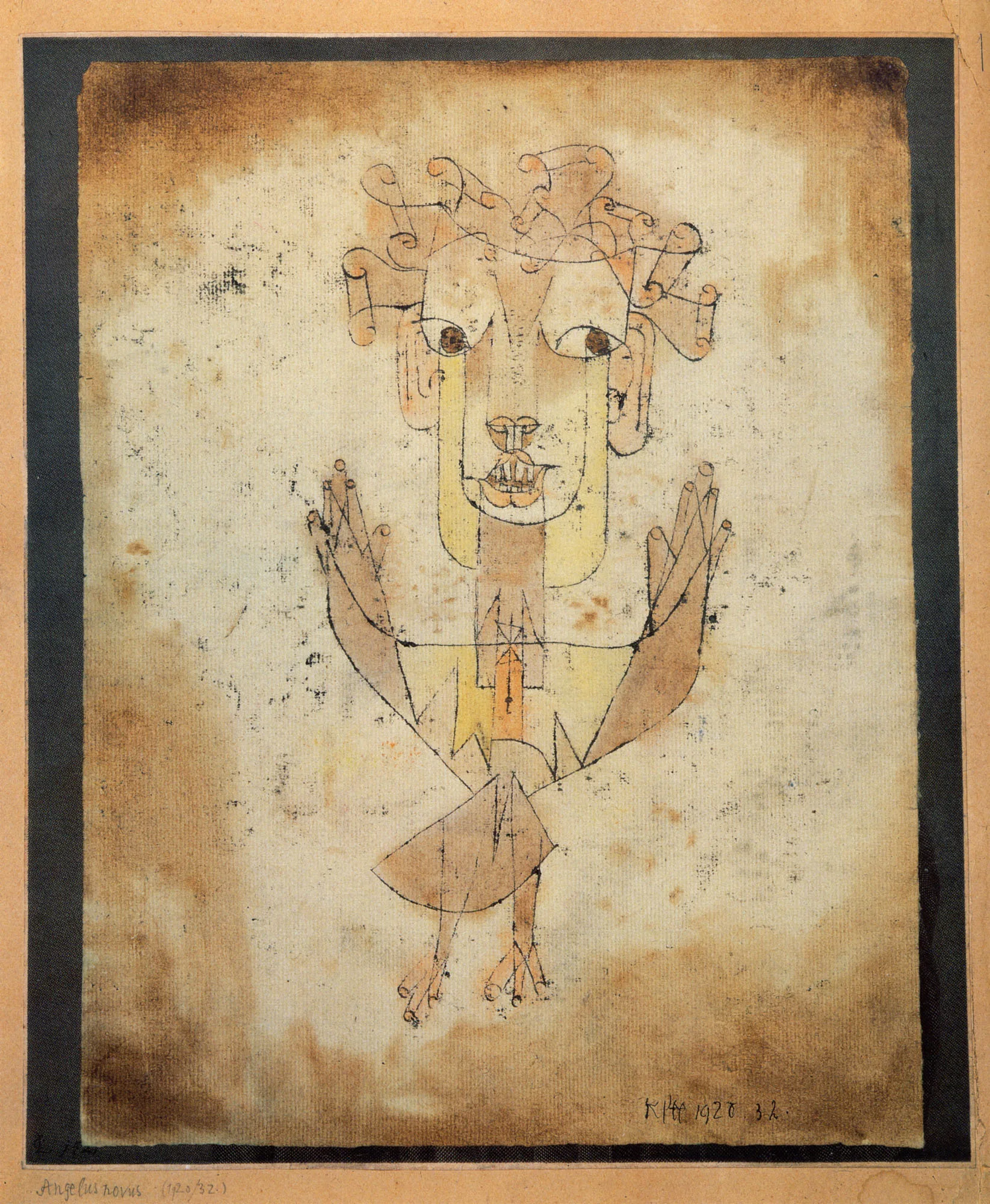
Benjamin’s Concept of History As A Source of Arendt’s Idea of Judgment – Part 1 (Ronald Beiner)
Part 1 traces how Walter Benjamin's theses on history inform Hannah Arendt's account of judgment, emphasizing temporality, critique, and political The
What Is A Dispositif? – Part 2 (Gregg Lambert)
The following article by internationally known theory scholar Gregg Lambert is the second of a two-part series. The first part was published on July 11, 2016

What Is A Dispositif? – Part 1 (Gregg Lambert)
The following article by internationally known theory scholar Gregg Lambert is the first of a two-part series. The concept of “dispositif” is best known as a
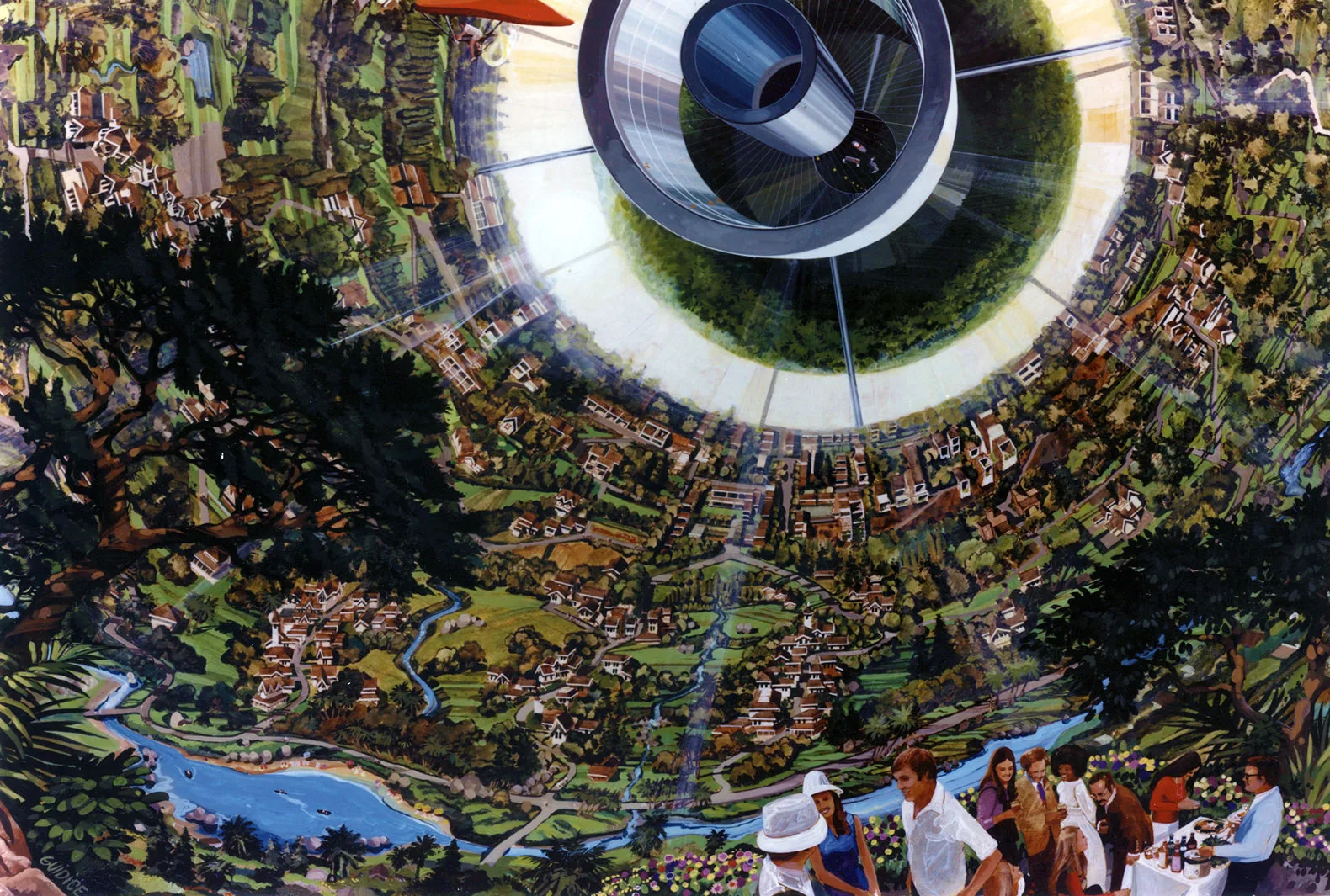
Force in Religious Thought – Carl Raschke and Victoria Kahn in Dialogue, Part 3 (Roger Green)
The following is the last of a three-part series. The first part was published on May 31, 2016. The second part was published on June 17 It highlights

Biopolitics and Vajrayana Buddhism, Part 3 (Padraic Fitzgerald)
The following is the third and final installment in a three-part series. The first installment was published on May 27, 2016 and can be found here It highlights
Force in Religious Thought – Carl Raschke and Victoria Kahn in Dialogue, Part 2 (Roger Green)
The following is the second of a three-part series. The first part was published on May 31, 2016. It is especially significant that Heidegger’s attention to the

Biopolitics and Vajrayana Buddhism, Part 2 (Padraic Fitzgerald)
The following is the second installment in a three-part series. The first installment was published on May 27, 2016 and can be found here It highlights

Force in Religious Thought – Carl Raschke and Victoria Kahn in Dialogue, Part 1 (Roger Green)
The term “political theology” is currently used in a variety of ways in current debate over the place of liberalism amid world crises in politics and It

Biopolitics and Vajrayana Buddhism, Part 1 (Padraic Fitzgerald)
Biopolitics, as Michel Foucault argued, views populations through an economic lens, as capital to be preserved and multiplied to keep the nation or tradition
Theodicy of Money – The Scene and Subject of Forgiveness (Timothy Snediker)
Today the question of debt forgiveness has become an eminently practical, not to mention political, question. From sovereign debt crises in Greece, Spain
Review – Badiou and Gauchet on Capitalism and Democracy
*Badiou, Alain and Gauchet, Marcel. What Is To Be Done?: A Dialogue on Communism, Capitalism, and the Future of Democracy. Translated by Susan Spitzer