

Category: Religious Studies ← Back to categories

Theorizing the Human Sciences in the Age of Absolute Disruption: Historical Criticism and Its Remainders
Adam DJ Brett reads Jason Ānanda Josephson-Storm’s trilogy — The Myth of Disenchantment, Metamodernism, and The Genealogy of Genealogy — as one project asking...
What Exactly Is Postmodernism, And How Did It Change The Landscape Of Religious Studies?, Part 2 (Carl Raschke)
This article is published in two installments. The first can be found here. Taylor’s typification of postmodernism as Flatland, however, as the quintessential

What Exactly Is Postmodernism, And How Did It Change The Landscape Of Religious Studies?, Part 1 (Carl Raschke)
Almost a half century ago a change took place in the humanities, and by extension in the fledgling field of religious studies It highlights key arguments
The Imagination In Spinoza – The Moral Good Between Prophecy And The Amor Dei Intellectualis, Part 2 (Caterina De Gaetano)
The following is the second of a two-part series. The first can be found here. The entire article appears in Issue 22.1 of the Journal for Cultural and
Orientalism, Ontology, And Orientation – A Muslim Perspective On Charles H. Long, Part 2 (Mehnaz Afridi)
The following is the second of a two-part series. The first can be found here. The full article is published in the spring 2022 issue of the Journal for

Orientalism, Ontology, And Orientation – A Muslim Perspective On Charles H. Long, Part 1 (Mehnaz Afridi)
The following is the first of a two-part series. The full article is published in the spring 2022 issue of the Journal for Cultural and Religious Theory
The Legacy Of Charles H. Long – Resisting and Short-Circuiting the Discourses Of Exclusion In The Theory And Practice Of Administration (Victor E. Taylor)
The following essay introduces the upcoming volume of the Journal for Cultural and Religious Theory featuring reflections on the work of renowned religious

From Holistic To In-Between Theology – The Ethiopian Evangelical Church Mekane Yesus, Part 1 (Rode Molla)
The Ethiopian Evangelical Church Mekane Yesus: Simultaneously Western and Indigenous Even though the Ethiopian Evangelical Church Mekane Yesus has a Lutheran

Entheogens, Spirituality, And Modern Myths, Part 3 (John Cuda)
Part 3 links entheogen practice and dreamwork, arguing that altered states function as a training ground for agency, myth-making, and transformed lived reality.
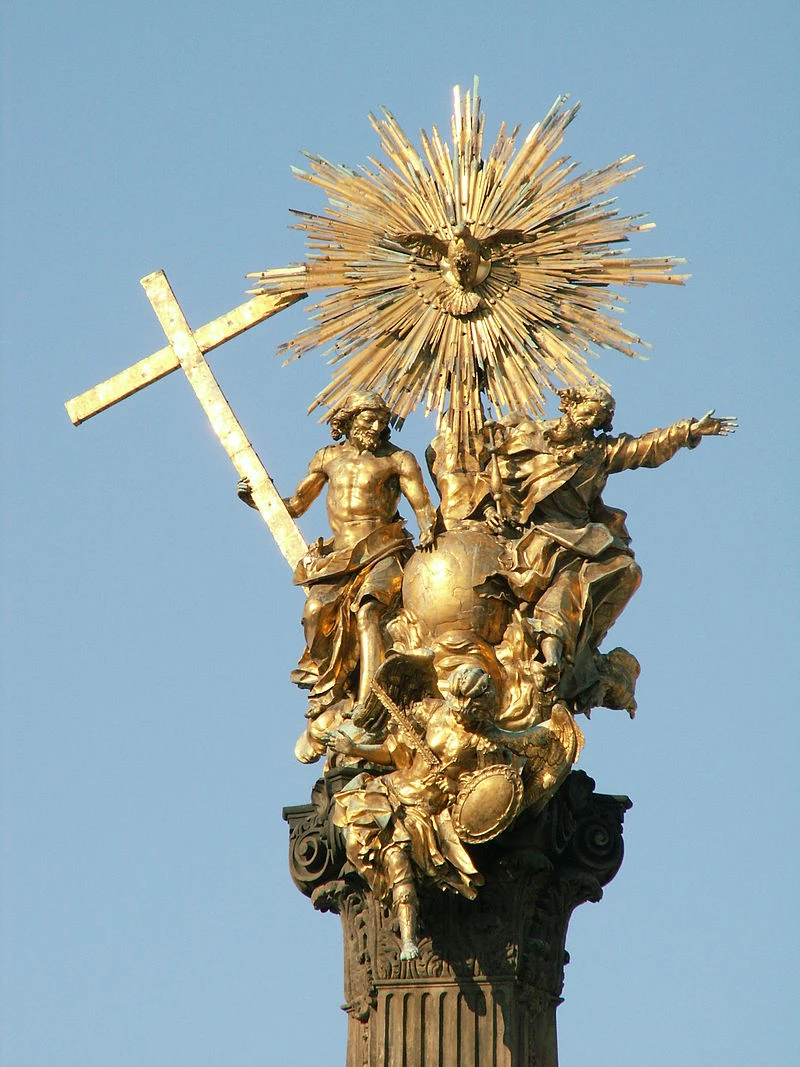
God As Person and Trinity, Lecture 7 (Johannes Zachhuber)
The following is the seventh lecture in an eight-lecture series. The most recent one can be found here. The possibility that God is person has often been

God And Language, Lecture 6 (Johannes Zachhuber)
The following is the sixth lecture in an eight-lecture series. The most recent one can be found here. I started the last couple of lectures with elaborate

Review – Performance Apophatics (John Matthew Allison)
*Claire Maria Chambers. Performance Studies and Negative Epistemology: Performance Apophatics. Palgrave Macmillan, 2017. Hardback Hardback. It highlights
God and History, Lecture 5 (Johannes Zachhuber)
The following is the fifth lecture in an eight-lecture series. The most recent one can be found here. The existentialist approach you heard about last week
Religion And Mental Health – The Therapuetic Value Of The Teachings of Jesus, Part 2 (Thomas Roberts and Delbert Hayden)
The following is the second part in a two-part installment. You can find the first part here. Maintaining a State of Hope and Taking a Transcendent Perspective
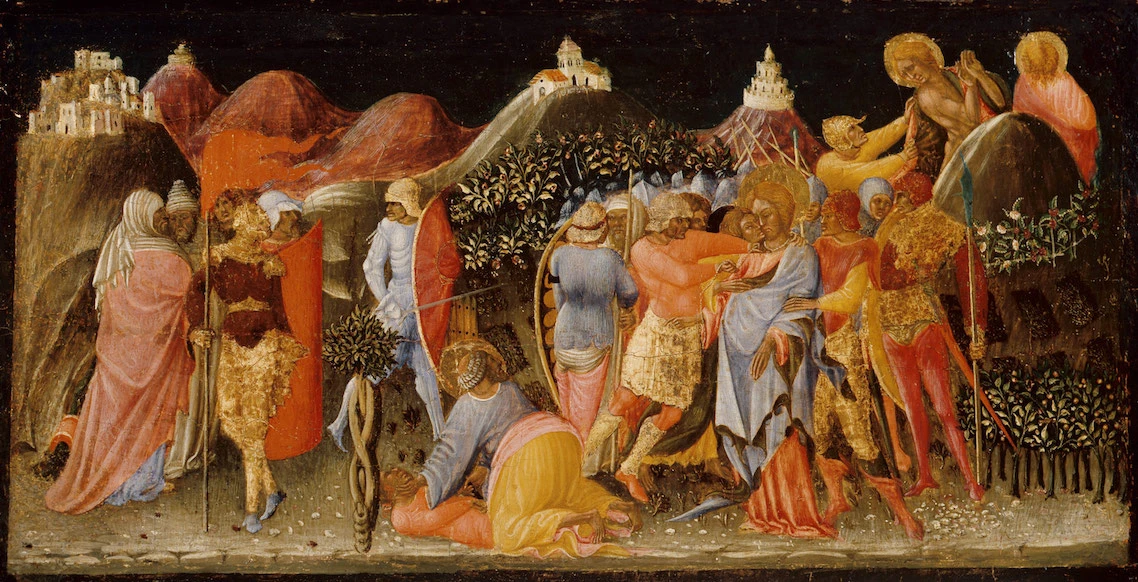
Religion And Mental Health – The Therapeutic Value Of The Teachings Of Jesus , Part 1 (Thomas Roberts And Delbert Hayden)
The following is the first part in a two-part installment. The second part can be found here. Author Note: The authors of this article take the position that

Towards A New Comparative Methodology In Religious Studies (Kara Roberts)
Author Note: The following was originally written as the introduction to a much longer comparative project between two religious myths Amy Balogh. It highlights

The Dangers Of Dealing With Derrida – Revisiting the Caputo-Hägglund Debate On The “Religious” Reading Of Deconstruction, Part 3 (Neal DeRoo)
The following is the third installment of a three-part series. The first one can be found here, the second here. But one could embrace another prevalence for
From Christology to Political Theology (Cyril Hovorun)
In the Christian Antiquity and later on during the Middle Ages, there was neither separation nor much distinction between the theological and the political
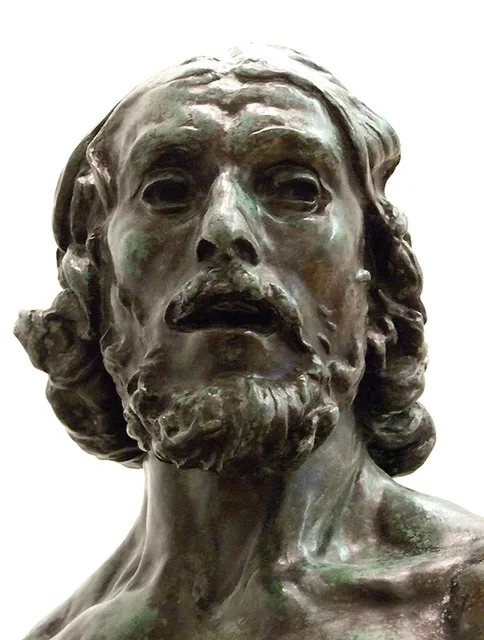
John the Possibilizer: The Promise of a Kearnian Baptismal Hermeneutic, Part II (Eric Trozzo)
The following is the second part in a two-part installment. The first part can be found here. In Kearnian terms, then, the John portrayed by Luke is one who has
John the Possibilizer: The Promise of a Kearnian Baptismal Hermeneutic, Part I (Eric Trozzo)
The wild hair, the scratchy clothing, the grit and body odor, and the exotic diet. All of these images typically come to mind when one mentions John the
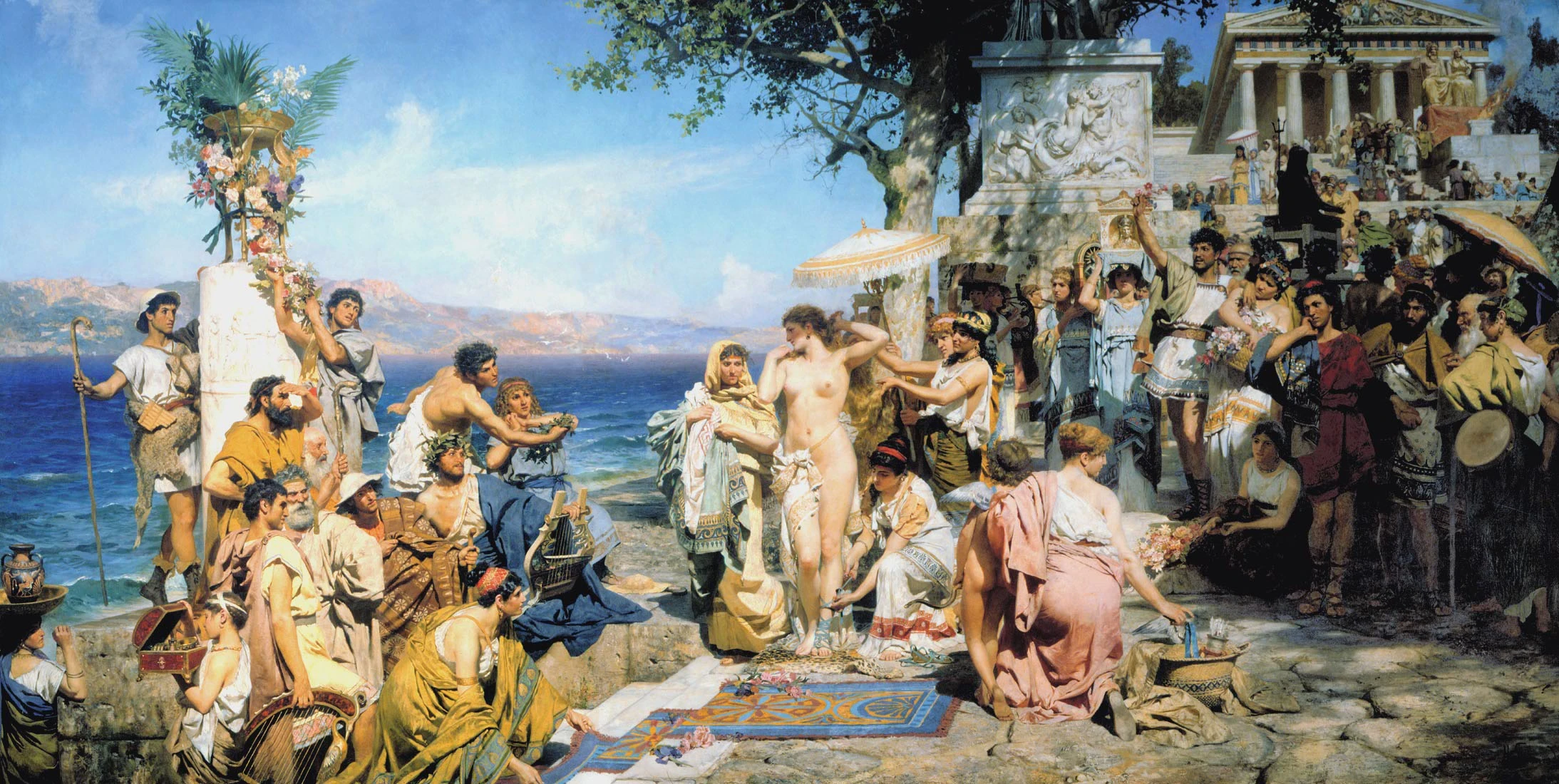
The Mythology of Afterlife Beliefs and Their Impact on Religious Conflict, Part 2 (Brigid Burke)
The following is the second installment of a two-part series. The first installment can be found here. Zoroastrianism is believed to be an outgrowth of an

Slow Journalism? Ethnography as a Means of Understanding Religious Social Activism, Part 2 (James V. Spickard)
The following is a talk presented at the Weatherhead Center for International Affairs, Harvard University, and is the second installment of a two-part series

Slow Journalism? Ethnography As A Means Of Understanding Religious Social Activism, Part 1 (James V. Spickard)
The following is a talk presented at the Weatherhead Center for International Affairs, Harvard University, and is the first installment of a two-part series

Religious Studies and Comparative Theology – An Appraisal (Joshua Samuel)
The title “religious scholar,” it must be remembered, is a very ambiguous categorization. It could either mean those who are engaged in academic work in the

Dreaming Innocence in America – Paul Tillich’s Radical Theology of Liberation, Part 3 (Alan Jay Richard)
The following is the final installment of a three-part series. The first installment can be accessed here. The second part can be found here It highlights

Review – Digital Technologies and Religion in the Postmodern Era (Albert McClure)
*Han, Sam. Technologies of Religion: Spheres of the Sacred in a Post-Secular Modernity. Routledge Research in Information Technology and Society 19 142 pages.