

Religious Theory Posts

Biopolitics and Vajrayana Buddhism, Part 2 (Padraic Fitzgerald)
The following is the second installment in a three-part series. The first installment was published on May 27, 2016 and can be found here It highlights
Review – Donovan Schaefer’s Call For a Materialist Turn In Religious Theory (Jonathan Russell)
*Schaefer, Donovan O. Religious Affects: Animality, Evolution, and Power. Durham NC: Duke University Press, 2015. ISBN 10: 978-0-8223-5982-1, 10: It highlights

Force in Religious Thought – Carl Raschke and Victoria Kahn in Dialogue, Part 1 (Roger Green)
The term “political theology” is currently used in a variety of ways in current debate over the place of liberalism amid world crises in politics and It

Biopolitics and Vajrayana Buddhism, Part 1 (Padraic Fitzgerald)
Biopolitics, as Michel Foucault argued, views populations through an economic lens, as capital to be preserved and multiplied to keep the nation or tradition
Theodicy of Money – The Scene and Subject of Forgiveness (Timothy Snediker)
Today the question of debt forgiveness has become an eminently practical, not to mention political, question. From sovereign debt crises in Greece, Spain

Jesus’ Ghost – Derrida, Christianity, and “Hauntology”, Part 3
The following is Part 3 of a 3-part series by Victor Taylor on how one might reflect theologically on Jesus and the Christian message from a Derridean
Review – Badiou and Gauchet on Capitalism and Democracy
*Badiou, Alain and Gauchet, Marcel. What Is To Be Done?: A Dialogue on Communism, Capitalism, and the Future of Democracy. Translated by Susan Spitzer

Jesus’ Ghost – Derrida, Christianity, and “Hauntology”, Part 2
The following is Part 2 of a 3-part series by Victor Taylor on how one might reflect theologically on Jesus and the Christian message from a Derridean
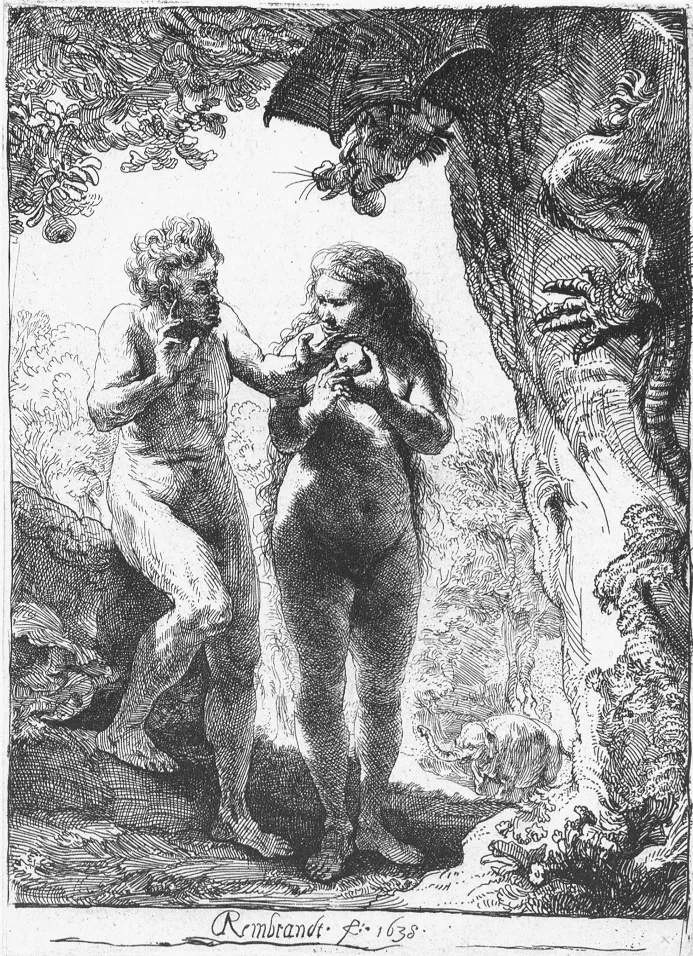
More Sympathy for the Devil, or The State of Satan in The Age of Obama and Trump
Fifty years ago this weekend in the year 1966, according to lore and legend, San Francisco showman, musician, and self-professed huckster Howard Stanton Levey
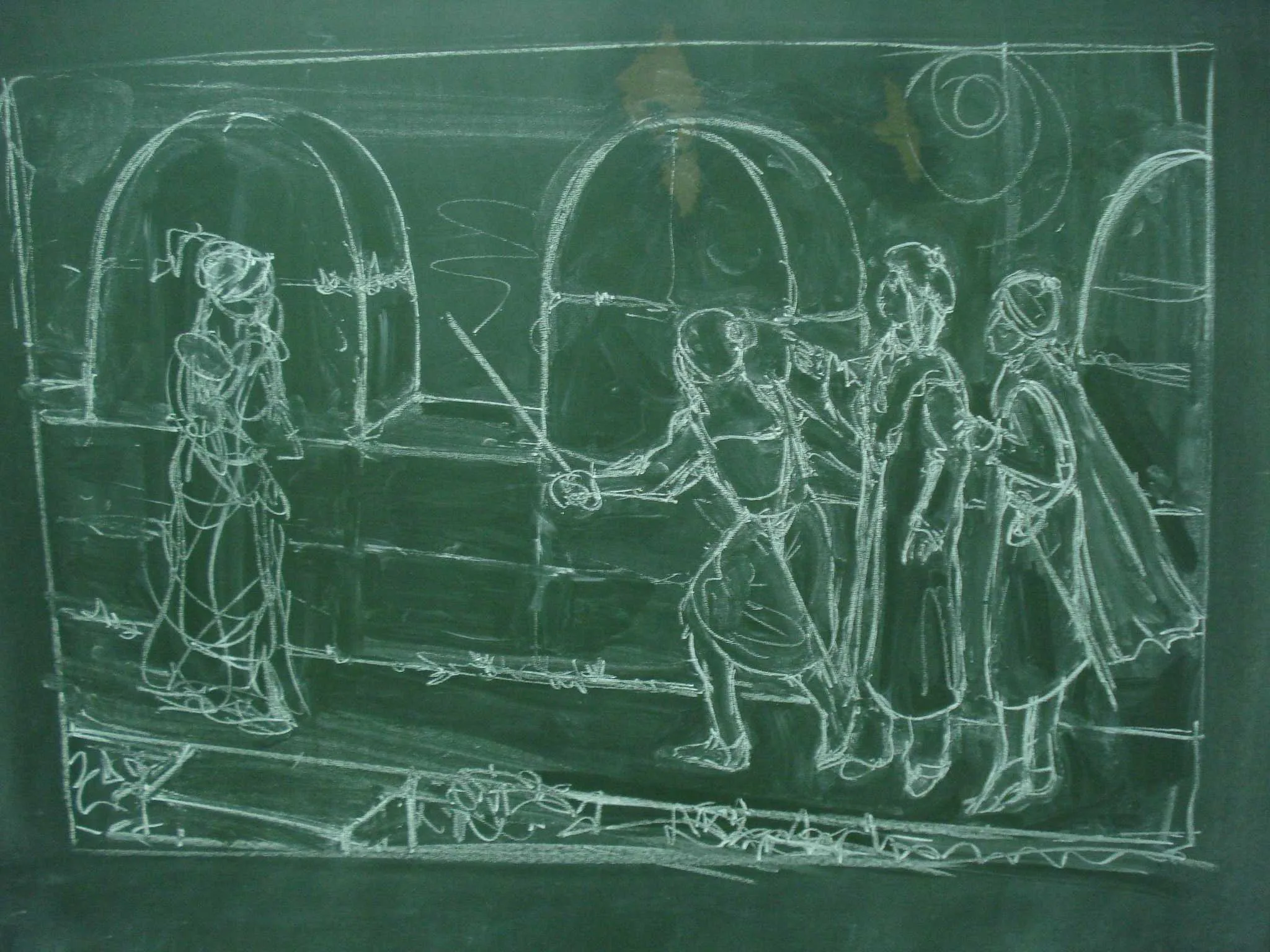
Jesus’ Ghost – Derrida, Christianity, and “Hauntology” – Part 1
> Jesus, who was concerned till manhood with his own personal development, was free from the contagious sickness of his age and his people; free from the

Review – Carl Raschke’s Force of God Hammers Out A Political Theology Of Insurrection/Resurrection For Our Times
Raschke, Carl. Force of God: Political Theology and the Crisis of Liberal Democracy. New York: Columbia University Press, 2015. ISBN-978-0231-17384-1 It

Review – Jean-Pierre Couture Brings To Life The Ongoing Oeuvre of Peter Sloterdijk
*Couture, Jean-Pierre. Sloterdijk (Key Contemporary Thinkers). Boston: Polity, 2015. 208 pages. ISBN-10: 0745663818. Hardback, paperback, e-book, 208 pages
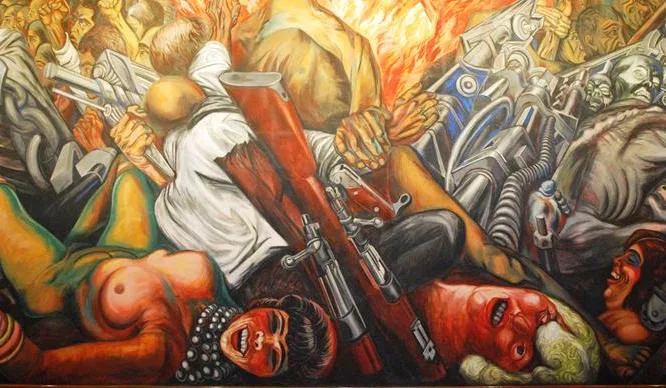
Spiritual Erotics, Part 3 – Eros, Ecstasy, and the Pentecostal Experience
In the first installment of this three-part book preview of my forthcoming work on machismo in Latino culture I explored the role of the new, and “hot”
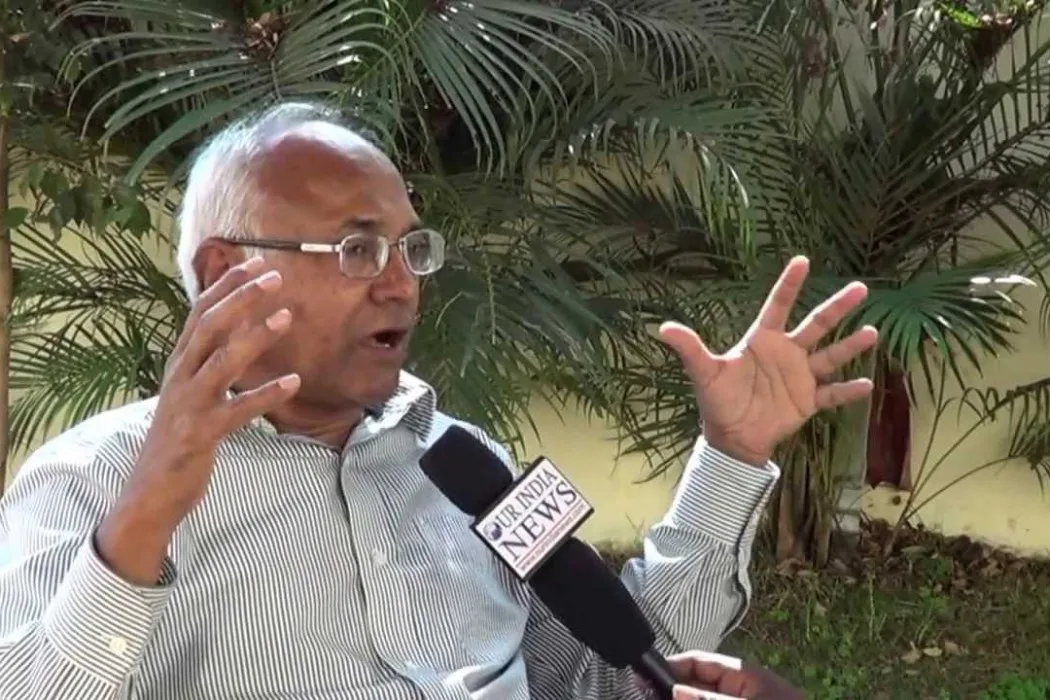
Renegade Hinduism Scholar Featured In Norton’s Anthology of World Religions
The just-released, multi-volume Norton Anthology of World Religions is a major project of substance undertaken by a group of world-renowned scholars in

Spiritual Erotics, Part 2 – The Nature and History of Machismo and Its Feminine Counterpart As “Marianismo”
From time to time Religious Theory (RT) invites well-known academic authors to outline current book projects that have not yet been published It highlights
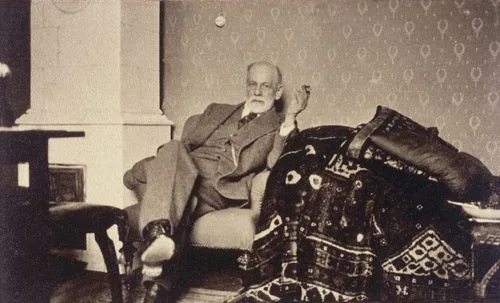
Recovering the Unconscious – A Conference on the Intersection of Psychoanalysis With Politics, Philosophy, and Religion – CFP
A Conference on the Intersection of Psychoanalysis With Politics, Philosophy, and Religion Sponsored by the University of Denver and the Colorado Analytic Forum

Spiritual Erotics, Part 1 – Affect Theory and the Transformation of Machismo Among Latino Pentecostal Men
From time to time Religious Theory (RT) invites well-known academic authors to outline current book projects that have not yet been published S. It highlights

Plundering A Theory of Trauma – Confessions of A Novice Author on Lacan and Theology
Nietzsche’s advice to young authors was to never admit error, for our critics will neither give an inch nor forgive our humility in siding against ourselves
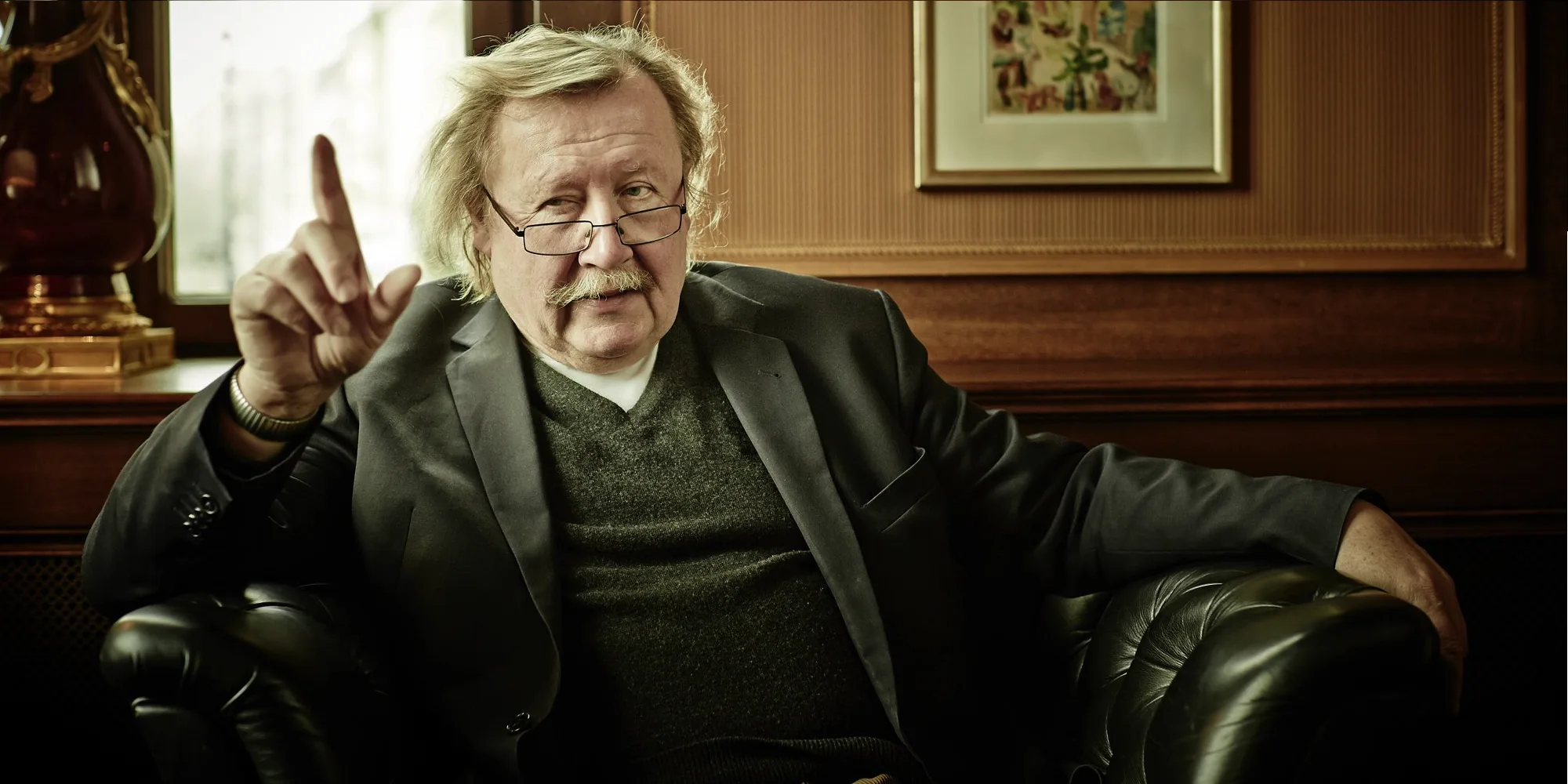
Review Essay – Peter Sloterdijk on Social Bonds, Freedom, and Religion
The English reception of Peter Sloterdijk has been ambivalent at best, relying largely on hearsay from European interlocutors (Žižek especially) or gossip about

NOTATIONS – The “Unacculturable” – Refugee Flux Spurs Crisis of European Belief
This Notations piece analyzes how refugee discourse destabilizes European self-understanding, linking cultural panic, theological residue, and political

NOTATIONS – Agamben’s Homo Sacer, Refugees, and the Crisis of European Values
This Notations essay reads refugee politics through Agamben's Homo Sacer, examining sovereignty, exception, and the moral crisis revealed by Europe's border
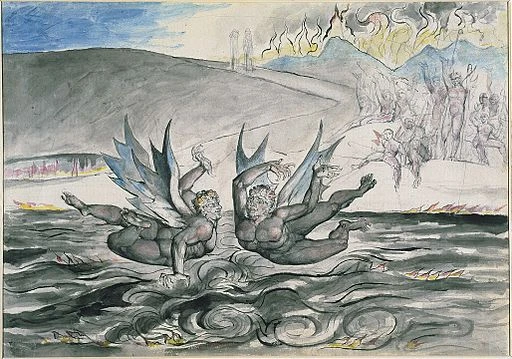
The Secularizing Ethos and the End of Biblical Authority – How Today’s Evangelicals Abandoned Evangelicalism
So reads the title of a recent article in the Los Angeles Review of Books. The author, Jim Hinch, begins his piece with the conversion story of A. J J.
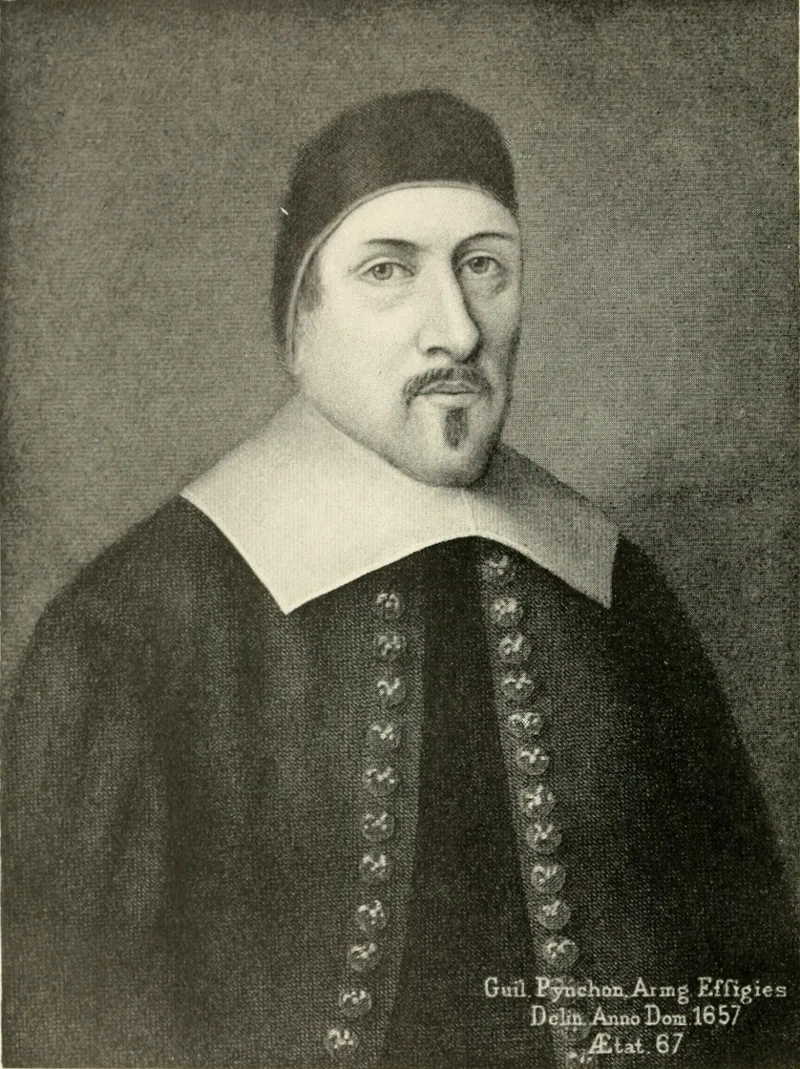
Conferences and CFPs – Upcoming
Beyond Habermas? Critical Theory, Political Theology, and Interreligious Dialogue “Habermas’ postsecular perspective of socio-political integration has had a
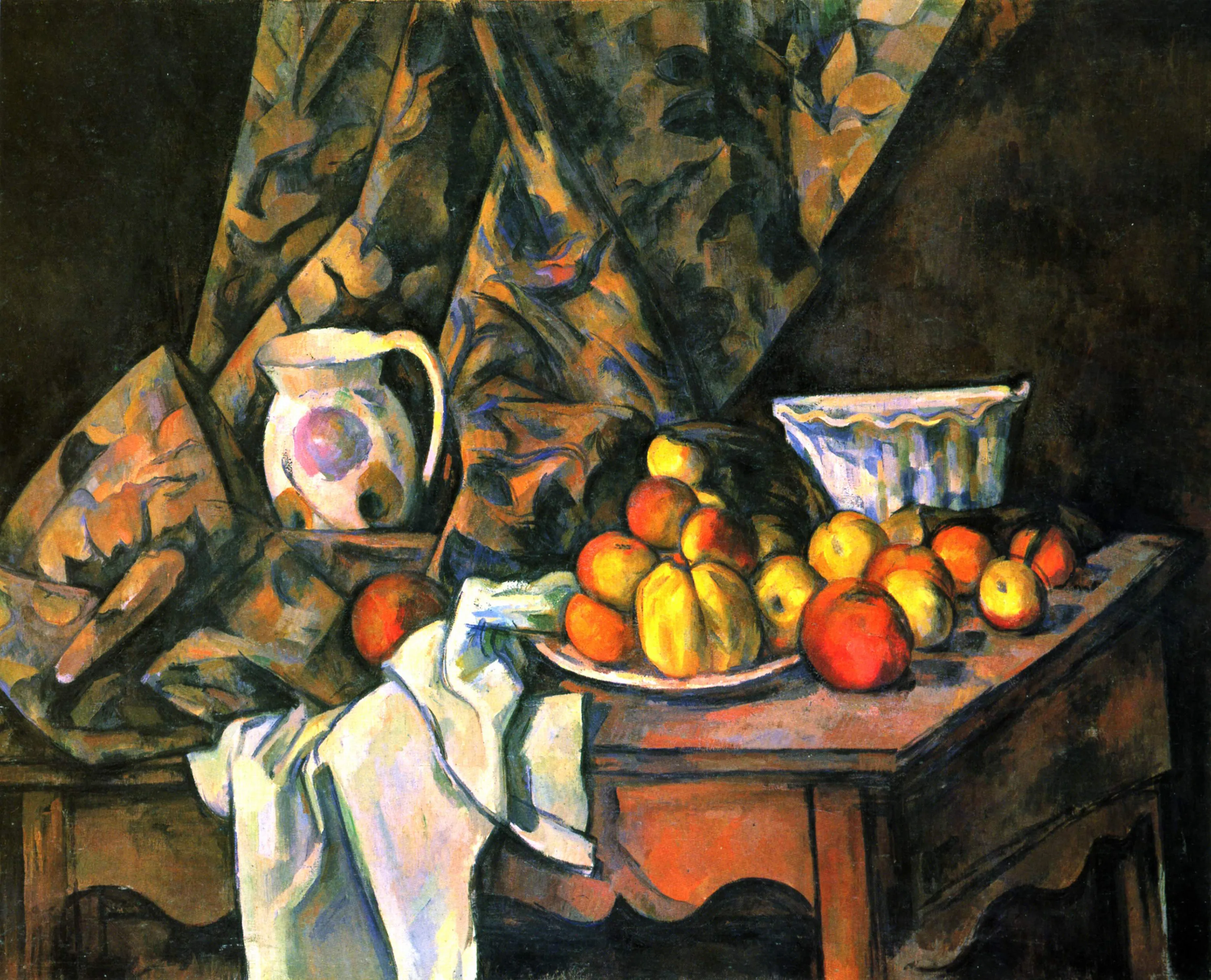
Life As Art – Aesthetic Virtue and Moral Obligation
Virtue ethics has received much attention throughout the last decades. While some of the corresponding works are dealing with questions of aesthetics, there
Religious Theory – A New Review, Commentary, and Conversations Feature of JCRT
Religious Theory is the new commentary, review, and conversation blog for The Journal for Cultural and Religious Theory It highlights key arguments and