

Religious Theory Posts
What Do We Mean By “Decoloniality”? A Discussion, Part 2
Part 2 continues the keynote discussion on decoloniality, elaborating disagreements over praxis, universality, and strategy while clarifying points of shared
What Do We Mean By “Decoloniality”? A Discussion, Part 1
Part 1 records a keynote discussion defining decoloniality, foregrounding coloniality's persistence, divergent methods, and disputes over politics, knowledge

Critical Conversations 9 – Economic Theology And The Indebtedness Of Everyday Life (Announcement)
Participants are invited to join us live in the ninth of a monthly series of “Critical Conversations” (Zoom webinars) with eminent scholars from around the

Reorientation In The Field – Why Religion Matters, Part 2 (Wendy Felese)
The following is the second of a two-part series. The first can be found here. The article was first given at a conference in 2019 in Athens, Greece (2019).

Decoloniality And Disintegration Of Western Cognitive Empire – Rethinking Sovereignty And Territoriality In The 21st Century (Conference Announcement)
Sponsored by The New Polis, Whitestone Publications, and Metropolitan State University of Denver in collaboration with members of the Iliff School of Theology

Reorientation In The Field – Why Religion Matters, Part 1 (Wendy Felese)
The following is the first of a two-part series. It was originally published at a 2019 conference in Athens, Greece.1 When teaching classes like World Religions
Modern Theology And The Dialectic Of God, Part 4 (Kelly Maeshiro)
The following is the last of a four-part series. The first can be found here, the second here, the third here. Barth’s theology is in many ways contiguous with

Modern Theology And The Dialectic Of God, Part 3 (Kelly Maeshiro)
The following is the third of a four-part series. The first can be found here, the second here. Philosophically speaking, Hegel’s Absolute idealism represented
Modern Theology And The Dialectic Of God, Part 2 (Kelly Maeshiro)
The following is the second of a four-part series. The first can be found here. Kantian idealism for Hegel represents the “shape” of Spirit corresponding to
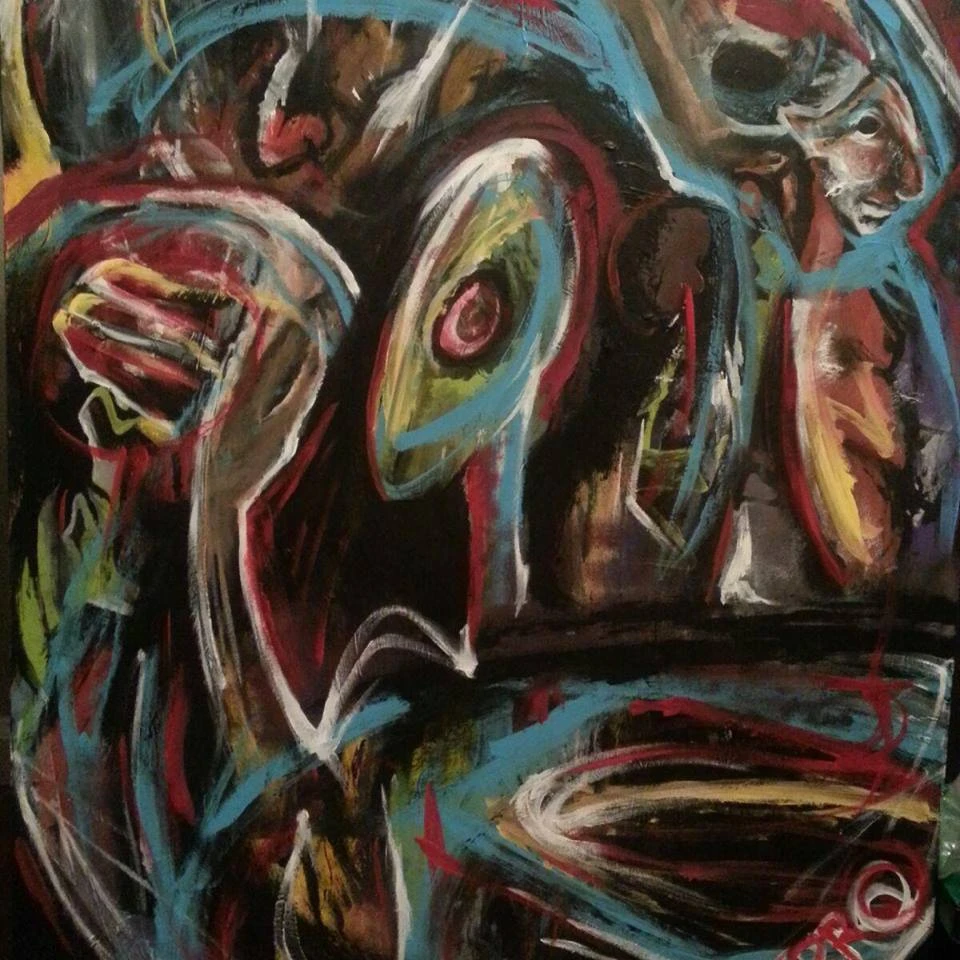
Modern Theology And The Dialectic Of God, Part 1 (Kelly Maeshiro)
In the Christian tradition, the question of whether philosophy is necessary for theology, or even relevant to it, is a question almost as old as theology

Critical Conversations – American Indian Worldview And The Twinned Cosmos Of Indigenous America (Barbara Alice Mann, Onondawaga, Bear Clan And Tink Tinker, Wazhazhe, Osage Nation, Eagle Clan)
The following is the video and transcript of the fifth “Critical Conversation”, a monthly Zoom seminar with advance registration sponsored by Whitestone

Call For Presentations And Proposals – Decoloniality And Disintegration Of Western Cognitive Empire, Or Rethinking Sovereignty And Territoriality In The 21st Century (Announcement)
The New Polis in collaboration with the Journal for Cultural and Religious Theory (part of The Whitestone Foundation of publications) announces a webinar-based
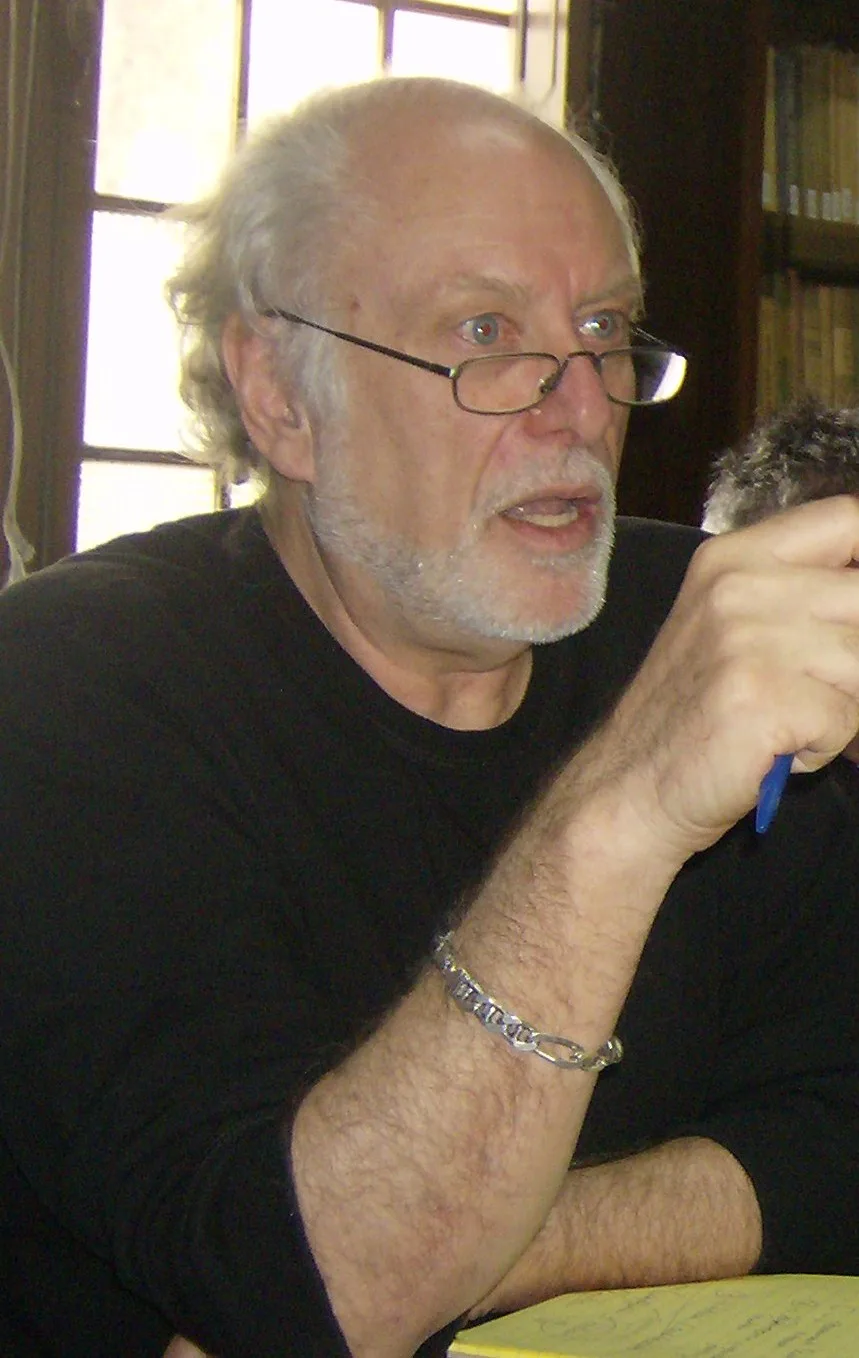
Critical Conversations – “On Decoloniality” With Walter Mignolo (Announcement)
An earlier version of this posting had the date listed as “December,” which would imply the webinar had already occurred It highlights key arguments and
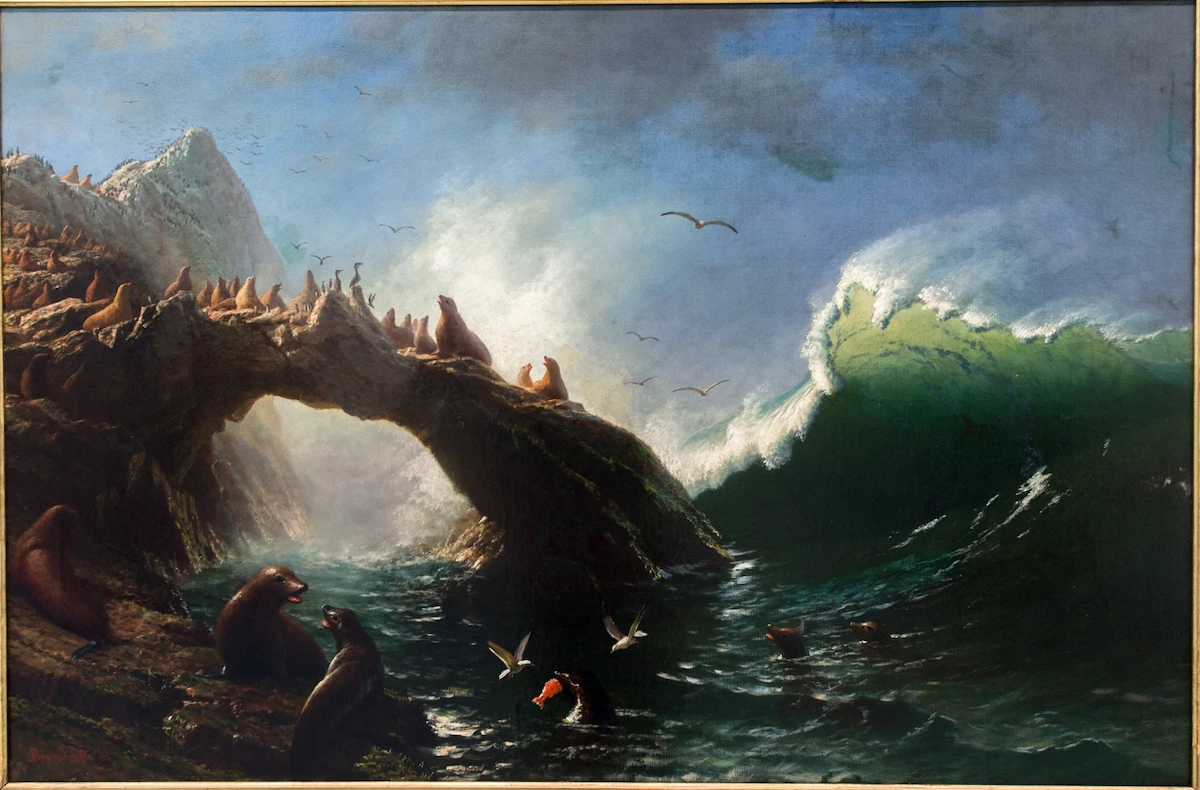
Tsimtsum In Life Of Pi, Part 4 (Daniel Reiser)
The following is the last of a four-part series. The first can be found here, the second here, the third here. Is what Martel presents his readers only a
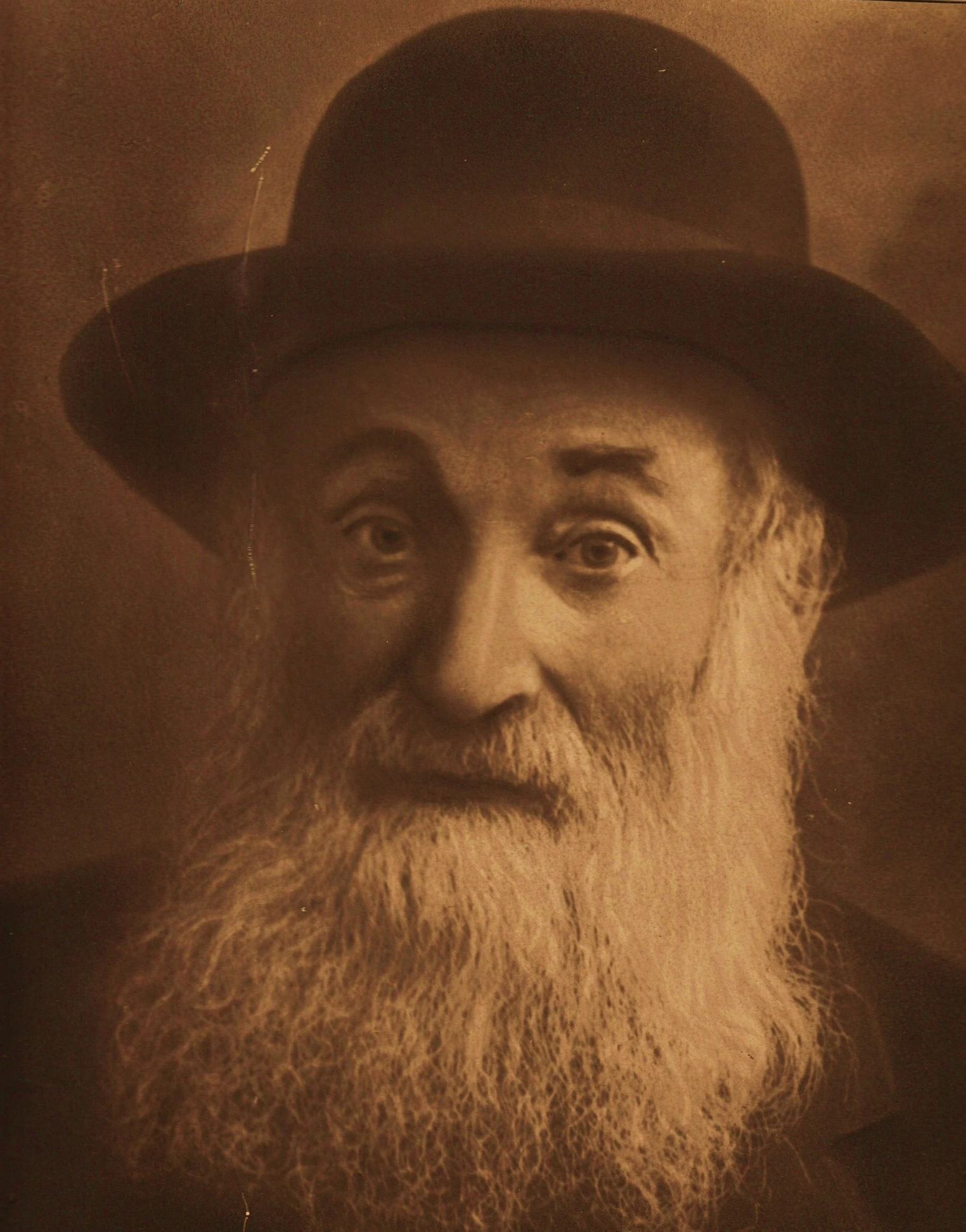
Tsimtsum In Life Of Pi, Part 3 (Daniel Reiser)
The following is the third of a four-part series. The first can be found here, the second here. Beyond the question of metaphor and reality, the greatest
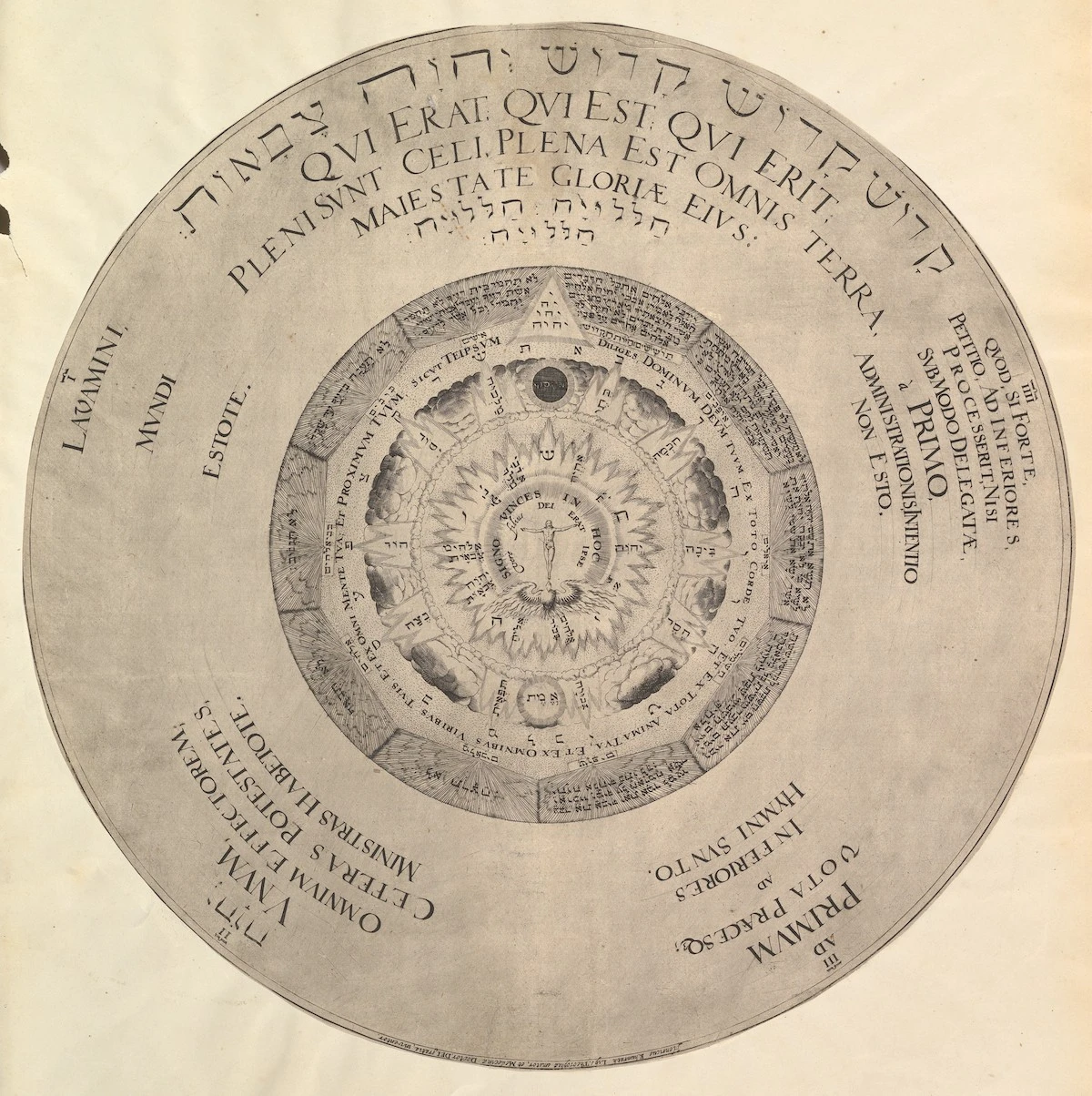
Tsimtsum In Life Of Pi, Part 2 (Daniel Reiser)
The following is the second of a four-part series. The first can be found here. Hasidism, which translated Kabbalah into psychological categories, was a target

Tsimtsum In Life Of Pi, Part 1 (Daniel Reiser)
Yann Martel’s 2001 bestselling novel Life of Pi, later released in 2012 as a prize-winning box office hit, addresses themes such as religion, faith It

Critical Conversations – American Indian Worldview And The Twinned Cosmos Of Indigenous America (Announcement)
Participants are invited to join us live in the fifth of a monthly series of “Critical Conversations” (Zoom webinars) with eminent scholars from around the
Antinomian Flesh, Part 3 (David Kline)
The following is the third of a three-part series. The first can be found here, the second here. Both before nomos and therefore its condition of enactment, the
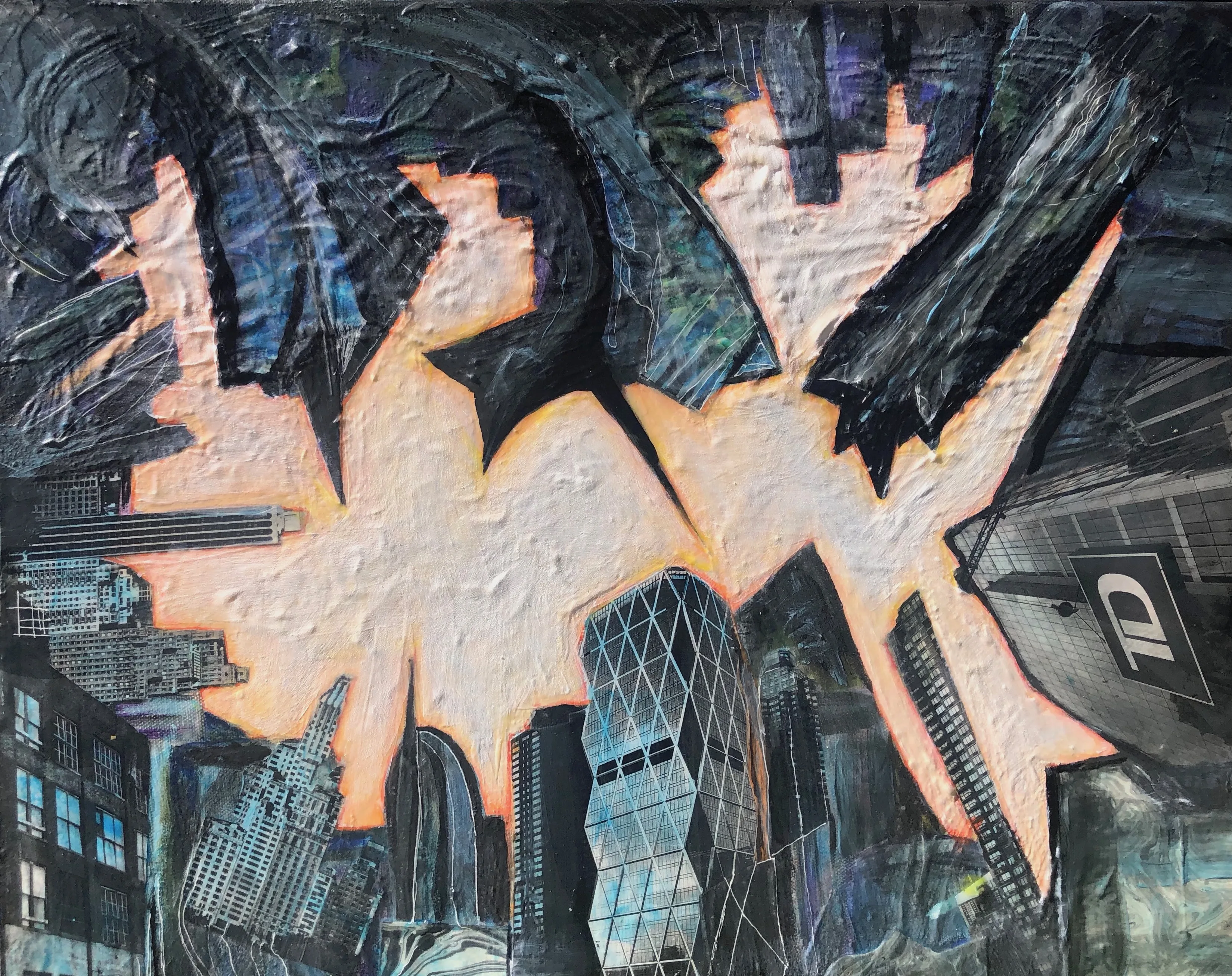
Critical Conversations – 2020 And The Catastrophe Of The Global Neoliberal Order (Announcement)
Participants are invited to join us live in the fourth of a monthly series of “Critical Conversations” (Zoom webinars) with eminent scholars from around the

Antinomian Flesh, Part 2 (David Kline)
The following is the second of a three-part series. The first can be found here. The above descriptions of nomos encapsulate general sociological, political

Antinomian Flesh, Part 1 (David Kline)
In this essay I explore the idea of what I call an “antinomian flesh.” Looking to the concept of nomos theorized by sociologists, political and legal theorists
Sexual Difference And The Vatican – A Lacanian Response, Part 3 (Melissa Conroy)
The following is the second of a three-part series. The first can be found here, the second here. Likewise, Teresa de Lauretis argues that gender is best
Sexual Difference And The Vatican – A Lacanian Response, Part 2 (Melissa Conroy)
The following is the second of a three-part series. The first can be found here. The current medical paradigm works to suppress and erase these bodies by

Sexual Difference And The Vatican – A Lacanian Response, Part 1 (Melissa Conroy)
In June 2019 the Congregation for Catholic Education released a document entitled “Male and Female He Created Them: Towards a Path of Dialogue on the Question