

Religious Theory Posts

Critical Conversations -“Subjectivities Since The Sixties” (Announcement)
Participants are invited to join us live in the second of a monthly series of “Critical Conversations” (Zoom webinars) with eminent scholars from around the
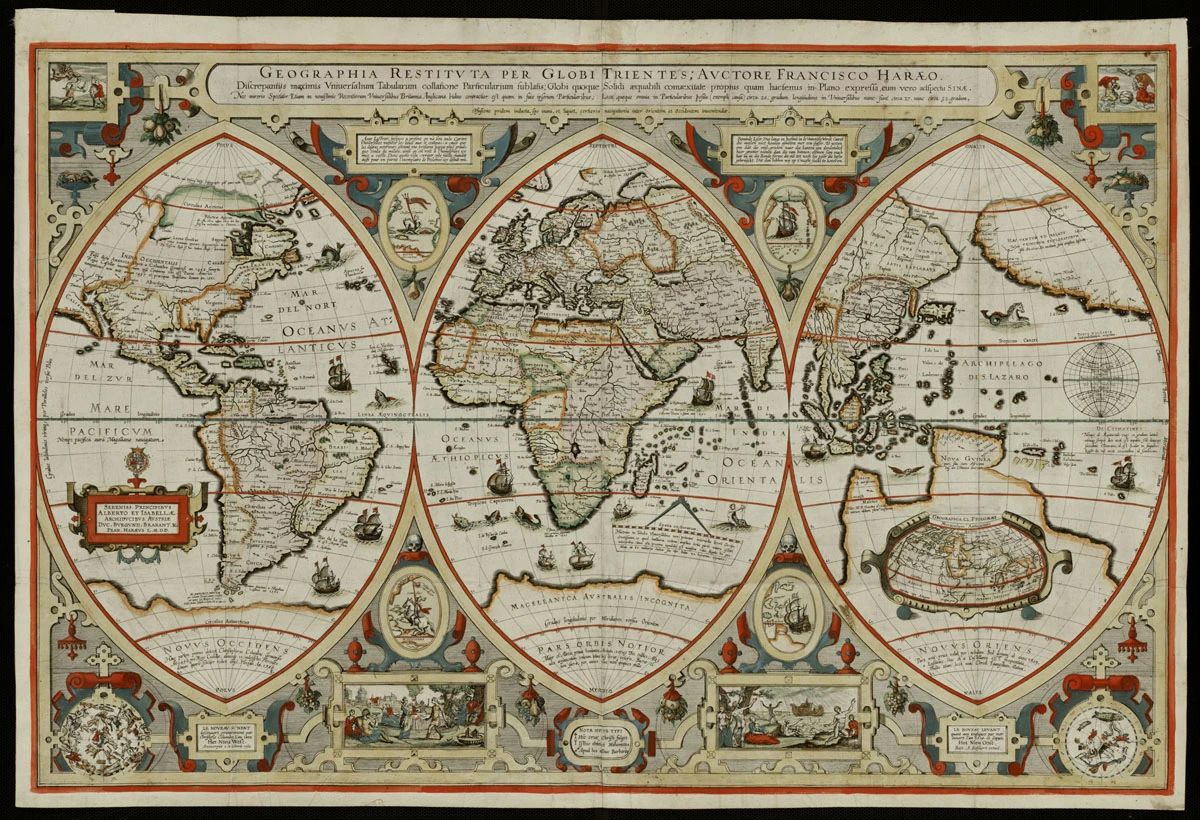
“The End Of Cognitive Empire” (Critical Conversations)
The following is the video and transcript of the first of “Critical Conversations”, a monthly Zoom seminar with advance registration sponsored by The New Polis
The Ultimate And The Penultimate – Bonhoeffer’s Twofold Contextualism In Adjudicating Competing Ethical Claims, Part 2 (W. Travis McMaken)
The following is the second of a two-part series. The first can be found here. Reflecting on the development of Bonhoeffer’s ethical thought, Rasmussen notes

The Ultimate And The Penultimate – Bonhoeffer’s Twofold Contextualism In Adjudicating Competing Ethical Claims, Part 1 (W. Travis McMaken)
The following is the first of a two-part series. The life and work of Dietrich Bonhoeffer quickly captured the imagination of theologians, clergy, and lay

Bushwhacking Derrida – “Perception” – “Context of Context”, “The Hunter And The Hunted” (Gary Bedford)
After Derrida, how can philosophy continue to think critically, and for our task here, ontologically2…? Can a critique of the context of perception via its
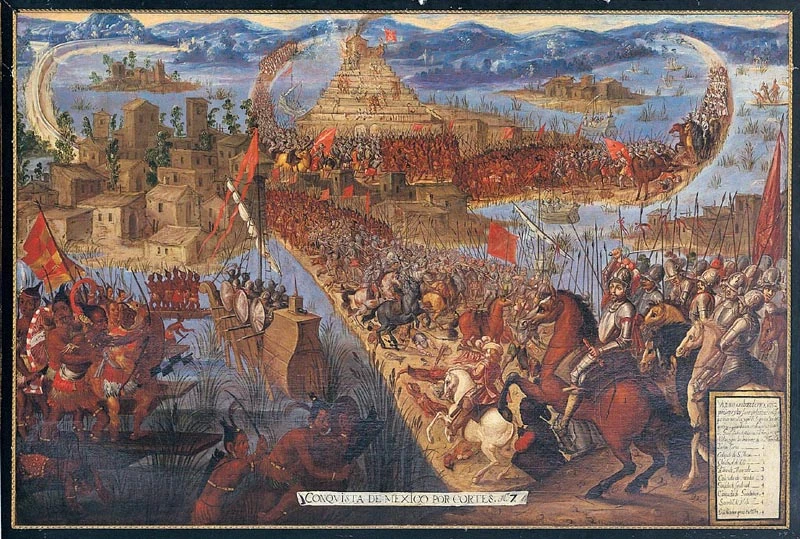
Critical Conversations – “The End Of Cognitive Empire” (Announcement)
“Critical Conversations” is an ongoing initiative of Whitestone Publications. The main sponsor of the current series is The New Polis It highlights key

The Religious Significance Of Miracles – Why Hume’s Critique Is Superfluous, Part 3 (Alberto Urquidez)
Surprisingly few commentators have advanced this basic criticism against Hume’s argument. One glaring exception is the Wittgensteinian philosopher of religion
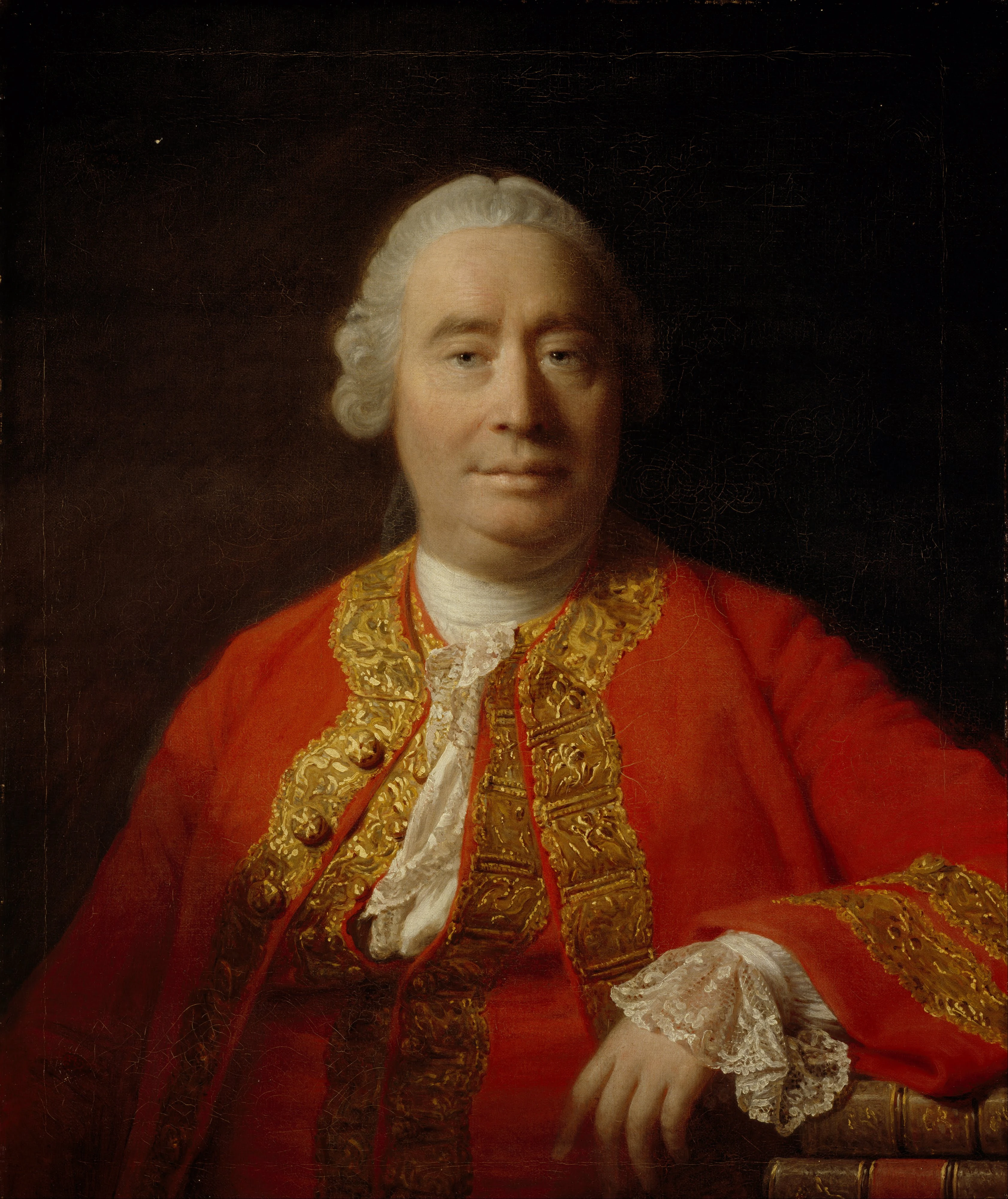
The Religious Significance Of Miracles – Why Hume’s Critique Is Superfluous, Part 2 (Alberto Urquidez)
The following is the second of a three-part series. The first can be found here. The question I shall now consider is this: If not all miracles are religious
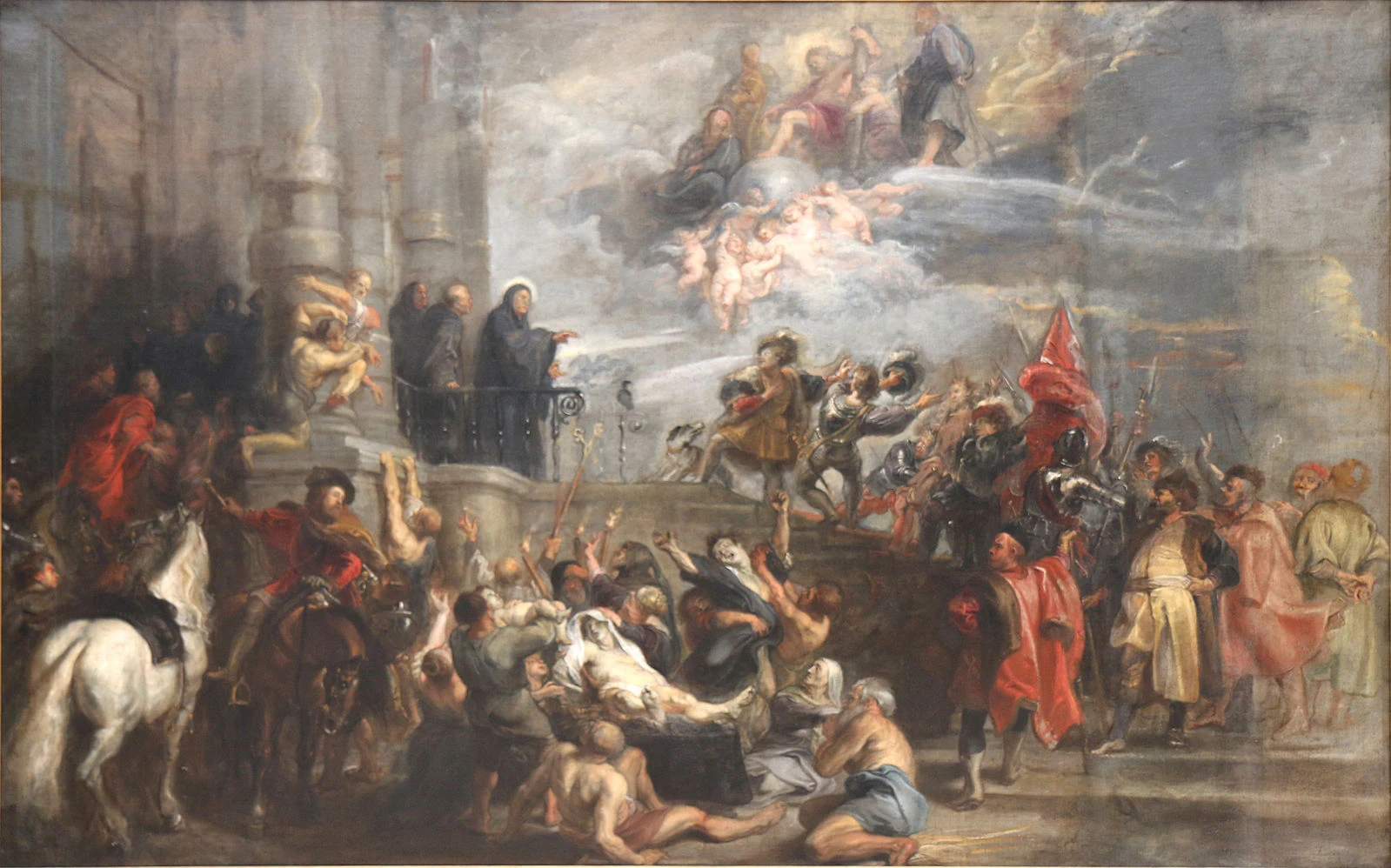
The Religious Significance Of Miracles – Why Hume’s Critique Is Superfluous, Part 1 (Alberto Urquidez)
The argument from miracles seeks to prove that a religious deity (such as God) exists on the premise that only God could have caused a miracle to occur

“Progressive Neoliberalism” – Symbolic Capitalism And The Global Reproduction Of The “Precariat” (Interview With Carl Raschke)
*Raschke, Carl. Neoliberalism and Political Theology: From Kant to Identity Politics. Edinburgh: Edinburgh University Press, 2019 It highlights key arguments

Longing For An Impossible Past – Derrida’s Of Grammatology And The Coronavirus As The Inauguration Of An Age Of Writing, Part 2 (Jared Lacy)
The following is the second of a two-part series. The first can be found here. Furthermore there is an element of nostalgia implicit in this desire It

Longing For An Impossible Past – Derrida’s Of Grammatology And The Coronavirus As The Inauguration Of An Age Of Writing, Part 1 (Jared Lacy)
As we witness the aftermath of the initial responses to the ongoing COVID-19 pandemic — the failures and successes of the various shelter-in-place orders and a

Religious Studies – The Final Colonization Of American Indians, Part 2 (Tink Tinker, wazhazhe udsethe)
The following is the second of a two-part series. The first can be found here. Indian cultures are very complex, and Osage culture is no different in that
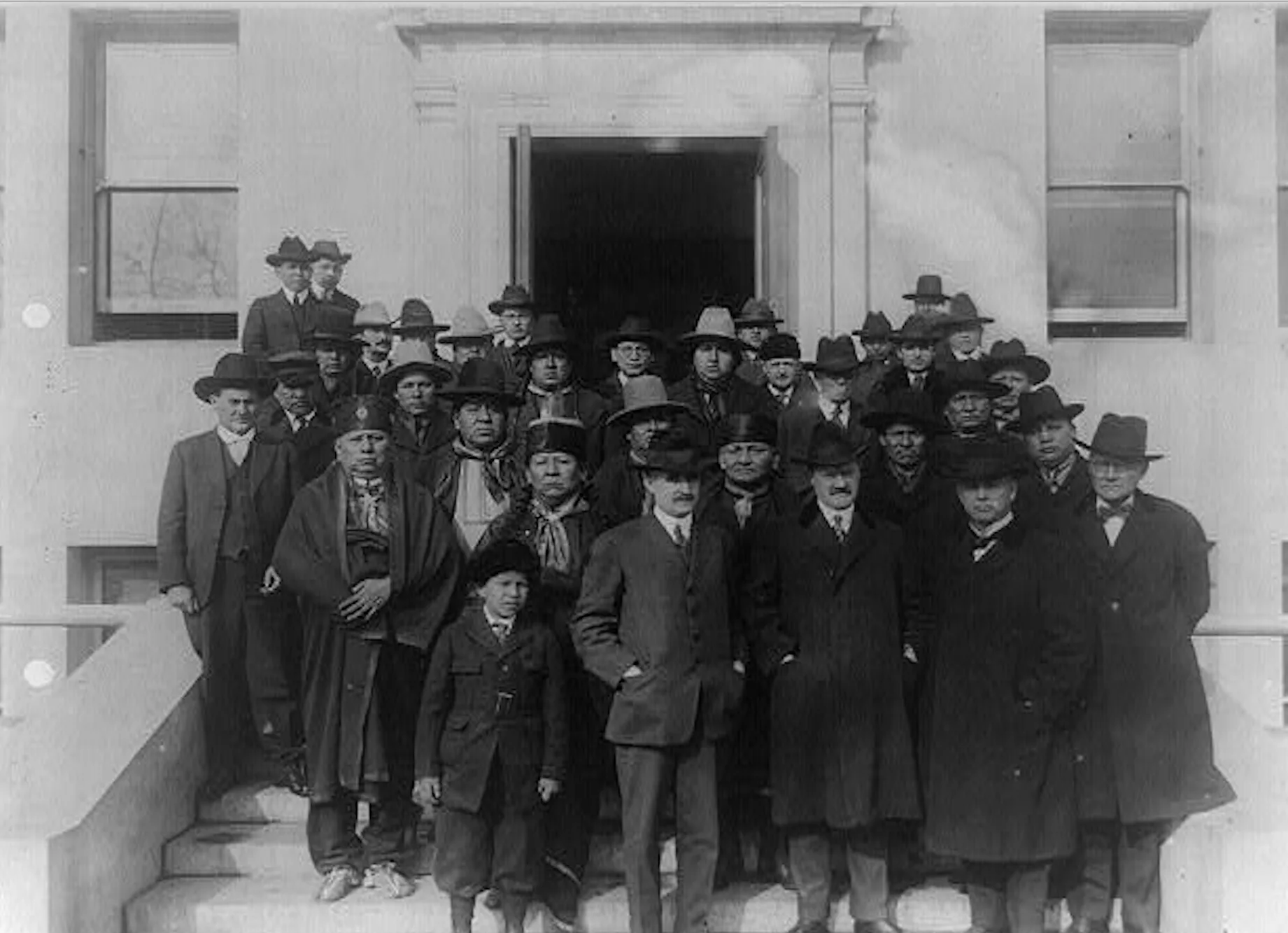
Religious Studies – The Final Colonization Of American Indians, Part 1 (Tink Tinker, wazhazhe udsethe)
The following is the first of a two-part series. The second can be found here. In late 2019 I was invited to deliver a paper at an international symposium

Revolutionary Love – Kierkegaard’s Gift Economy As A Religious Corrective To The Leveling Of The Public Sphere, Part 2 (Andrew Ball)
The following is the second insatallment of a three-part series. The first can be found here. In his late authorship Kierkegaard articulates the social ontology
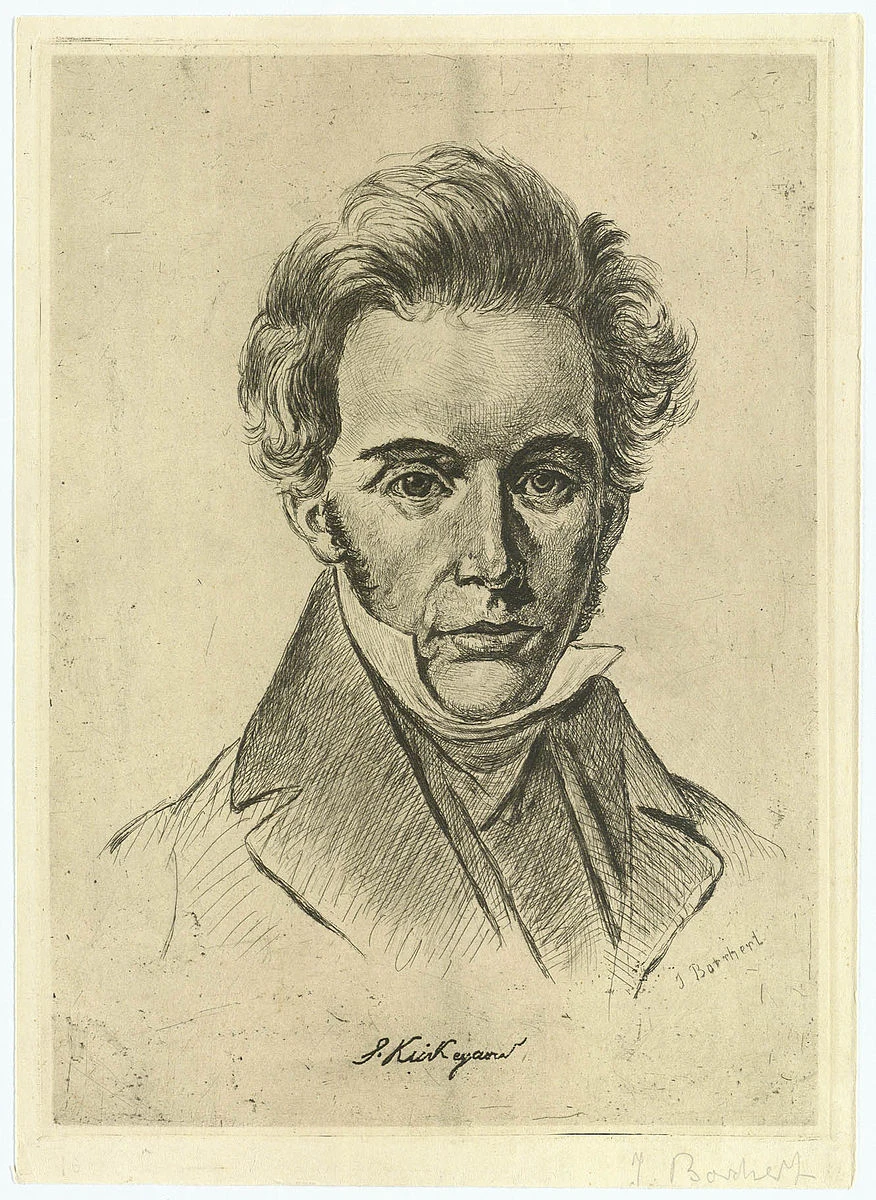
Revolutionary Love – Kierkegaard’s Gift Economy As A Religious Corrective To The Leveling Of The Public Sphere, Part 1 (Andrew Ball)
Though Kierkegaard is typically considered to be the consummate philosopher of the single individual, his critique of secular modernity and institutional

“Naming The Darkness,” Spiritual Violence, And Radical Incompleteness – Resituating A Political Theology, Part 2 (James E. Willis, III)
The following is the second of a two-part series. The first can be found here. A philosophy of finite human time is one way to read Martin Hägglund’s recent

“Naming The Darkness,” Spiritual Violence, And Radical Incompleteness – Resituating A Political Theology, Part 1 (James E. Willis, III)
The Death of God theological movement of the mid-twentieth century serves as a productive starting place to consider spiritual violence in our time, or the
The Curious Whiteheadian Proclivity In Scheler’s Account Of God And Persons, Part 2 (J. Edward Hackett)
The following is the second installment of a two-part series. The first can be found here. Before talking about Scheler’s conception of the person It highlights
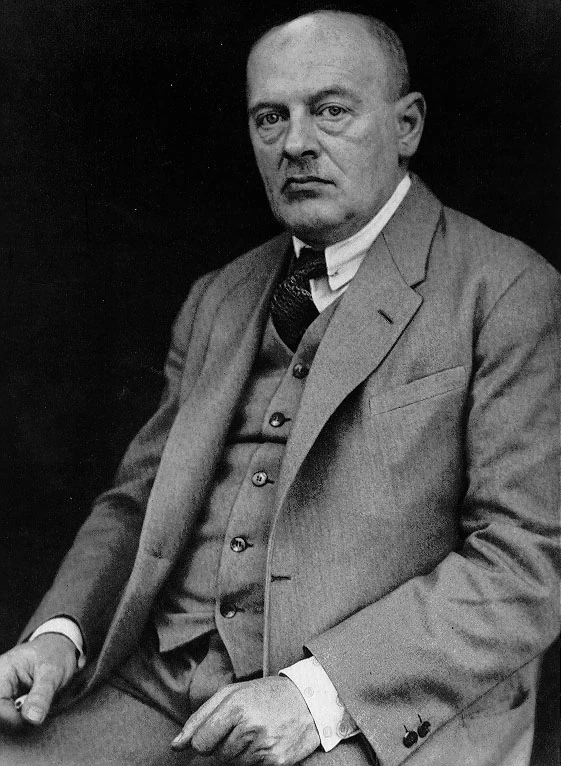
The Curious Whiteheadian Proclivity In Scheler’s Account Of God And Persons, Part 1 (J. Edward Hackett)
Before explicating the underlying structure of Scheler’s panentheism, I wanted to take some time and explain what Scheler’s phenomenological method entails and

“The Reluctant Fundamentalist” And The Inhospitable State – Abrahamic Hospitality And The Limits Of Multiculturalism, Part 2 (Emily McAvan)
The following is the second of a two-part series. The first can be found here. Yet even in the first bloom of his success in New York, it is clear that

“The Reluctant Fundamentalist” And The Inhospitable State – Abrahamic Hospitality And The Limits Of Multiculturalism, Part 1 (Emily McAvan)
> “Share with God’s people who are in need. Practice hospitality.” (Romans 12:13 NIV) > > “he who believes in Allah and the Last Day should show hospitality to

Lacan And Pneumatology (Mark Murphy)
There has been much work on Lacan in describing his relationship to a Christological theology. We see this in work such as Žižek’s The Fragile Absolute and also
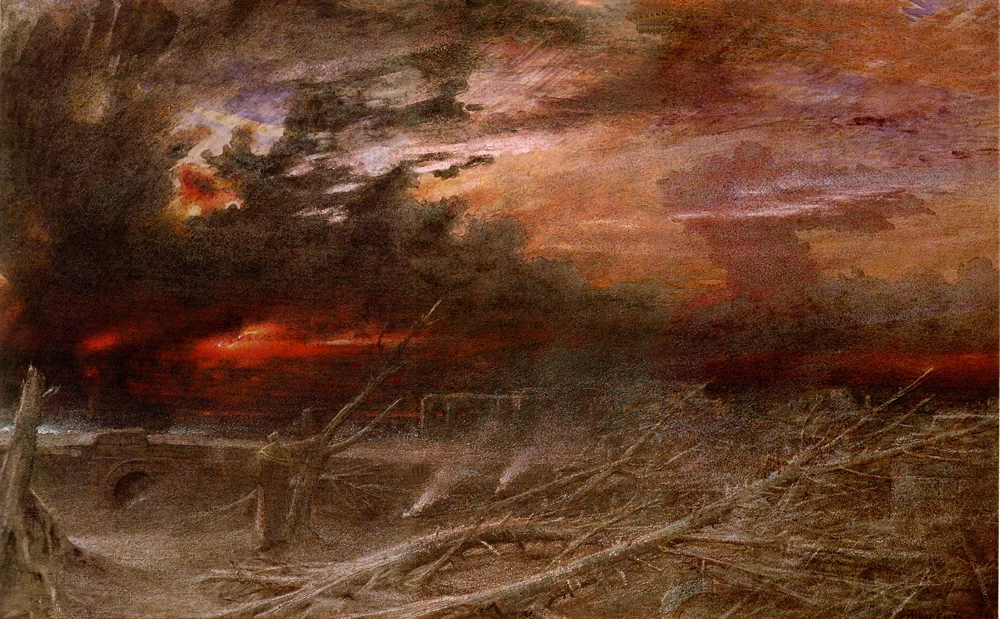
The Hollow Christians Of End Times Fiction, Part 3 (Paul Maltby)
The following is the third of a three-part series. The first can be found here, the second here. End Times fiction must be distinguished from other literary
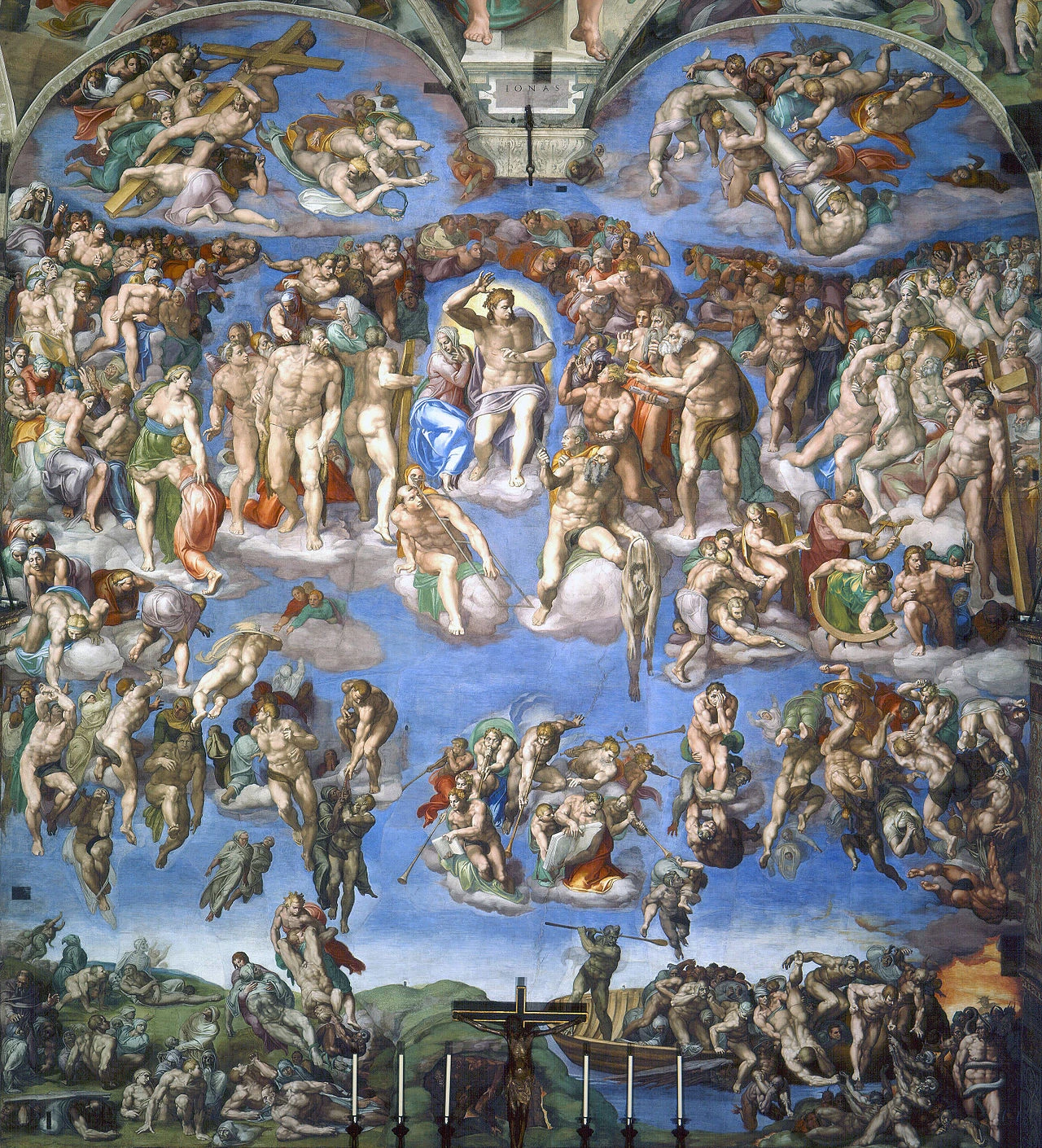
The Hollow Christians Of End Times Fiction, Part 2 (Paul Maltby)
The following is the second of a three-part series. The first can be found here. End Times fiction’s unrelenting focus on human sinfulness and unworthiness, a